

Researchers can study volcanic deposits at archaeological sites to piece together how ancient people responded to catastrophic events.
Articles on Volcanic ash
Displaying all articles
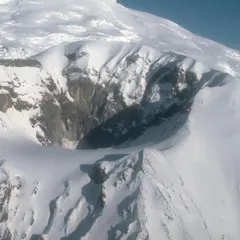
When volcanoes like Alaska’s Mount Spurr erupt, the ash can damage people’s lungs, smother crops and kill animals, and the harm can continue to spread long afterward.

For some people, it’s a choice based on cultural beliefs or economic opportunities provided by the volcano. Other times it’s less a choice than the only option.
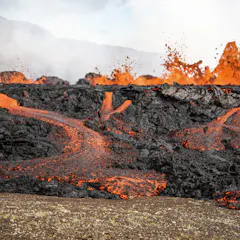
Volcanoes themselves can also impact the climate, due to a “cooling effect” that comes after eruptions.
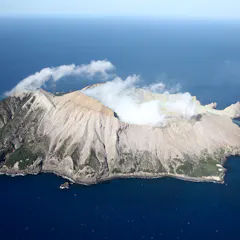
Before the deadly eruption of Whakaari White Island in December 2019, pressure and a tremor built up in a pattern seen in other volcanoes. It could help scientists develop an early-warning system.
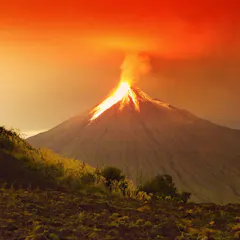
When magma rises towards the surface gas bubbles start to form. Whether or not they can escape as the magma is rising affects how explosive the eruption will be.
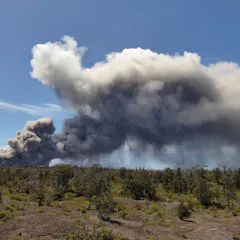
The Kīlauea volcano on Hawai'i’s big island is threatening to produce violent and energetic eruptions not seen since 1924.
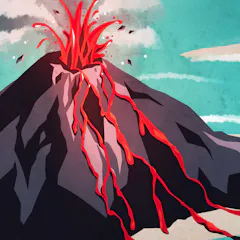
The short answer is that while lava is hot, it’s not hot enough to melt the rocks that make up the side of the volcano.
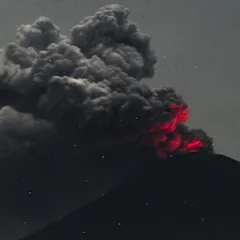
And will the aviation sector implement vital lessons learned from Icelandic disruption in 2010?
Top contributors
-

Associate Professor of Geology, University of Richmond
-
Senior Curator of Geosciences, Museums Victoria Research Institute; Monash University
-
Professor in Warnings and Science Communication, Director of the UCL Warning Research Centre, UCL
-
Professor of Earth Sciences, University of Auckland, Waipapa Taumata Rau
-
Professor in Civil and Environmental Engineering, University of Canterbury
-
Lecturer and Assistant Professor, Department of Civil and Environmental Engineering, University of Canterbury
-
Emeritus professor in geology, Australian National University
-
Ph.D. Candidate in Anthropology, Institute of Human Origins, Arizona State University
-
Associate Professor in Earth Sciences, University of Tasmania