

Too much ultraviolet radiation is dangerous for human health. Excessive exposure can cause skin ageing and sunburn and can induce melanoma, cataracts, ocular melanoma, and immunodeficiency.
Articles on Vitamin D
Displaying 41 - 60 of 85 articles

The food we eat influences our bodies’ immune responses to infection. So focusing on nutrition is one thing we can do to help protect ourselves in the face of the coronavirus threat.

Vitamin D is essential for good health and particularly for fighting infections and keeping the microbes in the human gut healthy. But in winter it can be difficult to get enough.

Vitamin D shows promise in treating COPD in people who are deficient in the vitamin.

You need far less sun than you think you do.

A new study points to a clear link between childhood arthritis and abnormally low levels of vitamin D, especially ion northern countries.

A strong case for telling children to go outside and play.

UV ratings indicate risk of skin damage – but they’re based on pale skin. New wrist bands designed for six different tones of skin provide a more personalised way to track safe UV exposure.
Largest ever clinical study shows no benefit of vitamin D in preventing bone fractures.

Vitamin D could help the 20m children worldwide who suffer from acute, severe malnutrition.

Autism and vitamin D: an in-depth look at what the new study actually found.

There’s some logic in eating and avoiding certain foods if you have endometriosis. And there are some studies that confirm this logic, but then others seem to refute it. And everyone is unique too.

Six scientists on the supplements they take every day and why they take them.

Kids need to play outside for a number of reasons, but there may even be benefit for their eyes. Here’s how sunlight helps prevent nearsightedness, or myopia.

Vitamin D comes in two forms: D2 and D3. Until now, they were believed to be equal. A new study casts doubt on that belief.

Something exciting is going on – no thanks to the supplements industry.
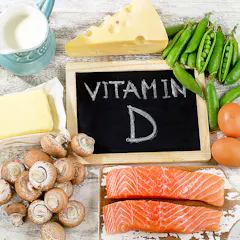
New research has linked vitamin D to increased leg strength including power, velocity and jump height.

Asthmatics given vitamin D had fewer severe attacks that needed treatment with oral medication.

Genes are important in predicting the risk of myopia, but they alone cannot explain the epidemic.

Orkney’s ultra-high incidence has been linked to the weak northern sun. So how come the more northern Shetlands are less afflicted?
Top contributors
-

Professor of Epidemiology, Australian National University
-
Professor of Nutritional and Genetic Epidemiology, Adelaide University
-
Professor of Genetic Epidemiology, King's College London
-
Professor of Nursing, Purdue University
-
Professor of Respiratory Infection and Immunity, Queen Mary University of London
-
Professor and Senior Group Leader, QIMR Berghofer
-
Professor of Biochemistry, University of Aberdeen
-
Postdoctoral Researcher, Dermatology Research Centre, The University of Queensland
-
Adjunct Professor, School of Psychology, Curtin University and College of Health and Medicine, Australian National University
-
Professor; NHMRC Clinical Research Fellow; NICM Health Research Institute Deputy Director, Western Sydney University
-
Head, Department of Medicine, School of Clinical Sciences; Professor of Medicine, Monash University
-
Associate Professor in Biology and Biomedical Science, Aston University
-
Lecturer, The University of Western Australia
-
Professor, ARC Future Fellow & Founding Director, Sir Ian Potter NanoBioSensing Facility, RMIT University
-
Senior Research Fellow, Primary Health Care/Cochrane Airways Australia Coordinator, University of Tasmania