
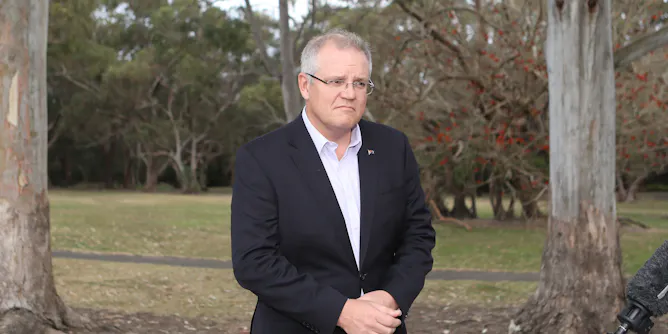
The narrative that Australia has “transitioned from the mining boom successfully” seems a lot like wishful thinking.
Articles on Vital signs
Displaying 41 - 60 of 92 articles

Business conditions aren’t translating to confidence, despite growing profits and jobs.

Why is it that the US – which suffered a major downturn – seems to have a stronger economy than Australia , which did not even go into recession in 2008-09?

The economic models we used in the past haven’t adjusted for the realities of today, like diminished union power and underemployment.

Fully half of Westpac’s loan book consists of interest-only loans, so why are the banks not more concerned about what could happen next?
While the key economic signs remain strong, new data suggests many Australians are entering into mortgages without having fully grasped the financial consequences.
The market welcomed statements from the US Federal Reserve and the RBA, but there isn’t much to be happy about.
Repeatedly boasting about the past won’t distract from the fact Australia’s economy is looking shaky.

The annual meeting of central bankers and economics professors in Wyoming is a chance for some to send a message on the path of monetary policy.

The slew of numbers across various major economies this week continue to suggest a mixed picture.

For a whole lot of workers in Australia, cutting a better pay deal is very hard.

One day doctors could instantly diagnose your illness with a handheld device.

If former US Treasury Secretary Larry Summers is right, then the unmistakable implication is that the RBA should probably cut rates – perhaps twice – later this year.
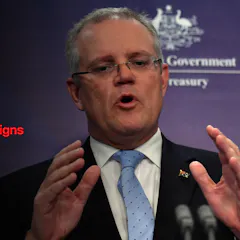
Treasurer Scott Morrison says Australia will “grow into growth”. Global economic conditions suggest otherwise.

House prices in Sydney and Melbourne are cooling, housing approvals are up, and everyone’s wondering if Australian banks have been lending too much.

In the lead-up to the federal budget, the government has made a number of significant and sometimes surprising policy announcements.
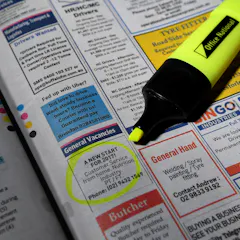
Wages are sluggish, underemployment seems stubbornly high, and there is a continued push to part-time rather than full-time employment.

Negative gearing plus inadequate supply plus low wage growth equals financial distress.

Australia’s central bank is still trying to walk a delicate tightrope.

It is a puzzle as to why businesses are reasonably confident but not willing to invest.
Top contributors
-

Scientia Professor of Economics, UNSW
-
Prize Fellow in Bioelectronics, University of Bath
-
Associate Professor of Medical Sociology, Kennesaw State University
-
Professor Emerita of Psychology, Retired, Chatham University
-
Electronics Engineer, U.S. Naval Research Laboratory
-
Professor of Electrical Engineering, University of Tennessee
-
Performance Science Coordinator, Human Performance and Nutrition Research Institute, Oklahoma State University
-
Data Scientist, Oklahoma State University
-
Principal Scientist, Human Performance and Nutrition Research Institute, Oklahoma State University