

Australian households are taking on much bigger mortgages than they were 15 years ago. And our incomes haven’t kept up, either.
Articles on Reserve Bank
Displaying 1 - 20 of 111 articles

The Reserve Bank has warned that if we don’t see inflation coming down, it will have to raise interest rates again.

If GDP per person falls again in the June quarter, Australia would enter a ‘per capita’ recession – signalling the average Australian is going backwards.

With fuel prices still much higher than before the Middle East war began, the risks of further spikes in inflation and more rate rises this year have not gone away.

From October, there’ll be no nasty surprise charges when you pay by card. But some shoppers may have to pay more than they do today – here’s why.

The RBA will be hoping Australians respond to this rate rise in three ways: spending less, saving more and not asking for big wage rises.
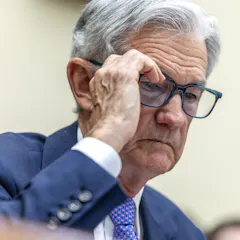
It’s unusual for central bank leaders to issue such a statement. But the reason is simple: what happens in the US matters worldwide.

We’ve been warned of a looming AI ‘jobpocalypse’ for years. But many Australian businesses are still figuring out how to make the technology useful.

See what economists are forecasting for rate cuts – or even rises – in 2026.

Inflation was 1.3% in the September quarter, prompting major banks to revise their expected timeline for the next round of interest rate relief.

The economy is starting to turn the corner, as consumer confidence returns.
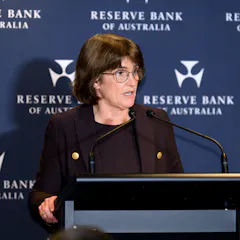
The Reserve Bank’s encouraged by the sharp fall in inflation and worried about the global outlook. Here’s why it looks likely we’ll see one more rate cut this year.

The Reserve Bank faces a delicate balancing act. The timing of the next rate cut is not guaranteed.

Imposing fees and surcharges on credit and debit cards no longer works in a predominantly cashless society.

Borrowing is getting cheaper. But for aspiring homeowners, research suggests this could push house prices even further out of reach.

Refinancing means replacing your existing home loan with a new one – either from your current lender or a new one. Why? To take advantage of better loan terms.

New Zealand’s capital requirements are meant to ensure banks survive a 1-in-200-year event. The next Reserve Bank governor will need to weigh the costs of relaxing the rules.

If you’re saving to buy a house, planning an overseas trip, or a pensioner, the rate cut will be no help.
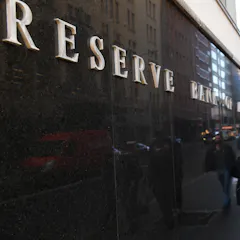
The first cut in interest rates was expected, but the central bank has warned the economic outlook remains uncertain.

The government has finally passed long-delayed reforms to the way the Reserve Bank operates. Here’s what the changes will mean for our central bank.
Top contributors
-

Professorial Fellow, University of Canberra
-
Scientia Professor of Economics, UNSW
-
Visiting Fellow, Crawford School of Public Policy, Australian National University
-
Senior lecturer, Canberra School of Government, University of Canberra
-
Associate Professor, School of Economics, University of Sydney
-
Lecturer in Economics, Monash University
-
Industry Professor, University of Technology Sydney
-
Program Director, Trade and Investment, United States Studies Centre, University of Sydney
-
Vice Chancellor's Fellow at Victoria University and Adjunct Professor of Economics, Victoria University
-
Professor, School of Economics, The University of Queensland
-
Emeritus Professor of Economics (Griffith University) and Teaching Associate (University of Queensland), Griffith University
-
Associate Professor, Research School of Economics, and Research Associate, Centre for Applied Macroeconomic Analysis, Australian National University
-
Professor of Finance, RMIT University
-
Program Director, Housing and Economic Security, Grattan Institute
-
Professor of Economics, The University of Melbourne