

Pandemic does not refer to the lethality of a virus but to its transmissibility and geographical extension.
Articles on Viruses
Displaying 361 - 380 of 564 articles
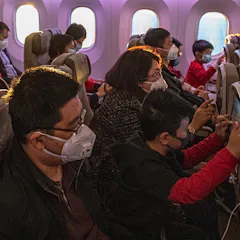
Based on current available data, our model predicts by March 31, the number of deaths worldwide will surpass 4,500 and confirmed COVID-19 cases will reach about 150,000.

Our findings also highlight that hot air hand dryers and cloth roller towels can be a problematic way of drying your hands.

COVID-19 is not the first – nor likely the last – to emerge from the two continents.
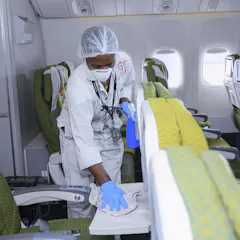
A key component of how the coronavirus could be spreading is the environment.

Viruses are basically parasites and, as such, can wreak havoc – but not always. Viruses are within you right now. Viruses cause the most damage when they jump from a familiar host to a new host.

Leaving your coat at home on a cold winter day doesn’t automatically mean you’re going to get sick. But it could make you more susceptible to germs.

US researchers have revealed the molecular ‘key’ that allows the 2019-nCoV virus to gain access to our cells. And they found it is many times more tenacious than the previous SARS virus.
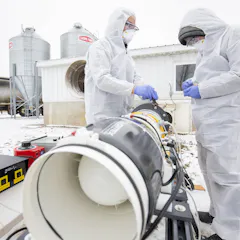
Viruses are small enough to pass through filters, including face masks. Disabling viruses with electrically charged gases could be a better way to curb airborne transmission.

Exotic and sensational depictions of Chinese “wet markets” may prevent a proper and efficient understanding of how viral diseases emerge.
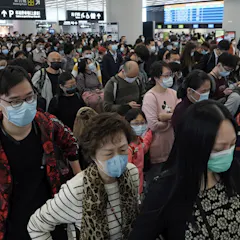
The novel coronavirus spreading outward from Wuhan, China, will get an assist from a subset of infected people who transmit it to many others.
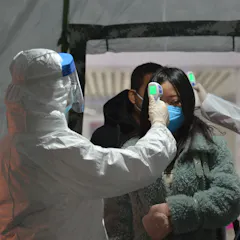
China’s strategy to contain the coronavirus just might work because of the way cities and infrastructure have been developed.
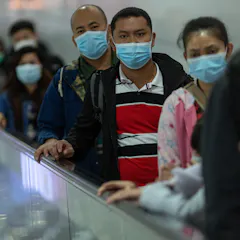
There’s no evidence you can spread the Wuhan coronavirus before showing symptoms, but one study suggests it’s possible for children and young people to be infectious without ever having symptoms.

Four people in Australia have tested positive to the Wuhan coronavirus so far. So how does it spread, who is most at risk, and what is Australia doing to reduce transmission?
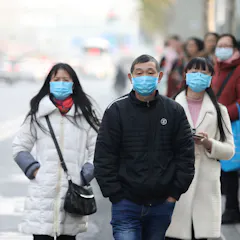
Wildlife trade is a threat to human health.
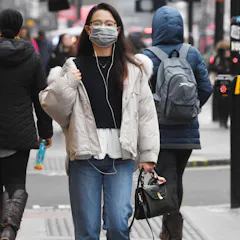
The virus seems to spread like any other respiratory illness – through coughs and sneezes, or contact with contaminated surfaces. Here’s what we know about it so far.
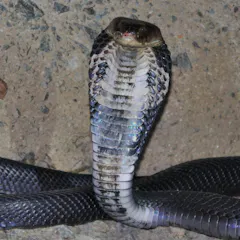
A new coronavirus related to SARS and MERS has now traveled from China to the United States. A genetic analysis reveals that this deadly pathogen may have originated in snakes.
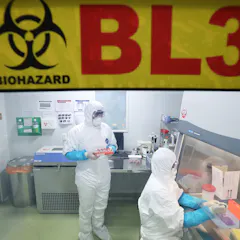
Genetic analysis indicates novel coronavirus from Wuhan has a 89% similarity to the SARS virus, a relative of the SARS bat virus. However this does not mean nCoV comes from bats.
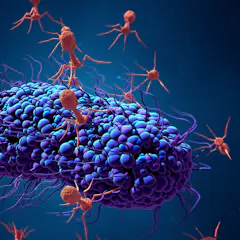
Bacteriophages are viruses that infect bacteria. But could they be key in solving the antibiotic resistance epidemic?

Norovirus, the winter vomiting bug, is highly infectious among people in confined places – like cruise ships. But not everyone is equally vulnerable. Your blood type may determine if you get sick.
Top contributors
-

Lecturer in Virology, Queen's University Belfast
-
Senior Lecturer in Clinical Microbiology, University of Leicester
-
Professor Emerita of Biology, Indiana University
-
Professor of Medicine, University of East Anglia
-
Principal Scientist and Canada Research Chair in Zoonotic Virus and Animal Reservoirs at the Vaccine and Infectious Disease Organization and Co-Lead of One Health at the University of Saskatchewan, University of Saskatchewan
-
Adjunct Associate Professor, Faculty of Medicine
-
Clinical Associate Professor, School of Medical Science & Sydney Infectious Diseases Institute; Principal Hospital Scientist, University of Sydney
-
Regents' Professor & Chair, Medical Laboratory Science, Texas State University
-
Senior Lecturer, Medical Microbiology, University of Westminster
-
Professor of Biological Sciences, University of Maryland, Baltimore County
-
Melbourne Laureate Professor, University of Melbourne; Director, The Peter Doherty Institute for Infection and Immunity
-
Associate Professor of Public Policy, University of Maryland, Baltimore County
-
Professor, Discipline of Paediatrics and Child Health, University of Sydney
-
Associate Professor and Research Leader in Virology and Infectious Disease, Griffith University
-
Director of Microbiology, University of California, San Diego