
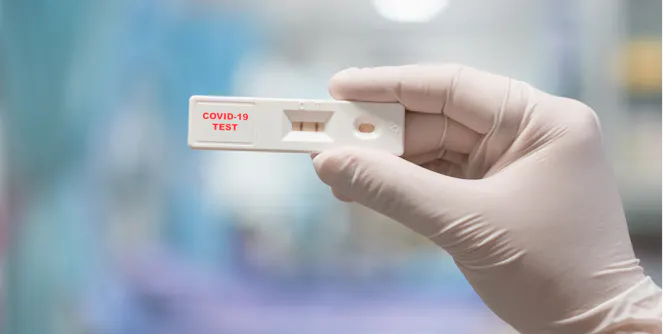
Expanding coronavirus testing is one of the most important tasks public health officials are tackling right now. But questions over accuracy of the two main types of tests have rightly caused concern.
Articles on Virology
Displaying 61 - 80 of 89 articles
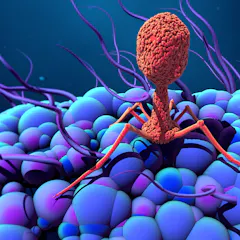
While a few are killers, viruses are actually important to human health and incredibly useful in medicine.
Only a tiny number of viruses are able to make the jump from animals to humans.
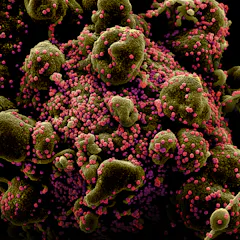
The new coronavirus, SARS-CoV-2, spreads faster than the H1N1 influenza virus and is much deadlier. SARS-CoV-2 is particularly skilled at keeping cells from calling out for help.

A virus testing lab director explains how the U.S. fell behind in the need for broad coronavirus testing.
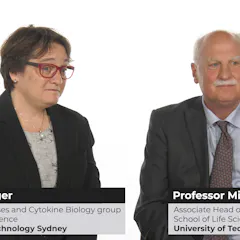
Coronavirus and COVID-19: your questions answered by virus experts
The Conversation90.3 MB (download)
What do you need to know about COVID-19 and coronavirus? We asked our readers for their top questions and sought answers from two of Australia's leading virus and vaccine experts.
Researchers around the world are working together to control the coronavirus outbreak, now known as COVID-19. This is what’s behind the global effort to develop a vaccine.
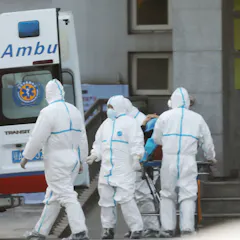
Coronavirus can cause lung damage, pneumonia and multi-organ failure, or sepsis, among other things.
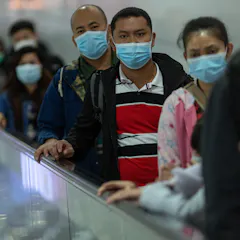
There’s no evidence you can spread the Wuhan coronavirus before showing symptoms, but one study suggests it’s possible for children and young people to be infectious without ever having symptoms.
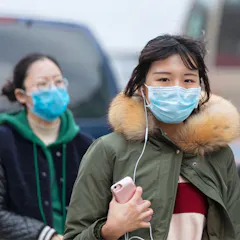
Chinese scientists sequence coronavirus causing pneumonia outbreak in Wuhan. And it’s never been seen before.
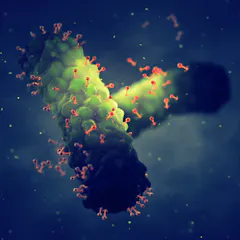
While some viruses make us sick, others can fight against bacteria, or protect us from more harmful viruses.

Human Cytomegalovirus affects billions of people all around world so why haven’t most of us heard of it?

Polio can be circulating through a community long before anyone is paralyzed. Monitoring sewage for the virus lets public health officials short-circuit this ‘silent transmission.’
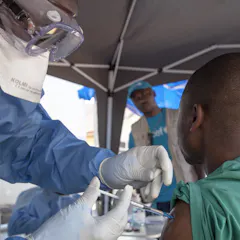
The Democratic Republic of the Congo has been hit with another Ebola outbreak. This may be the test case for how to deal with future outbreaks.

No one then knew a virus caused the 1918 flu pandemic, much less that animals can be a reservoir for human illnesses. Now virus ecology research and surveillance are key for public health efforts.
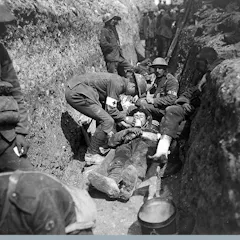
When commemorating our troops, doctors and nurses this Anzac Day, consider also tipping your hat to the discovery of bacteriophages. In the post-antibiotic era, our health might just depend on them.

We can prevent congenital deafness and intellectual disability due to cytomegalovirus by simple hygiene measures. So, why don’t pregnant women know about this?

Public health experts enlist the molecular biology tools that create genetically modified organisms – as well as the GMOs themselves – in the fight against emerging infectious diseases.

Diverse threads of the vast interrogation of nature we call science are coming together in a rich and mutually informative intellectual tapestry.
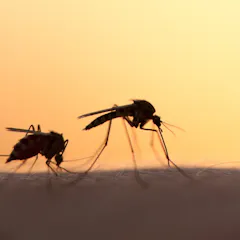
Could this relatively unknown virus become a household name in the Americas in the year to come?
Top contributors
-

Associate Professor and Research Leader in Virology and Infectious Disease, Griffith University
-
Lecturer in Virology, Queen's University Belfast
-
Professor of Biological Sciences, University of Maryland, Baltimore County
-
Lecturer, Biomedical and Life Sciences, Lancaster University
-
Professor, MRC-University of Glasgow Centre for Virus Research, University of Glasgow
-
Associate Professor of Neurology, University of Colorado Anschutz
-
Director and CEO, Burnet Institute
-
Professor of Global Biosecurity, NHMRC L3 Research Fellow, Head, Biosecurity Program, Kirby Institute, UNSW
-
Adjunct Associate Professor, Faculty of Medicine
-
Professor of Virology, University of Reading
-
Scientific Officer in Biomedical Sciences, University of Leeds
-
Professor Microbiology, The University of Texas Medical Branch
-
Assistant Research Scientist in Epidemiology, University of Michigan
-
Professor of Infectious Diseases, King's College London
-
Associate Professor of Complex Systems, Epidemiology and Mathematics, University of Michigan