
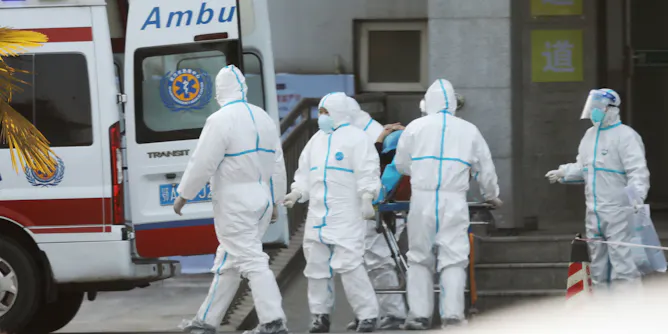
Coronavirus can cause lung damage, pneumonia and multi-organ failure, or sepsis, among other things.
Articles on Viral infections
Displaying 41 - 60 of 67 articles
People panic-buying face masks to protect themselves from coronavirus risk running down stocks should we really need them.
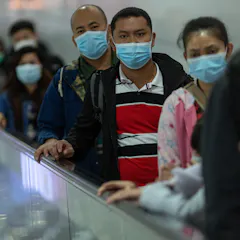
There’s no evidence you can spread the Wuhan coronavirus before showing symptoms, but one study suggests it’s possible for children and young people to be infectious without ever having symptoms.

Four people in Australia have tested positive to the Wuhan coronavirus so far. So how does it spread, who is most at risk, and what is Australia doing to reduce transmission?

Recent discoveries on the effects of live attenuated vaccines challenge the current vaccine paradigm and question vaccination policies.

The flu vaccine is built on the strains expected to circulate in a given year. While the majority of strains circulating this year are matched in the vaccine, there’s one strain we didn’t predict.

The 2018 flu season was mild, while 2017 was a particularly bad year. It’s impossible to predict what the 2019 flu season has in store, but we’ve seen more cases so far this year than usual.

Protection wanes after four or five months, so for most people, it makes sense to get a flu shot in mid to late May or early June so you’re protected when the flu season peaks in August or September.

Australia’s college of obstetricians has warned pregnant women against kissing their toddlers on the mouth or sharing food because of the risk of cytomegalovirus (CMV). But is this advice useful?
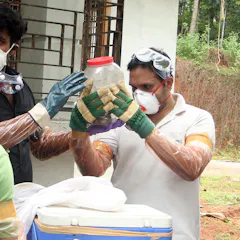
It doesn’t just seem like the world is experiencing more viral infections than before – it’s a reality. And the way humans live today helps viruses thrive.

When day zero arrives in Cape Town, the routine surveillance systems that monitor disease outbreaks will be enhanced to pick up new diseases.

A clinical trial currently underway in France could confirm that that HIV treatment can be safely reduced to just four days a week, while maintaining the same efficacy.

New reports that stopping antibiotics when you feel better is better for you could do more harm than good. But it has reopened the debate on how long antibiotics should be used.
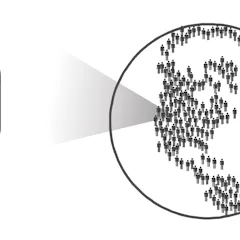
New genetic technologies are letting us look at flu evolution right where it starts: within individual people, while they’re sick.

If you have a ten-month-old baby, what do you need to know? What do you need to ask your GP about the benefits and risks of antibiotics?

Hepatitis A, B, C, D and E are very different viruses. Hepatitis A is genetically closer to the common cold than it is to hepatitis B. Hepatitis C is closer to the virus that causes dengue fever.

Humans have a deep history of viral infections, the evidence for which dates back to ancient DNA from Egyptian mummies.
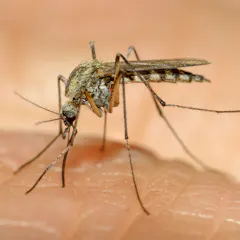
The immune system protects us from the constant onslaught of viruses, bacteria and other types of pathogens we encounter throughout life. But it can sometimes misbehave.

Viruses cause all kinds of infections from relatively mild cases of the flu to deadly outbreaks of Ebola. Clearly, not all viruses are equal and one of these differences is when you can infect others.
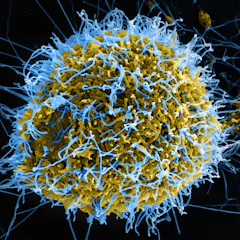
Scientists around the world are trying to develop effective treatments for Ebola infection. But a process of viral mutation, known as “genetic drift”, could potentially compromise their efforts.
Top contributors
-

Biologiste, Immunologiste. Directeur de recherches au FNRS, Université Libre de Bruxelles (ULB)
-
Professor of Global Biosecurity, NHMRC L3 Research Fellow, Head, Biosecurity Program, Kirby Institute, UNSW
-
Associate Professor of Neurology, University of Colorado Anschutz
-
Senior Research Fellow, School of Medicine, The University of Western Australia
-
Professor, College of Medicine and Public Health, Flinders University
-
Laureate Professor Emeritus, The Peter Doherty Institute for Infection and Immunity
-
Associate Member, Fred Hutchinson Cancer Research Center and Affiliate Associate Professor of Genome Sciences and Microbiology, University of Washington
-
Professor, Biomedicine Discovery Institute, Monash University
-
Dean Students, College of Health, Adelaide University
-
Professor in Microbiology and Molecular Biology, UNSW
-
Public Health Registrar in the Division of Public Health Medicine, University of Cape Town
-
Clinical Senior Lecturer, Clinical Medicine, Trinity College Dublin
-
Distinguished Professor, Division of Family Medicine and Primary Care, Stellenbosch University
-
Chief Research Scientist, Virology Project Leader, CSIRO
-
Professor, National Centre for Epidemiology and Population Health, Australian National University