
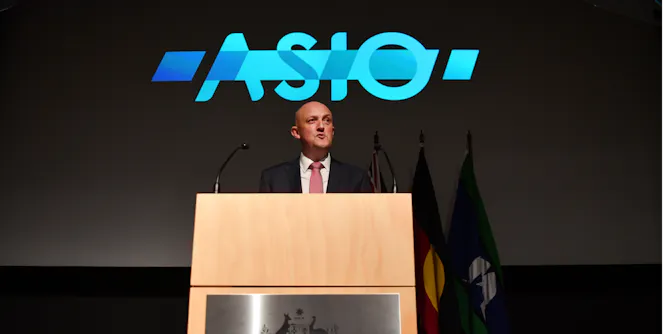
Our intelligence agencies need to speak clearly, without fear or favour, but also without inflaming prejudice.
Articles on Violent extremism
Displaying 21 - 38 of 38 articles
New members are joining and some are leaving – as right-wing groups reorganize, scholars of the movement foresee increased polarization, with a risk of more violence.

Death threats against Republicans who oppose Trump are not just the result of angry people. They are, instead, an attempt to intimidate people into sticking with his movement.
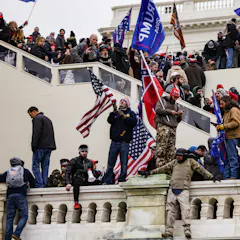
Ostensibly protesting an election they may have thought was stolen, their actions fed a larger set of goals that American militants are seizing upon to take more extreme action.
Left-wing terrorism had its heyday in the 1960s-80s, and though some threats remain today, groups like Antifa are known more for low-level violence, not significant terrorist actions.
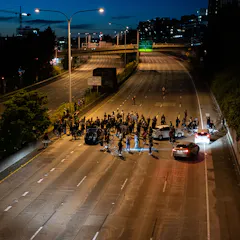
Legally designating domestic extremist groups as terrorist organizations – as some in the US advocate now – will have limited benefits, if any at all.

Incels, or ‘involuntary celibate’ men, are increasingly radicalising online and committing acts of violence against women. New research explores ways the government can combat it.
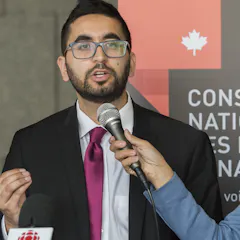
Québec schools must consider Bill 21’s potential impact on students. Bullying researchers have found links between publicly permitted behaviour and personal expression.
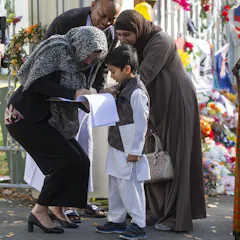
New Zealand’s response to the Christchurch mosque attacks is seen as a new way of reacting to violent extremism. The challenge now is how to translate domestic cohesion into foreign policy.
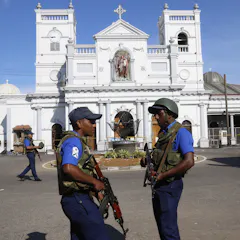
By inciting religious hatred, the recent attacks in Sri Lanka appear to have more in common with Al-Qaeda than past ethno-religious violence, which has sought specific political change.
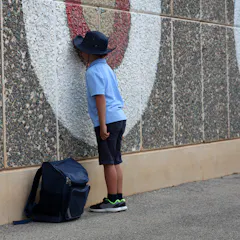
We don’t know the exact path towards radicalisation, so giving teachers signs to look for is dangerous.
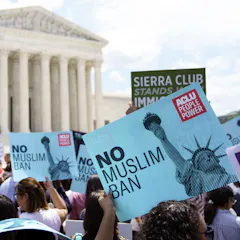
Terrorists are wealthy. They’re poor. They’re Christian. They’re atheists. They come from all over. That’s why US counterterrorism efforts must be more nuanced than just barring Muslims.

Efforts to kick extremists off the internet can’t succeed and might even have the unintended side effect of bolstering support for radical groups.
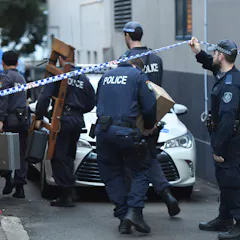
The government seems hell-bent on pre-crime arrest, prosecution, and punishment for terror offenders – while falling short in providing the necessary long-term support.

Social relationships and political engagement may prevent radicalisation.
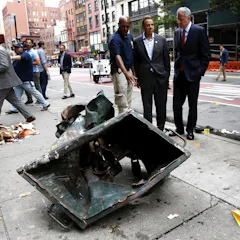
A year of violence continues with bombs in NYC and a stabbing in Minnesota, leaving many asking, why? A psychologist explains what research has revealed about the minds of violent extremists.

After years of promises, the government still has not detailed how a bill to tackle extremism would work.

The UK’s experience with its Prevent strategy over nearly a decade urges caution in how Australia should approach its own efforts to counter the threat of radicalisation.
Top contributors
-

Director of Security Studies and Professor of Criminology and Justice Studies, UMass Lowell
-
Director of Research, Academic Development and Innovation at the Center on Terrorism, Extremism and Counterterrorism, Middlebury College
-
Associate Professor of Criminology and Criminal Justice, University of Alabama
-
Visiting Fellow, Department of Political and Social Change, The Philippines Institute, Australian National University
-
Associate Professor of Criminal Justice and Criminology, University of North Carolina – Charlotte
-
Associate Professor, Terrorism and Security Studies, Charles Sturt University
-
Assistant Professor of Political Science, University of Nebraska Omaha
-
Professor of Criminal Justice, Michigan State University
-
Professor of Criminal Justice, Michigan State University
-
Professor of Law, University of Waikato
-
Professor of Organizational Psychology, University of Nebraska Omaha
-
Lecturer, Political Science and International Studies, University of Birmingham
-
Professor of Criminal Justice, City University of New York
-
Assistant Professor of Political Science, University of New Hampshire
-
Associate Professor in North American History, University of Birmingham