
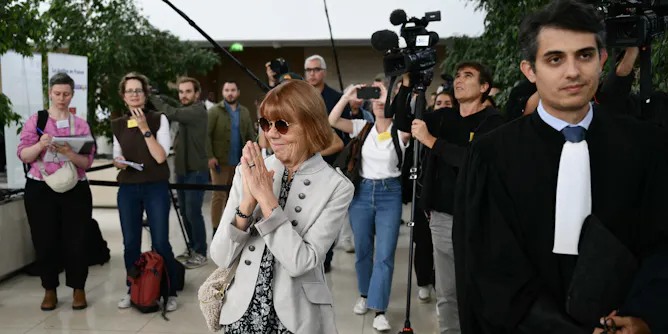
The high-profile rape case of Gisele Pelicot in France speaks to a possible shift following the rise of the #MeToo movement
Articles on Victim blaming
Displaying 1 - 20 of 22 articles

Women are often told to watch their drinks while partying. But even well-intentioned advice can perpetuate the idea they’re to blame if they are assaulted.

Documenting Spain’s #metoo moment, the film articulates women’s fury at the deeply entrenched sexism and misogyny that permeates Spanish society and culture.

Australian jurisdictions are making strides to ensure consent means an active ‘yes’ rather than the absence of a ‘no’. But without better knowledge of these laws, they risk being just words on paper.

A new study examines why women who report sexual misconduct often experience retaliation while men who are alleged perpetrators of sexual assault escape repercussions.

In letters to the judge, Ashton Kutcher and Mila Kunis asked for Masterson to be shown leniency based on his supposedly good character.
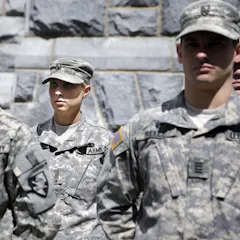
Rape myths dominate international media coverage of internal military sexual violence.

Study finds that the language used in news reports is often part of the problem, not the solution.
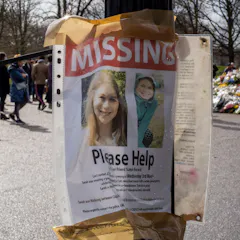
The government’s violence against women strategy fails to adequately address the reasons for women’s lack of safety.

Many people do not realise victims do not have access to their own lawyers to protect their privacy and individual interests at trial.

Women who experience mental anguish after violence are not ‘irrational’.

People appear to victim-blame celebrities for the abuse they suffer on Twitter.

In the wake of high-profile allegations of sexual assault, it is important people know there are informal avenues for survivors to report their stories.

Same old rape myths, same old victim blaming.

The Rape-aXe ‘female condom’, anti-rape underwear and an anti-groping stamp are all now on the market. But they put the onus on women to protect themselves, rather than on men not to attack them.

Australians are more aware of domestic violence and sexual assault than before. But a worrying proportion blame victims for abuse, think women are lying, and don’t believe consent is always necessary.

Under victim-blaming attitudes, the survivors of sexual violence suffer from double victimisation: being assaulted and being blamed.
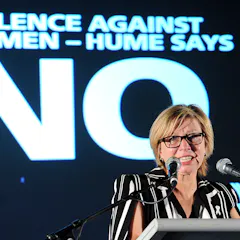
In order to change public opinion, campaigns need to move beyond awareness raising and start addressing the perpetrators and causes of domestic violence.

Men like Harvey Weinstein have been able to abuse with relative impunity, despite many in the entertainment industry appearing to know or have suspicion of their behaviour.

As long as the media gives disproportionate prominence to powerful voices, they’ll be able to shape the way unflattering coverage unfolds.
Top contributors
-

Senior Lecturer in Department of Communications, Universitas Islam Indonesia (UII) Yogyakarta
-
PhD candidate, The University of Melbourne
-
Associate Dean (Learning & Teaching) Faculty of Creative Industries, Education and Social Justice, Queensland University of Technology
-
Professor of Global & Language Studies, RMIT University
-
Professor of Family and Sexual Violence, RMIT University
-
Associate Professor in Criminology, The University of Melbourne
-
Professor in Criminology and Justice Studies, RMIT University
-
Lecturer, La Trobe University
-
Senior Lecturer Philosophy and Bio-Ethics, University of Notre Dame Australia
-
Professor, School of Justice, Queensland University of Technology
-
Associate Professor of Social Work, The University of Melbourne
-
Senior Lecturer in Criminology, University of Wollongong
-
Professor of Social Work; Leneen Forde Chair in Child & Family Research, Griffith University
-
Lecturer of criminology, University of Southern Queensland
-
Lecturer in Journalism, City St George's, University of London