
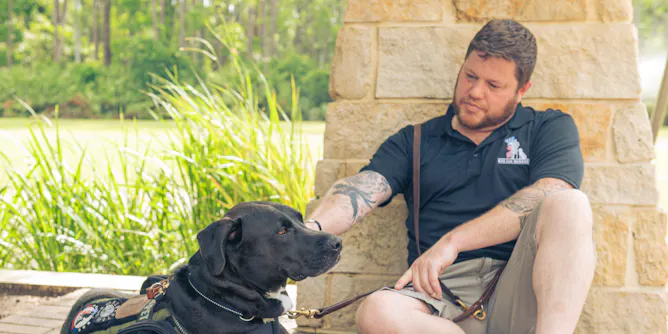
These dogs are trained to try to interrupt panic attacks and provide deep calming pressure to the people they’re matched with.
Articles on Veterans
Displaying 21 - 40 of 85 articles
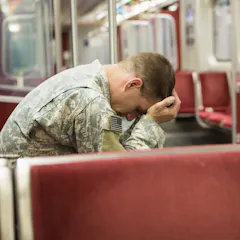
Suicide among military service members in the US is a growing problem. A lack of a sense of belonging and feeling like a burden are key risk factors.
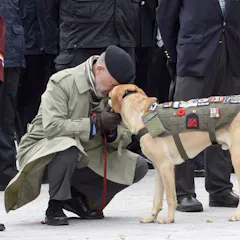
Organizations have very different approaches to training service dogs and matching them with veterans. Neither the industry nor Canada’s provinces and territories have come to a consensus on standards.

One in seven Canadian veterans is living with PTSD. Developing a psychedelics research program for veterans should be a public health priority.

An expert in American history explains the white power movement, its impact on veterans and women and how the Vietnam War was the impetus for extremist groups to gain new members.

Keeping weapons locked away and unloaded reduces the risk of death by suicide for gun owners and their children.
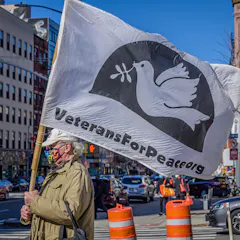
Veterans of past wars have long been at the forefront of peace advocacy in the United States.
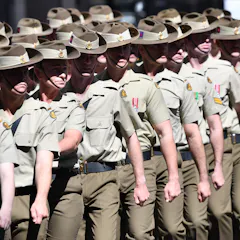
The evidence presented and initial findings show how important the royal commission is.
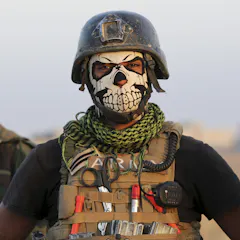
Soldier atrocities are shaped by our society, culture, and political fabric. Preventing them will require a comprehensive rethinking of policies, attitudes, and approaches to war.
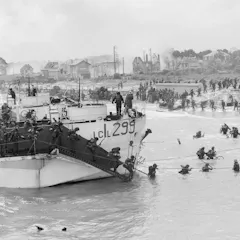
Remembrance for post-veteran generations involves learning about history, trying to comprehend the what, how and why and its relevance today.
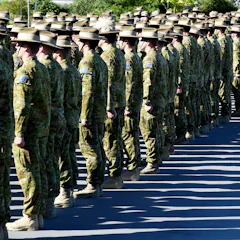
As the royal commission investigates the risk factors around veterans’ mental health it needs to look at contact with the criminal justice system.

Nearly one in five defendants in the prosecutions undertaken in response to the January 6 US Capitol attack had served in the military.
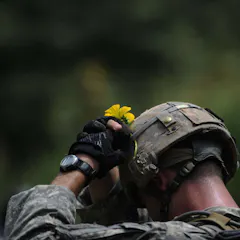
The act of killing in combat is associated with heightened risks of PTSD and suicide. A scholar interviewed 30 veterans about their common experiences.
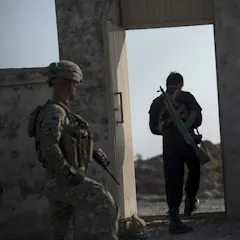
Following the completion of the US troop withdrawal from Afghanistan, Neta Crawford, the co-director of the Costs of War Project, reflects on 7,268 days of American involvement in the conflict.
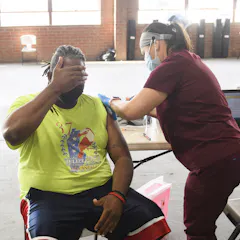
As the coronavirus pandemic played out, veterans who were already lacking adequate benefits and resources found themselves in deeper trouble.
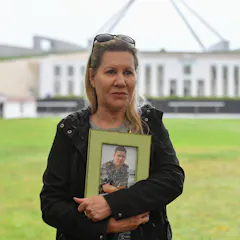
There have been numerous inquiries into veteran suicide, mental health and combat trauma over the past 20 years — with little positive outcome.
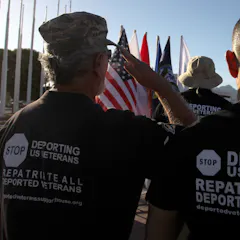
At least 92 US military veterans were deported between 2013 and 2018. These deportees are not currently included in Biden’s effort to reunite families as part of his new immigration reform plan.
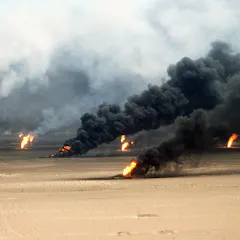
Also known as Gulf War Syndrome, symptoms of the condition include chronic pain, fatigue, and memory problems.
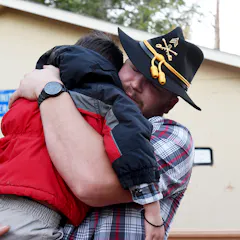
The rate of death by suicide is rising among veterans. The most common stressor is a serious relationship difficulty.
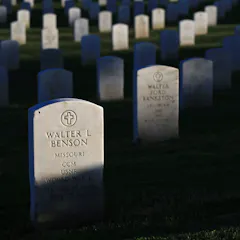
With the challenges posed by the coronavirus pandemic, veterans who were already lacking adequate benefits and resources are now in deeper trouble.
Top contributors
-

Associate Professor of Legal Studies and Political Science, UMass Amherst
-
Professor, Director, Open Door: Improving the Wellbeing of Veterans, Public Safety Personnel and their Families, Flinders University
-
Professor of Sociology and Gender Studies, USC Dornsife College of Letters, Arts and Sciences
-
Montague Burton Chair in International Relations, University of Oxford
-
Associate Professor in Sociology, UNSW
-
Military analyst, Griffith University
-
Research Fellow and Historian of War and Conflict, Deakin University
-
Associate Professor of English, Virginia Tech
-
George Dock Professor of Medicine, University of Michigan
-
Professor of Social Policy, University of Salford
-
Assistant Professor, Rutgers University - Newark
-
Research Associate, The University of Texas at Austin
-
Albert E. Kent Professor of Psychiatry, Yale University
-
Associate Dean for Research and Professor of Biomechanics, Kennesaw State University
-
Professor of Accounting, The Ohio State University