
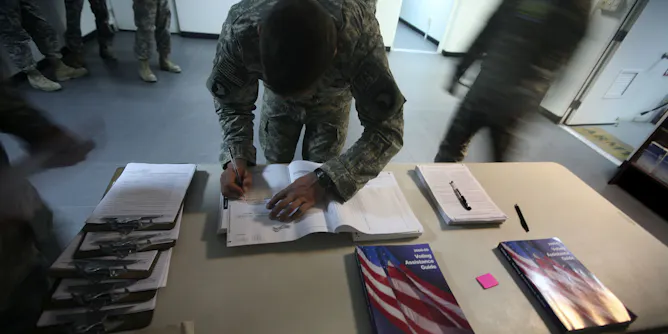
Mail-in voting was created during the Civil War so soldiers could vote. That legacy helped shape how the Supreme Court ruled more than 160 years later.
Articles on US veterans
Displaying all articles
From the Salem witch trials to McCarthyism and Charlie Kirk’s killing, an exaggerated fear of a particular group has resulted in repression from liberals and conservatives.
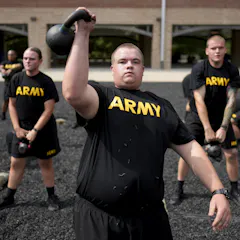
Generations already suffering a shattered sense of safety from US gun violence do not see the military as a viable option, a terrorism scholar argues.

Diversity, equity and inclusion programs are designed to help first-generation students, people with disabilities and veterans – including white people.
Statistics show that veterans die by suicide from firearms – a particularly lethal means of suicide – at a higher rate than in the general population.

In 1935, a hurricane devastated the Florida Keys, killing over 400 people, many of them World War I veterans. Ernest Hemingway joined the relief efforts – and became enraged at government inaction.
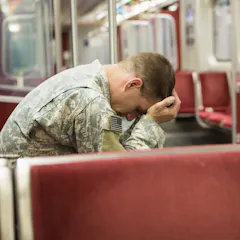
Suicide among military service members in the US is a growing problem. A lack of a sense of belonging and feeling like a burden are key risk factors.
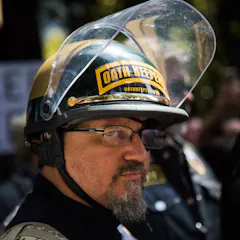
The founder of a violent anti-government group has been sent to prison for seditious conspiracy. Experts explain what that means.
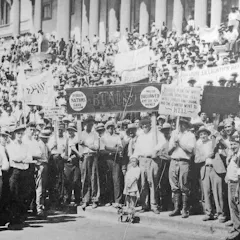
Thousands of volunteers joined the military during World War I. But when the war ended and the Great Depression began, the volunteers wanted a bonus to be paid in 1932, not in 1945 as planned.
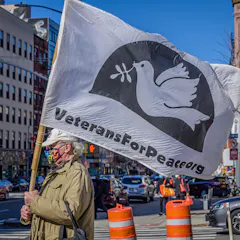
Veterans of past wars have long been at the forefront of peace advocacy in the United States.

President Joe Biden signed into law the most expansive health care package for military veterans in recent history – despite initial GOP opposition.

For some military members, a hillside in California embodies the sacrifices of serving.
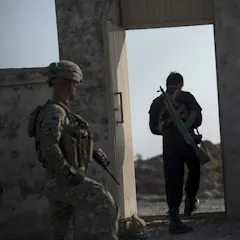
Following the completion of the US troop withdrawal from Afghanistan, Neta Crawford, the co-director of the Costs of War Project, reflects on 7,268 days of American involvement in the conflict.
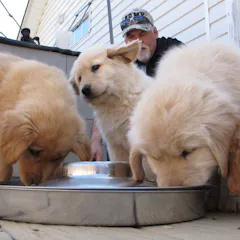
Traditional treatments for PTSD, such as talk therapy and medication, do work for some veterans. But service dogs can make a difference when those methods fall short.
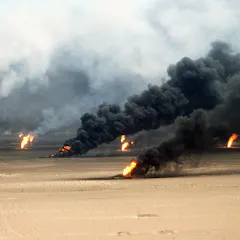
Also known as Gulf War Syndrome, symptoms of the condition include chronic pain, fatigue, and memory problems.
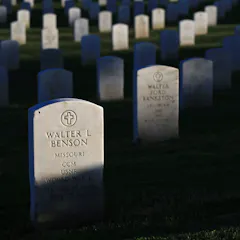
With the challenges posed by the coronavirus pandemic, veterans who were already lacking adequate benefits and resources are now in deeper trouble.
Top contributors
-

Associate Professor of Legal Studies and Political Science, UMass Amherst
-
Assistant Professor, Purdue University
-
Professor of Sociology and Gender Studies, USC Dornsife College of Letters, Arts and Sciences
-
Associate Dean for Research, Professor of Human-Animal Interaction, University of Arizona
-
Visiting Research Scholar at the Orfalea Center for Global and International Studies, University of California, Santa Barbara
-
Professor of Internal Medicine, UT Southwestern Medical Center
-
Research Fellow in Social Psychology, Georgia State University
-
Research Professor of Isotope Geology, University of Portsmouth
-
Associate Professor of Psychological Sciences, Auburn University
-
Associate Professor of Criminal Justice and Criminology, University of North Carolina – Charlotte
-
Assistant Professor of U.S. Public History, University of South Florida
-
Associate Professor of Instruction, The University of Texas at Austin
-
Director of Research, Academic Development and Innovation at the Center on Terrorism, Extremism and Counterterrorism, Middlebury College
-
Derek H. Alderman is a Friend of The Conversation.
Chancellor's Professor of Geography, University of Tennessee
-
Associate Professor of Criminology and Criminal Justice, University of Alabama