

New RSV tools can prevent infant hospitalizations, but access varies by province. Who is responsible for ensuring vaccine equity across Canada?
Articles on Vaccine equity
Displaying all articles

Armed conflicts affect the entire spectrum of healthcare, from prevention to treatment.

The 194 member states of the WHO are negotiating a pandemic accord, only the second health accord after the 2003 convention against tobacco.
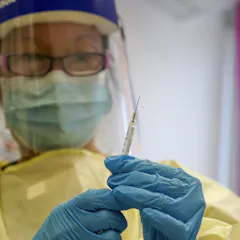
The hoarding of the COVID-19 vaccine by wealthy nations led to global calls for vaccine equity. Unless wealthy nations commit to change, the monkeypox vaccine rollout could meet a similar fate.

Most cases in the current global outbreak are occurring among men who have sex with men. So how can this group and others who are at risk protect themselves?

Waiving patent rights on COVID-19 vaccines and drugs is still crucial to ensure access globally, but the waiver on the table at the June World Trade Organization meeting doesn’t do the job.

A highlight of this pandemic is how quickly effective vaccines were developed and rolled out.
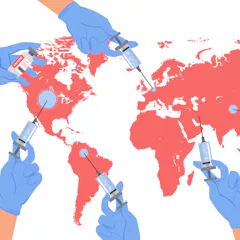
CORBEVAX is anticipated to significantly expand vaccine access to people in low- and middle-income countries.
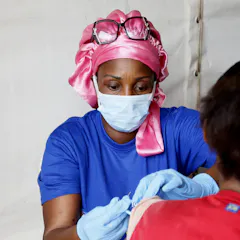
The new variant threatens to infect billions worldwide in early 2022.
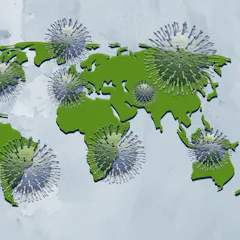
In places with low vaccination rates, COVID-19 has the chance to linger, and variants develop and travel. Without global vaccine equity, this entirely predictable pattern will repeat itself.

With low COVID vaccination coverage in southern Africa, some have suggested global vaccine inequities may be responsible for the emergence of Omicron.
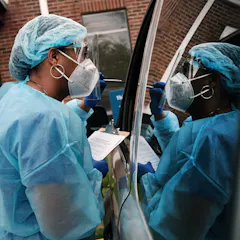
Achieving widespread immunity to COVID-19 through vaccination requires as many people as possible to get their shots, including those who object or haven’t bothered.

Are vaxxies just the latest trend in virtue signalling? And even if they are, does that mean they’re not worth it?

Hotspot neighbourhoods with greater COVID-19 risk exposure continued to have higher infection rates even when they achieved vaccination levels equal to lower-risk neighbourhoods.
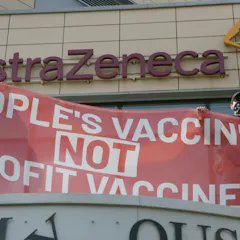
Much remains to be resolved before the waiver is translated into increased vaccine supply.
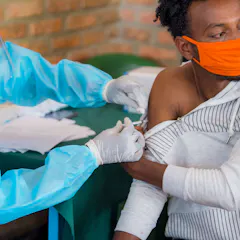
Due to early logistical planning, Rwanda had the capacity to store 5 million doses before the vaccines arrived.
Top contributors
-

Professor of Marketing and Consumer Behaviour, Queensland University of Technology
-
Associate Professor of Biology, Rochester Institute of Technology
-
Canada Research Chair in Aging & Immunity, McMaster University
-
Associate Vice Provost for Health Sciences and Associate Professor, Mississippi State University
-
Professor of Public Health, La Trobe University
-
Professor and Distinguished Research Chair, Globalization and Health Equity, L’Université d’Ottawa/University of Ottawa
-
Associate Dean for Public Health Integration, Michigan State University
-
Senior Lecturer Politics, University of Manchester
-
Professor, English and Cultural Studies; Director, Centre for Global Peace, Justice and Health, McMaster University
-
Professor of International Politics, Queen Mary University of London
-
Assistant Professor of Pharmacy Practice, Purdue University
-
Emeritus Professor, University of Tasmania
-
Academic and treaty negotiator, University of the Witwatersrand
-
Associate Dean of Research and Professor of Politics and International Relations, King's University College, Western University
-
Laboratory Head, The Peter Doherty Institute for Infection and Immunity