

It’s soon going to be easier than ever to get your young children vaccinated.
Articles on Vaccination rates
Displaying 1 - 20 of 52 articles
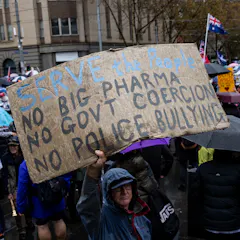
The effects of COVID vaccine mandates live on today. And a distrust of government is one of its biggest casualties.

In crowded events like the FIFA World Cup, a single imported measles case can spread rapidly due to visitors from areas with varying vaccination coverage.
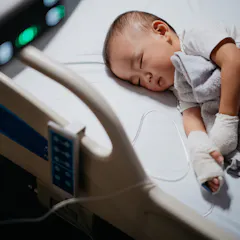
As rotavirus spreads this season, doctors worry that falling vaccination rates may endanger kids.
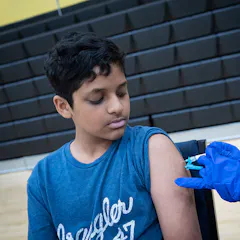
As childhood vaccination rates in Allegheny County decline, The Conversation asked experts why parents are opting out and how to protect vaccination policy.
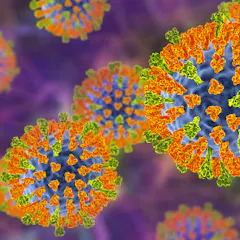
Only about 82% of two-year-olds are fully immunised against measles, with two doses of the vaccine. This leaves at least one in five unprotected.
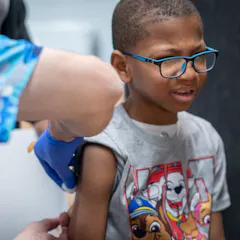
Most states require childhood vaccinations for measles, mumps, tetanus, rubella, chickenpox and whooping cough.

Removing vaccine mandates in Florida will worsen health disparities among populations that already have lower vaccination rates.

Measles is a viral infection, so antibiotics don’t treat it directly. But it weakens the immune system, leading to bacterial infections like pneumonia or ear infections, which do require antibiotics.

After fleeing persecution, many refugees struggle to get care for serious physical and mental health problems in Australia.
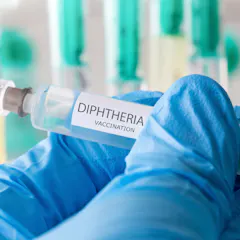
Getting vaccinated is the best way to protect against diphtheria.
The pandemic caused untold suffering around the world. It also created a new type of community solidarity rarely seen before. As we enter the post-pandemic era we must maintain that solidarity.
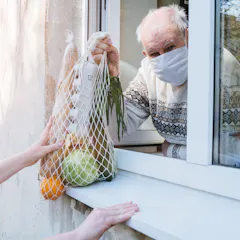
Both New Zealand and Iceland kept death rates from COVID low, but used different strategies. While New Zealand relied on lockdowns and border closures, Iceland ramped up its testing capacity.
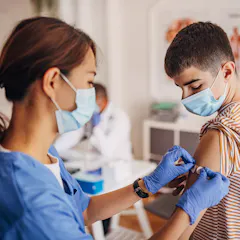
Nurses who identify as Democrats have a significantly higher likelihood of having their children vaccinated against COVID-19 than those who identify as Republicans.

Case numbers are falling in all age groups, including over-70s. This is good news as case rates in older people have been a key driver of the steep rise in hospitalisations and deaths in this wave.
A team analyzed more than 21 million tweets about COVID-19 vaccines and found that negative sentiments on social media were tied to lower-than-expected vaccination rates in many nations.
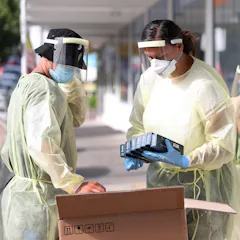
As Omicron cases soar in New Zealand, most people can still avoid getting infected. Even if you share a household with an infected person, catching the virus is not at all inevitable.
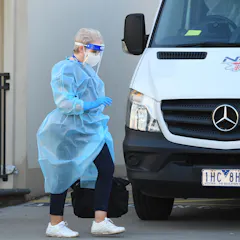
With COVID deaths in aged care mounting and reports of neglect of residents due to workforce shortages, Scott Morrison on Monday announced bonus payments totalling up to $800 for staff.
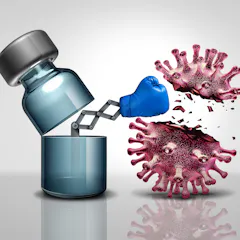
Even with a variant like Omicron that may be more transmissible than earlier variants, vaccines remain the most effective tool for protection against COVID-19 and for ending the pandemic.
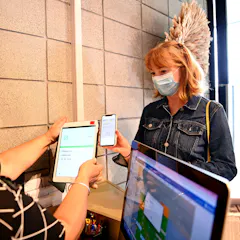
Vaccine passes are easy to fake. Unless venues and businesses make sure to verify them and check the identity of the pass holder, COVID will likely continue to spread.
Top contributors
-

Professor of Global Biosecurity, NHMRC L3 Research Fellow, Head, Biosecurity Program, Kirby Institute, UNSW
-
Professor and Director of Doherty Epidemiology, The University of Melbourne
-
Professor in Applied Mathematics, University of Canterbury
-
Senior Lecturer, University of Auckland, Waipapa Taumata Rau
-
Senior research fellow, University of Waikato
-
Professor, Virginia Tech
-
Professor, School of Population Health, UNSW
-
Head of School of Population Health and Professor, Infectious Diseases Dynamics and Interventions, UNSW
-
Associate Professor, Computing & Information Systems; Director, Melbourne Data Analytics Platform, The University of Melbourne
-
Professor of Paediatrics and vaccinologist, Royal Childrens Hospital, University of Melbourne and Murdoch Childrens Research Institute (MCRI); Associate Dean International, University of Melbourne, Murdoch Children's Research Institute
-
Research Fellow, University of Sydney School of Public Health, University of Sydney
-
Professor, School of Public Health, University of Sydney
-
Professor, The Children's Hospital at Westmead Clinical School and Sydney Infectious Diseases Institute, University of Sydney
-
Professor of Law, University of Waikato
-
Associate Professor of Microbiology and Immunology at Emory University, University of Pittsburgh