
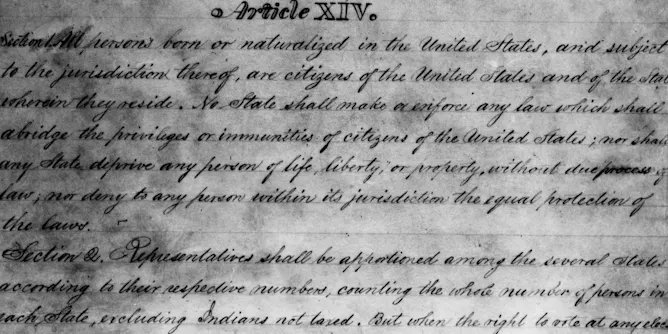
A little-noticed provision of the US Constitution would strip any state of almost all its electoral votes if legislators sought to overrule the will of the voters.
Articles on US Constitution
Displaying 141 - 160 of 431 articles
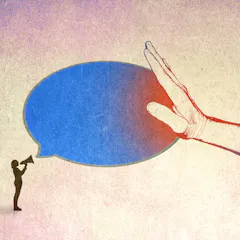
Americans agree that democracy requires freedom of speech. But a large minority also thinks it’s acceptable to bar certain subjects or speakers from public debate.
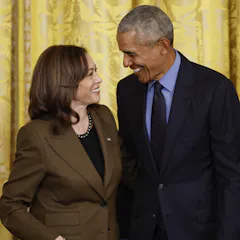
A falsehood once used on Barack Obama – that he wasn’t eligible to be president – is being recycled to challenge the right of Kamala Harris to serve as president.
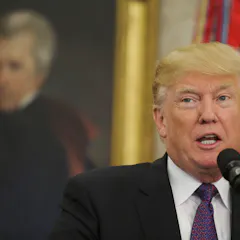
if political loyalty replaces merit as the basis of key federal appointments, Americans can expect government to be less competent – as Andrew Jackson learned during his administration
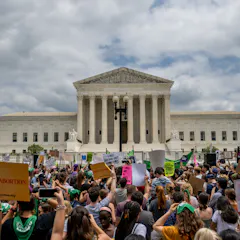
What happens if the highest court in the land loses legitimacy?
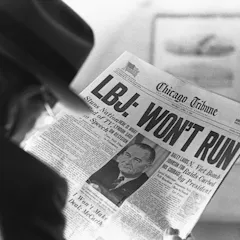
How does someone with power and fame walk away from it? It’s not easy, as these three examples from politics and sports show.
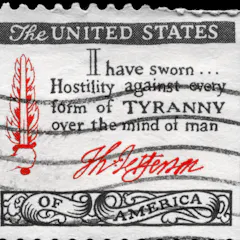
More than 2,000 letters between the two founders are available online. Many attest to their deep commitment to religious freedom.
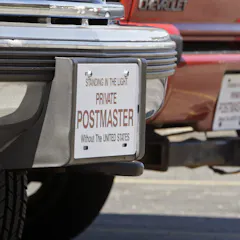
At the core of sovereign citizen beliefs is the denial of the legitimacy of the government. They do not believe they must obey any laws, nor that they can be held to account for lawbreaking.
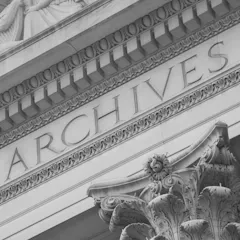
Lawyers, advocacy groups and think tanks are soliciting historians’ expertise on the history underlying certain Supreme Court cases. Yet this history-for-hire approach raises questions.
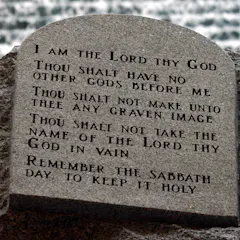
The Supreme Court’s approach toward religion in schools has been shifting, creating uncertainty about legislation such as Louisiana’s.
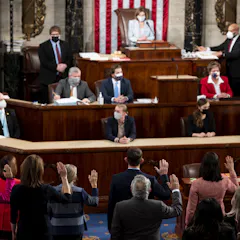
Members of the House of Representatives relish their connection to their districts and their constituents. So why are they called “Congressman” or “Congresswoman” instead of “Representative”?

Legal rulings throw fate of special scholarships for ethnic minorities into doubt.
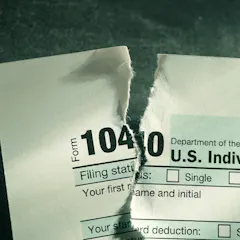
Some people refuse to file tax returns or pay all of their income tax due to moral or ethical concerns. The IRS warns that they, like more selfish tax scofflaws, may face penalties.
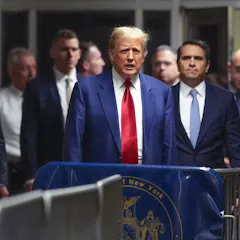
Despite several efforts to delay the case involving hush money payments to a porn star, Donald Trump becomes the first former US president to go on trial on criminal charges on April 15, 2024.

Members of the military take an oath before service, but it’s to the Constitution, not a specific person. West Point professors explain how young officers learn the importance of their allegiance.

Years of research about the people who work in the federal government finds that most of them are devoted civil servants who are committed to civic duty without regard to partisan politics.

These cases have asked the justices to consider how to apply some of the most sweeping constitutional protections – those of free speech – to an extremely complex online communication environment.
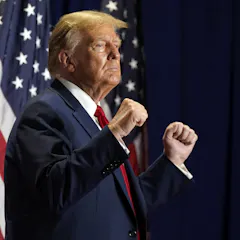
A Georgia election law scholar explains what’s behind the ruling and what it means for the state’s prosecution of Trump.
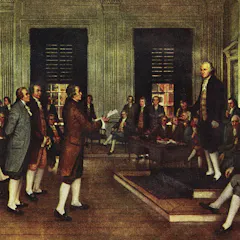
Right from the very beginning of the nation, there have been rules that limit the ability of the people to choose their leaders.
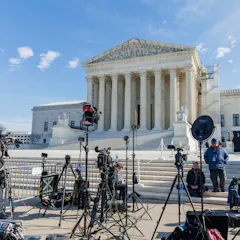
Experts explain the context behind the Supreme Court’s ruling on Donald Trump’s eligibility to appear on presidential ballots.
Top contributors
-

Professor of American Civics, University of Tennessee
-
Associate Professor of Law, Arizona State University
-
William Nelson Cromwell Professor of Jurisprudence and Political Science, Amherst College
-
Professor Emeritus of Government, Wesleyan University
-
Foundation Professor of Law and Political Science, Arizona State University
-
Joseph Panzer Chair in Education and Research Professor of Law, University of Dayton
-
Professor of Law and Director of the Center for Professional Ethics, Case Western Reserve University
-
Associate Professor of Political Science, Westminster College
-
Professor of Law and Adjunct Professor of Political Science, Wayne State University
-
Associate Professor of Political Science, Rochester Institute of Technology; Institute for Humane Studies
-
Associate Professor of Political Science, Boise State University
-
Spécialiste de la politique américaine, Sciences Po
-
Professor of law and ethics, Georgia State University
-
Professor of American History, Università di Torino
-
Professor Emeritus of Communication and Rhetorical Studies, Syracuse University