
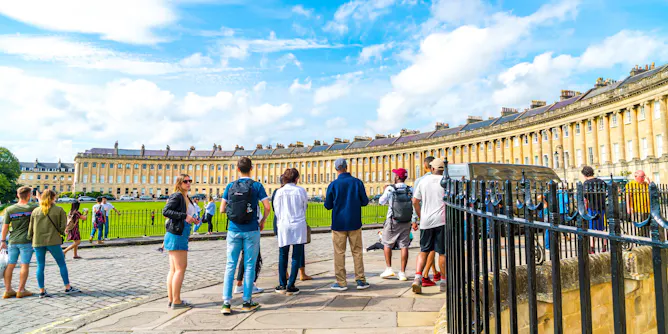
Historic buildings are worth preserving not only for their architectural significance but their scenic quality.
Articles on Urban wellbeing
Displaying all articles
Bypassing planning regulations is likely to have impacts on social inequity and wellbeing that could prove very costly for both governments and people.
Parks have a vital role to play for both physical and mental wellbeing.

When so much of the green space in our cities is in the form of nature strips, current restrictions on plantings are denying us the many social and environmental benefits of more diverse greenery.

What matters to women as they grow older, as the city’s population changes and urban development continues apace? You don’t know unless you ask them – and they have so much to contribute.
Every year, our big cities vie for global liveability honours. But as well as differences between the cities, liveability varies widely within them, leaving plenty of work to be done.

The positive mood of tweets varies with time of day and season, but it’s consistently higher in parks than in built-up areas, where people are more likely to express anger and fears.

While many talk about 30-minute cities, some aim for residents to be able to get to most services within 20 minutes. But cities like Melbourne have an awful lot of work to do to achieve their goal.

Australians are losing the backyards that once served as retreats from the stresses of city living. Our health is likely to suffer as cities become less green and much hotter.

Research shows planners and built environment professionals have surprisingly poor knowledge about how cities might harm mental health. The good news is that simple steps can make a big difference.
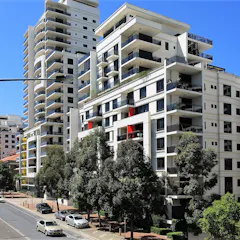
Many new housing developments are being built along busy roads and rail lines, but lack design features that would reduce occupants’ exposure to harmful traffic pollution.

Health benefits of being close to nature are well established, but the rise of apartment living means we can’t always be close to greenery.
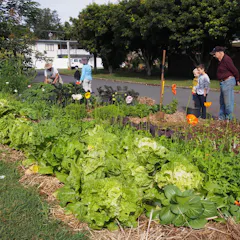
Urban residents are increasingly keen to farm verges, parks, rooftops and backyards, but planning rules sometimes stand in the way.
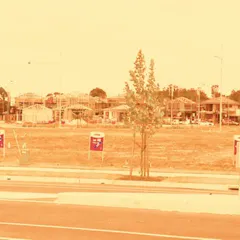
Extreme heat divides people from the environment and from each other. So with the rapid densification of our cities, what kind of legacies are we building for future generations?
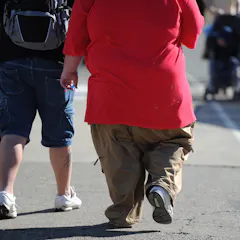
Enshrining the need for planning healthy built environments in legislation will help ensure the fundamental role planners have to play in facilitating healthy lifestyles.
Top contributors
-

Academic, Landscape Architecture and Urban Ecology, The University of Melbourne
-
Distinguished Professor and Director, Urban Futures Enabling Capability Platform, and Director, Healthy Liveable Cities Group, RMIT University
-
Housing Policy Researcher, Expert Advisor, Housing Assessment Resource Tools and Adjunct Professor, L’Université d’Ottawa/University of Ottawa
-
Senior Research Fellow, Healthy Liveable Cities Group, Centre for Urban Research, RMIT University
-
Associate Professor in Urban and Regional Planning, University of Sydney
-
Research Scientist in Biodiversity and Human Health, Edith Cowan University
-
Professor, Social Design, Faculty of Design and Society, University of Technology Sydney
-
Senior Lecturer in Environmental Management, University of Tasmania
-
Professor of Planning and Associate Director, City Futures Research Centre, UNSW
-
Professor, Director Australian Urban Observatory, Centre for Urban Research, RMIT University
-
Professor of Human Geography and Planning, University of Tasmania
-
Research Officer, Healthy Liveable Cities Group, Centre for Urban Research, RMIT University
-
Program Coordinator, Arthur Rylah Institute for Environmental Research
-
Adjunct Senior Teaching Fellow in Urban Planning and Design, The University of Western Australia
-
Research Fellow, The University of Melbourne