
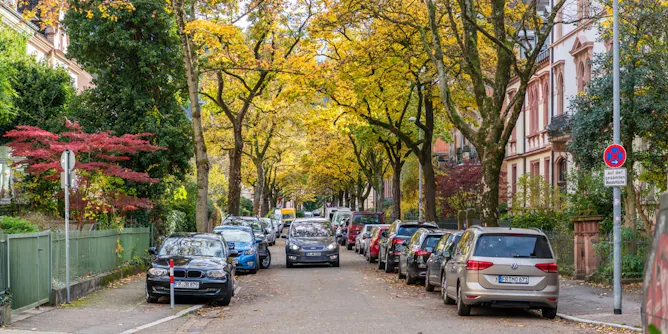
The tiny gardens beneath street trees can boost biodiversity and our connection to where we live.
Articles on Urban nature
Displaying 1 - 20 of 26 articles

Loneliness is common – and so is our alienation from nature. New research shows we can tackle both at the same time
Cities around the world rely on trees to keep temperatures lower. New research shows trees are remarkably effective – but can’t do it all
Our cities are full of obstacles and hazards for native wildlife but also contain many valuable patches of habitat. Creating green spaces to connect these patches improves their lives and ours.
The tangle of greenery along railway lines, flowers growing on vacant lots, or unmown grassy patches under power lines, it turns out people in cities engage with nature in all these spaces.
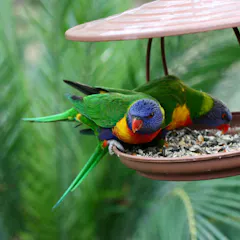
Interest in bird feeding surged soon after COVID lockdowns began in more than 100 countries. While this activity boosts people’s wellbeing, care must be taken to ensure it’s also good for the birds.

A public survey found 86% of people want more space for nature in the city. The city council is already taking steps to add green space and increase biodiversity, which should boost public wellbeing.

The contestants’ relationships with nature clearly shape their actions. As armchair experts, each of us may reflect on our own relationship with nature and how we would act in the same situation.
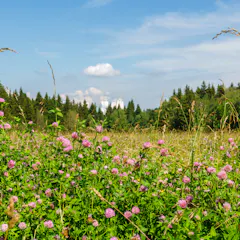
Animals and plants living in cities are more likely to thrive when they are able to quickly adapt to urban conditions.
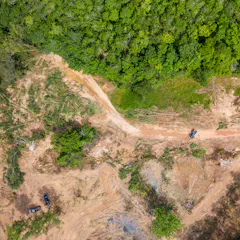
Exposure to diverse microbes boosts our immunity, while spending time in nature restores wellbeing. And COVID reminds us of the risks of new viruses when we intrude on and degrade natural habitats.
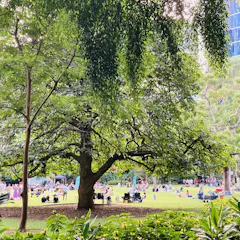
When the pandemic hit, green space was there for us at a time when others weren’t or couldn’t be. Urban greening might be the solution to the ‘lonelygenic environment’ that our cities have created.

Urban renewal can bring downsides as well as benefits. A new guide helps people connect more deeply with their suburbs.

Armed with smartphones, keen eyes and curiosity, students are learning to provide vital observations that add to our knowledge of the distribution of plant and animal species and how to conserve them.
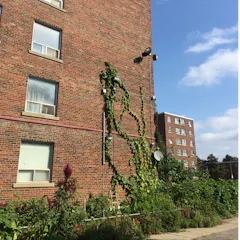
Plants support human health not only in terms of providing food, oxygen and shade. Our relationships with plants facilitate political decisions and actions that support health in the city.

Soundscapes impact the well-being of human and non-human urban inhabitants. Here’s how noise can change animal behaviour, both in and out of lockdown.

The more our cities grow, the more we need access to enjoy — and be in relationship with — urban forests to maintain our well-being.
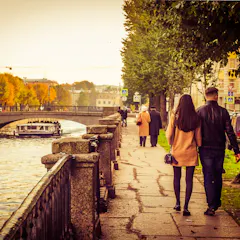
Repurposing derelict Victorian canals could boost people’s mood and their physical activity levels.

Access to parks and green space in England’s cities is far from equal.

Urban growth and development affects human-animal relationships, as shown by the novel coronavirus that causes COVID-19.

A new survey finds that Americans are willing to accept limits on visitors to public lands to reduce crowds, and want staff and visitors to wear masks.
Top contributors
-

Assistant Professor, Faculty of Health Sciences; Senior Scientist, Pacific Institute on Pathogens, Pandemics and Society, Simon Fraser University
-
Professor, School of Life and Environmental Sciences, University of Sydney
-
Associate Professor & ARC Industry Fellow, Urban Ecology, Curtin University
-
Professor, Urban Ecology and Biodiversity, The University of Melbourne; RMIT University
-
Vice-Chancellor's Research Fellow, Centre for Urban Research, RMIT University
-
Adjunct Professor of Biology, Adelaide University
-
Professor of Design and Health and Director of the Center of Design and Health at the Architecture School, University of Virginia
-
Associate Professor of Outdoor Recreation and Wildland Management, University of Montana
-
Research Scientist, Cooperative Institute for Research in Environmental Sciences, University of Colorado Boulder
-
Adjunct Fellow, Institute for Sustainable Futures, University of Technology Sydney
-
Ecologist and Researcher, Flinders University
-
Professor in Environmental & Landscape Planning, University of Manchester
-
Professor Health Behaviour Dynamics of People, Places and Systems, Glasgow Caledonian University
-
D'harawal Knowledge Keeper, PhD Candidate and Lecturer, School of Architecture, University of Technology Sydney
-
Assistant Researcher, School of Ecosystem and Forest Sciences, The University of Melbourne