
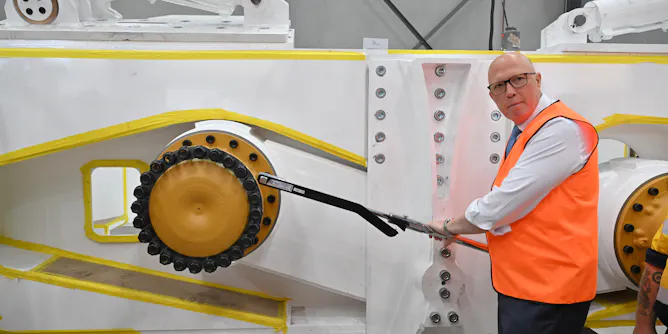
Peter Dutton says co-hosting the 2026 UN climate summit is ‘madness’. But Australia would be mad to miss out on the benefits, including investment in renewables.
Articles on United Nations Climate Summit
Displaying 1 - 20 of 33 articles
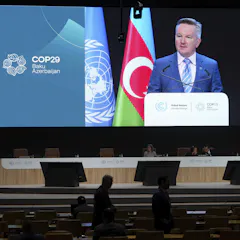
Australia and Pacific nations won’t know until June next year if they’re hosting the COP31 climate talks. But with tens of thousands of people potentially coming, they need to start planning now.
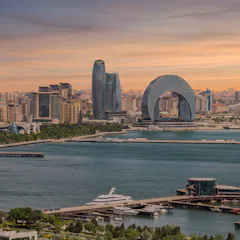
The succession of authoritarian fossil fuel producers hosting international climate negotiations is a concern. We must pay attention to political influences on the talks and beware of greenwashing.
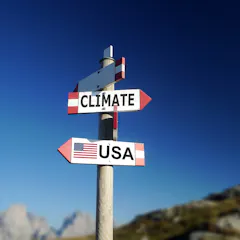
What will a Trump Presidency mean for climate policy, in the US, Australia and elsewhere? Buckle up, it’s not pretty.
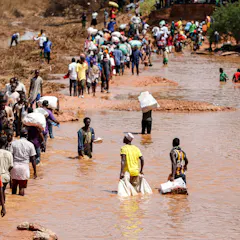
In African coastal communities, traditional knowledge helps residents to anticipate and prepare for potential flooding events.
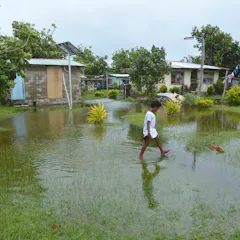
As Climate Change and Energy Minister Chris Bowen lands in Dubai for COP28, Australia has announced an extra A$150 in climate finance with a focus on the Pacific region.
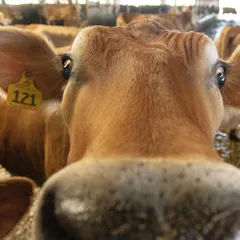
Food systems are increasingly disrupted by climate disasters, while also being a major contributor to climate change. World leaders at COP28 vowed to do something about it.
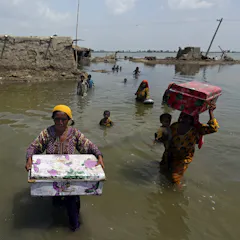
Through the Loss and Damage Fund, developed states and major emitters will compensate developing countries experiencing the most devastating effects of climate change. The fund is now operational.

In what’s likely to be the hottest year on record, nations are gathering to try and hash out faster action on climate change. Here are the three main issues facing negotiators.

How and where people spend their money and use energy can influence corporate behavior.
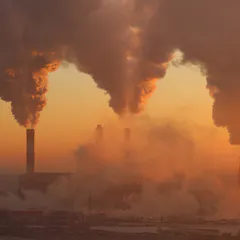
The United Nations climate summit in Glasgow next month is the first real test of whether the world can limit global warming below catastrophic levels.
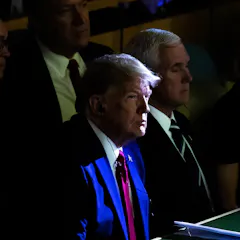
The summit was supposed to get global climate action back on track. But despite a few bright spots, the urgent action needed to avoid a climate catastrophe looks a long way off.

George H.W. Bush, who has passed away aged 94, was US president when the world began grasping the climate issue in earnest. But he was pivotal in setting the US on a course of blocking climate action.
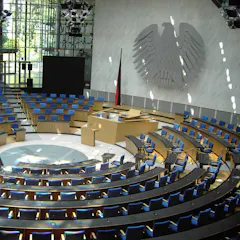
After the breakthrough at last year’s Paris climate talks, the hard work resumes this week as delegates meet in Germany to discuss how to ramp up countries’ climate targets.
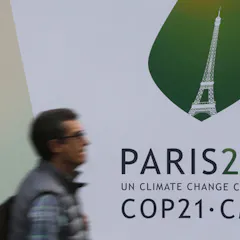
The 2015 “Conference of Parties” in Paris will bring together 195 nations rich and poor as well as the EU to try and hammer out a definitive climate agreement. So how does it all work?
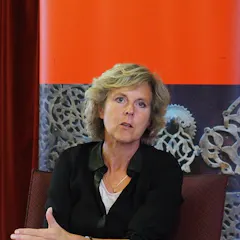
Connie Hedegaard, who chaired the 2009 Copenhagen climate summit, says the stakes are high for this year’s crunch talks in Paris, and that without a solid result, the process could begin to fragment.
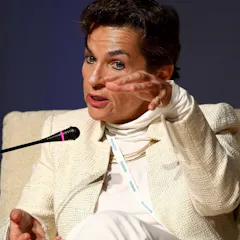
UN climate chief Christiana Figueres has hinted that Australia risks becoming an outsider at this year’s Paris climate talks if it doesn’t match the ambition of many other countries’ climate pledges.
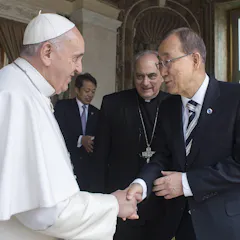
Pope Francis is set to release an encyclical on climate change next month, which he hopes will influence this year’s Paris climate talks as well as continuing his work on behalf of the world’s poorest.
In the final part of his essay on the Paris climate talks, Nick Rowley explains how a successful deal, whether binding or not, needs to influence directly the domestic policies of the world’s nations.
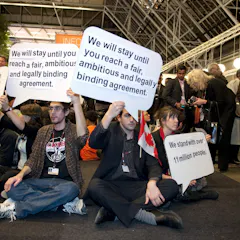
Hopes are high that a global climate deal can be reached in Paris this year. In part 1 of a three-part essay on the prospects for such a deal, Nick Rowley sets out three myths about the UN talks that need to be dumped before we go forward.
Top contributors
-

Research Associate, Institute for Climate Risk and Response, UNSW
-
Senior Research Fellow and Associate Professor, Melbourne Climate Futures initiative, The University of Melbourne
-
Honorary Associate Professor, The Crawford School of Public Policy, Australian National University
-
Professor, Crawford School of Public Policy and Director, Centre for Climate and Energy Policy, Australian National University
-
Chief Research Scientist, CSIRO Environment; Executive Director, Global Carbon Project, CSIRO
-
Professor of International Relations, The University of Queensland
-
Associate Professor of Diplomacy and International Relations, Seton Hall University
-
Professeur de droit public, Université de Lorraine
-
Academic Director, School for International Training, The University of Melbourne
-
Senior Research Fellow, The University of Queensland
-
Associate Professor, Adelaide Law School, Adelaide University
-
Climateworks Centre CEO, Monash University
-
Professor, Climate | Policy | Sustainability, York St John University
-
Professor of Sustainable Development, University of Notre Dame
-
Senior Research Associate, Institute for Environment and Human Security (UNU-EHS), United Nations University