
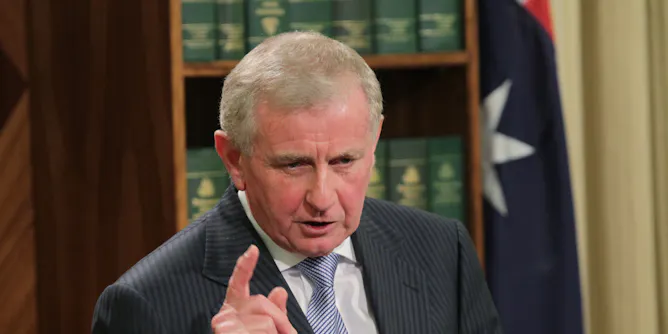
Crean, who served in parliament from 1990 to 2013, was a minister in the Hawke, Keating, Rudd and Gillard governments.
Articles on Unions
Displaying 81 - 100 of 338 articles

My research shows that UK price rises are likely to have been caused by high profits, falling wages and weak production over decades

Young motivated employees are pushing the movement for union representation among US workforces. Is it time for management to get on board?
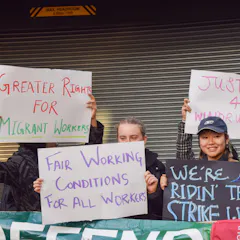
Since 2011, I’ve worked in more than 20 precarious workplaces in hospitality, manufacturing and logistics – and I have only seen a union once.

Will an increase in wages make federal government workers happier and more efficient while dealing with the public on taxation, public safety and a multitude of other daily and often frustrating issues?
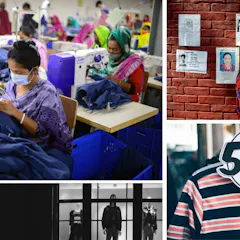
We look back to the 2013 Rana Plaza garment factory collapse in Bangladesh that killed 1,124 people and discuss how much — or how little — has changed for garment-worker conditions today.
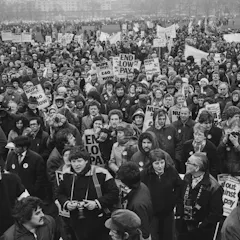
From the late 1960s to the early 1980s, more unionised workforces from Europe to Aotearoa New Zealand fought hard to keep wages abreast with inflation. But it’s unlikely that could happen now.

The goal of the labour movement is to advance the interests of workers everywhere. Nativist narratives about defending Canada could explain Pierre Poilievre’s popularity among some union members.

Season four of You delves into the misogyny and monstrous behaviour that can lurk beyond university facades.
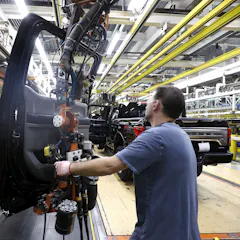
Results already in from the first direct leadership election in the UAW’s 88-year history present a sharply divided leadership.
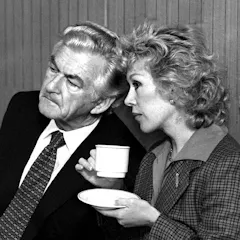
Bob Hawke spent 24 years married to his second wife, Blanche d'Alpuget, whose canny 1981 biography helped make him ALP leader – and one of our most beloved PMs. Chris Wallace tells their story.
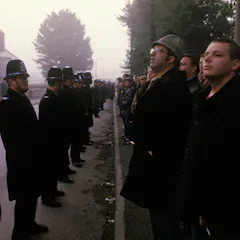
Workers have gradually lost all powers to take industrial action when they feel conditions are unfair.

The strikes (minimum service levels) bill making its way through parliament potentially means employers can block named workers from taking industrial action.
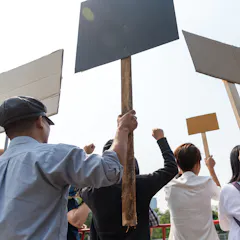
With real wages in many countries having been stagnant for years, the inflation surge has brought unions back to life.
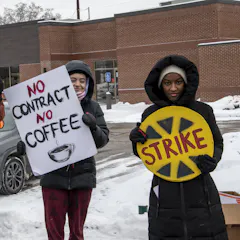
Workers have filed the most union petitions since 2015 and the number of strikes have surged, but whether this turns into a sustained increase in membership rates is still unclear.

Psychological and social perspectives on economy that were developed by 19th-century philosophers can help us re-imagine economics with a human face.
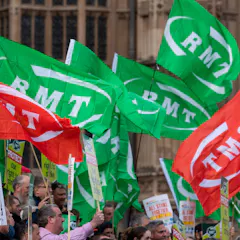
Unions are calling on the government to negotiate on pay, here’s how it could mediate discussions between employers and unions.

Improving the ability for worker’s voices and perspectives to be heard in the workplace could have wide ranging benefits for employers and broader society at large.
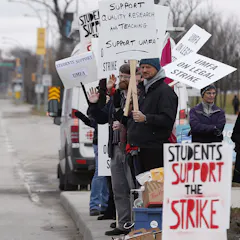
Education strikes by university and public school workers are political fights about diminished respect for education as a public good and workers’ rights in an economy that perpetuates inequality.
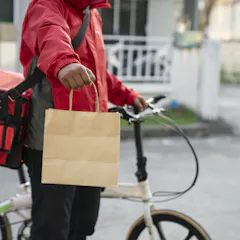
There are ways in which platform workers can resist the rise in job insecurity and poor working conditions brought on by digital labour platforms.
Top contributors
-

Professorial Fellow, University of Canberra
-
Affiliate Research Associate, School of Political and Social Sciences, University of Glasgow
-
Professor, Labour Studies, Brock University
-
Professor of Management, Co-Director of the MIT Sloan Institute for Work and Employment Research, MIT Sloan School of Management
-
Professor and Director of Labor and Employment Studies, San Francisco State University
-
Professor Emeritus of Business, Wayne State University
-
Associate Professor UTS Centre for Business and Social Innovation, University of Technology Sydney
-
Laurie Carmichael Distinguished Research Fellow at the Centre for Future Work, Melbourne; and Professor Emeritus, Griffith Business School, Griffith University
-
Associate Tutor, University of Surrey
-
Professor Emeritus of Management, Colorado State University
-
Sessional Lecturer, Australian Catholic University
-
Professor of Labour Law, University of Sydney
-
Emeritus Professor, Macquarie University
-
Associate Professor, School of Labour Studies, McMaster University
-
Associate Professor of Labour Studies, Brock University