

A lack of food is not the only cause of malnutrition. Poverty, disease, poor sanitation, climate pressures and limited access to healthcare also shape it.
Articles on Undernutrition
Displaying all articles

While sanctions aim to punish regimes, they often punish citizens instead.
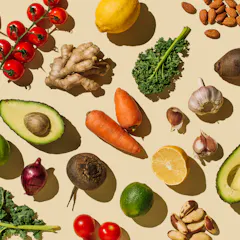
TB is the single most deadly infectious killer of humankind. New research shows food and proper nutrition work like a vaccine against the disease.
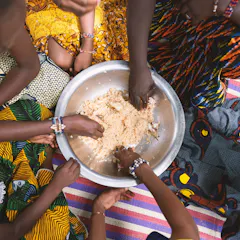
Using simple behavioural science models can help programmes to understand people’s lives and how to design nutrition interventions that directly benefit them.
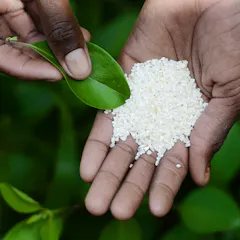
Nigeria has an alarming number of stunted children. This can hold back the country’s long-term productivity if there is no intervention.

Chronic illness, difficulty eating on their own, and even loneliness are just some of the reasons why people over-65 are more likely to be malnourished.
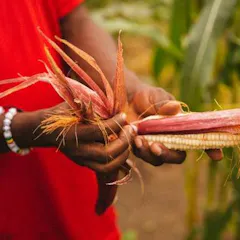
Policy choices made by Senegal, Ghana, Rwanda, Angola, Cameroon, Ethiopia and Togo over the past 15 years have led to significant reductions in child undernourishment.
Many people in a large number of low and middle income countries now experience a ‘double burden’ of malnutrition.
Inequalities in the nutritional status of poor and rich have been mitigated through various social protection policies, but children in South Africa remain at risk of malnutrition.

In many rural areas, poor people are suffering from malnutrition, which takes the form of stunting and obesity. To change this, their food environments must change.
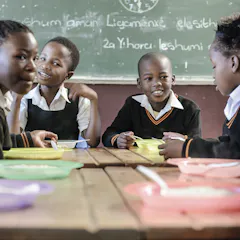
In-school nutrition programmes can reduce the chances of children suffering from childhood obesity.
Over the last three years Kenya has seen marked improvements in its nutrition-related targets as a result of a national nutrition plan it has implemented.
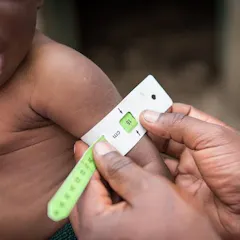
Research around the importance of the first 1000 days has been gaining traction. The latest links stunting to malnutrition in children.

There are two extremes of malnutrition at play among South Africa’s youth - both under nutrition and over nutrition.
Top contributors
-

Director for Africa, International Food Policy Research Institute (IFPRI)
-
DSTI/NRF Research Chair in Welfare and Social Development, University of Johannesburg
-
Post-doctoral fellow, University of British Columbia
-
Director DST-NRF Centre of Excellence in Food Security, University of the Western Cape
-
Senior scientist, University of Bonn
-
Professor in Food Security; Head of the Department of Agricultural Economics, Extension and Rural Development, University of Pretoria
-
Head of department: Human Kinetics and Ergonomics, Rhodes University
-
Senior Research Scientist, African Population and Health Research Center
-
Lecturer in Comparative Human Biology, University of Cambridge
-
Emeritus Professor, School of Public Health, University of the Western Cape
-
Dr Yogan Pillay is the director for HIV and TB delivery at the Bill and Melinda Gates and He is currently extraordinary professor in the Department of Preventive Medicine, University of Pretoria
-
Senior Lecturer | Global Health, UNSW
-
Research fellow, Imperial College London
-
Canada Research Chair of Epidemiology & Global Health, McGill University
-
Senior Lecturer in Public Health and Researcher, University of Hertfordshire