
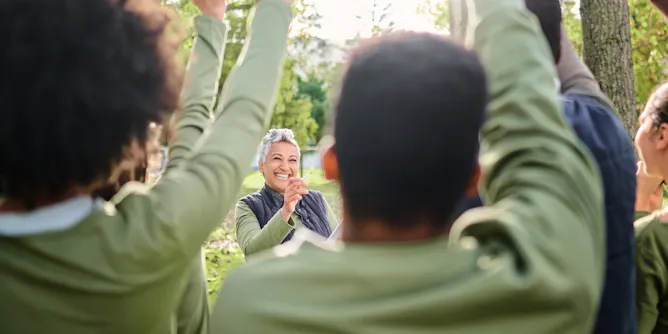
The more developed your home country, the more competent a leader you are – at least that’s what our prejudices say.
Articles on Unconscious bias
Displaying 1 - 20 of 26 articles
Because our shopping process is always the most logical one, the Nutri-Score was developed to help consumers make better-informed decisions.
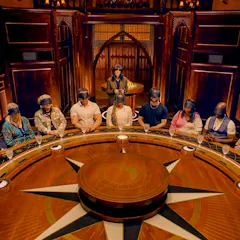
You might think someone is guilty because of unconscious opinions you hold regarding certain traits.
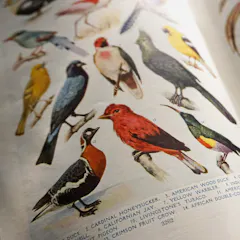
Mid-century encyclopaedias claimed the power to decide what counted as knowledge and what didn’t – much as online publishing platforms and social media companies do today.

After decades of efforts to increase female representation in corporate decision-making bodies, few women are managing to take the reins of power.

People who object to affirmative action were more likely to discriminate against job candidates with Black-sounding names than those who supported it, whether or not they had to rush.

After decades of effort to reduce discrimination in the workplace, a cultural change may be happening that will enable people to move past their unconscious biases.
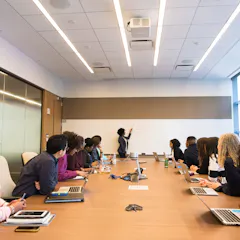
Security vetting is reliant on subjective judgements that may not take into account wider structural inequalities and discrimination.

When a person expresses racial bias, then that bias, conscious or not, is racism.

Name microaggression refers to negative assumptions about people with ethnic-sounding birth names. This can lead to bigger acts of discrimination, which causes harm to people with these names.
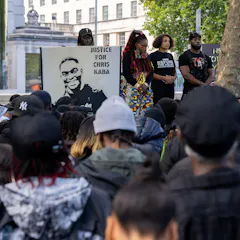
For disproportionate policing to be effectively tackled, it is vital to understand the fear and hurt it creates.
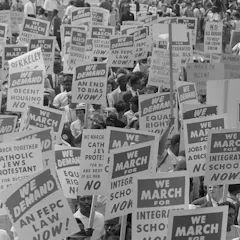
A new book argues that bias is at the root of many social divisions and inequalities, but remains optimistic about our capacity to change.

The motives and biases behind our actions shape how we see the world and everything in it. Understanding our biases means we can contain their negative influence and advance justice in our society.

Mainstream academic publishing presents many obstacles to Indigenous authors, especially the conventional peer review process — but there are ways to overcome this.
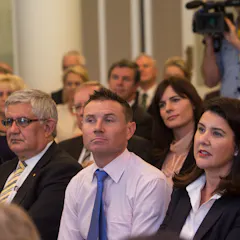
Scott Morrison and Michael McCormack have both called for empathy training for MPs. But it has all the hallmarks of a human resources fad.
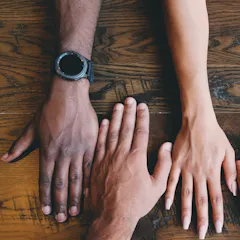
Decades of diversity training has been a double-edged sword. It’s offered a chance for people of colour to advocate for more inclusive workplaces. But it’s done nothing to tackle structural racism.

Evidence shows sharing Aboriginal and Torres Strait Islander stories helps break down stereotypes and prejudice. But these stories are absent from the majority of classroom literature.
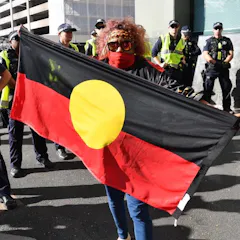
Many white health students - our future doctors, nurses and health workers - find learning about the ongoing health impacts of colonisation on Indigenous Australians confronting. But it’s vital.
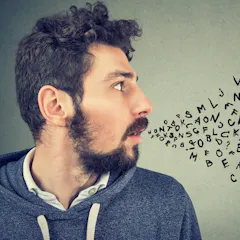
Non-native speakers often face an uphill struggle to be heard and taken seriously.

Fewer girls study economics today than 25 years ago, perhaps because they have become aware of the barriers to progress.
Top contributors
-

Professor and Deputy Vice-Chancellor (Research), University of Sydney
-
Senior Lecturer, Graduate School of Business and Law, RMIT University
-
Professor of Law and Director of the Center for Professional Ethics, Case Western Reserve University
-
Assistant Professor of Psychology, University of Florida
-
Lecturer, The University of Melbourne
-
Adjunct Professor, Griffith University
-
Assistant Professor of Psychology, University of Florida
-
Chair, The Conversation Media Group
-
Professor and co-Director, Centre for Workforce Futures, Macquarie University
-
Senior Lecturer, Department of Marketing and Management, Macquarie University
-
Professor of Early Childhood, Edith Cowan University
-
Lecturer in Marketing, Lancaster University
-
Adjunct professor and adjunct senior lecturer in tourism management, Adelaide University
-
Dean, John Molson School of Business, Concordia University
-
Associate Professor of Statistics, UNSW