
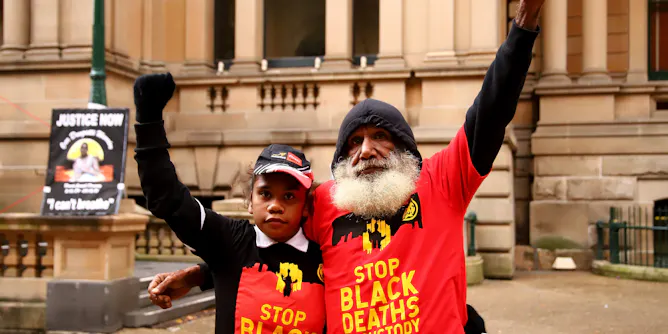
Some of the Coalition government’s initiatives on women and Indigenous issues have been more successful than others. Labor is promising much more.
Articles on Uluru statement
Displaying 41 - 52 of 52 articles
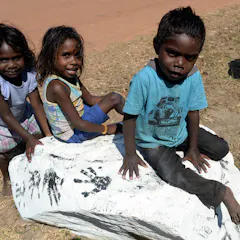
Instead of paying lip service to promoting Indigenous Australians’ rights as First Nations, the next federal government should be guided by the Uluru Statement from the Heart to make real progress.

When the remains of Aboriginal people who died more than a century ago were found, the local Aboriginal community wanted to know more about these past lives.
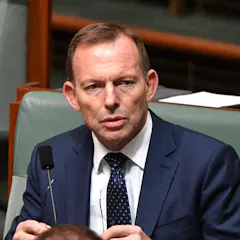
The proposals Abbott has pushed as envoy - more police in Indigenous communities and learning in English - demonstrates his ignorance and unsuitability for the job.
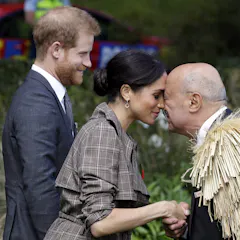
In New Zealand, sovereignty is disputed, but the Maori case for sharing it with settlers underscores the limits of First Nations consultation in Canada.
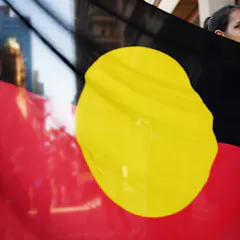
The final report on constitutional recognition is disappointing in many respects, but Labor’s pledge to establish a First Nations voice will give many in the community hope.
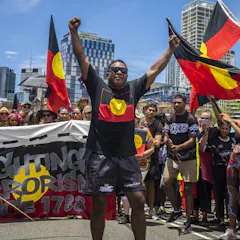
An alternative holiday for Indigenous people doesn’t address the arguments against celebrating nationhood on a day that causes offence to some citizens.

A federal system could deliver on three of the four key elements of the Uluru Statement. Plus, all the elements already exist or are in the works in Australia.

As treaty negotiations begin in Victoria, each party will have to accept the other’s legitimacy; that their own power is not absolute and unconditional.
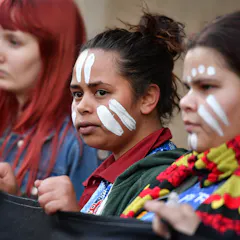
To finally succeed, the idea of an Indigenous voice to parliament must be argued as one that is fundamentally democratic.
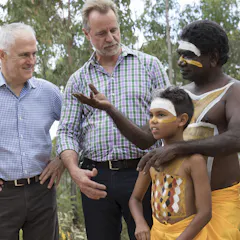
The government has rejected the Referendum Council’s call for a national Indigenous representative assembly to be put into the Constitution.

Australia came in for some harsh criticism from the UN Human Right Committee in regard to its treatment of Indigenous issues – a problem that must now seriously be addressed.
Top contributors
-

Professorial Fellow, University of Canberra
-
Lecturer, Griffith Law School, Griffith University
-
Adjunct Professor, Stout Research Centre, Victoria University of Wellington and Auckland University of Technology, Professor of Political Science, Charles Sturt University
-
Research Fellow (Indigenous Diplomacy), Australian National University
-
Associate Professor, Macquarie University
-
Senior Lecturer in Law at the University of Queensland, The University of Queensland
-
Professor of Law, UNSW Law School, UNSW
-
Pro Vice-Chancellor Indigenous UNSW and Professor of Law, UNSW ; University of Pennsylvania
-
Professor in Human Rights and International Law, University of Newcastle
-
Industry Professor (Indigenous Policy), University of Technology Sydney
-
Lecturer, Centre for Aboriginal Studies, Curtin University
-
Perinatal and Pediatric Epidemiologist; Distinguished Professorial Fellow, The Kids Research Institute Australia
-
Professor Emerita in Constitutional Law, University of Sydney
-
Associate Professor, Edith Cowan University
-
Associate Professor and Director, Kingsford Legal Centre, UNSW