
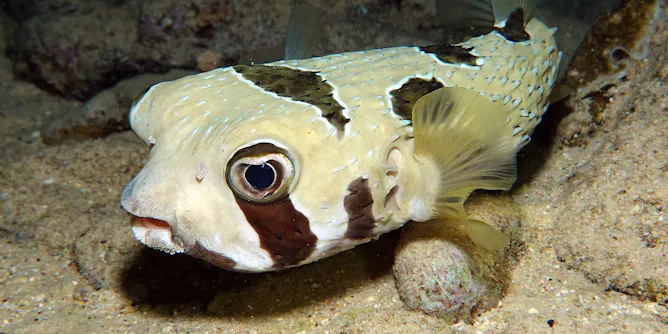
Tracking these shifts is crucial for understanding how climate change is transforming our oceans.
Articles on Tropical fish
Displaying all articles

As oceans warm, tropical fish are on the move, heading south into cooler waters. New research reveals how they are getting on with the fish they encounter there.
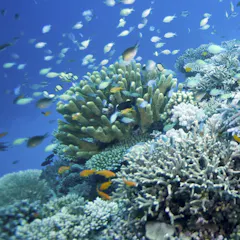
As baby corals float in the currents, they can expand their species’ range. But can they get to climate refuges fast enough to survive? A new study has good news and bad.
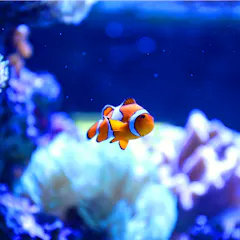
New research reveals the environmental impact of keeping tropical fish as household pets – but there are ways to reduce it.
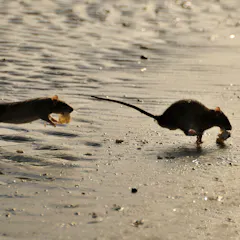
Rats are disrupting the flow of nutrients towards the sea on many tropical islands – this has consequences for fish behaviour and the wider ecosystem.
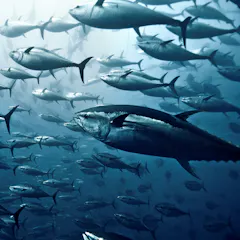
Just about every creature on Earth needs to grab some Zs from time to time. Imagine trying to doze while dodging great whites and killer whales.
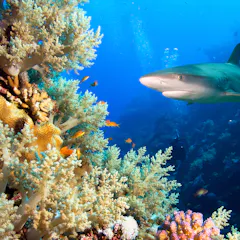
Climate change has already made tropical oceans too hot for some marine species to survive. As they flee towards the poles, the implications for ecosystems and human livelihoods will be profound.
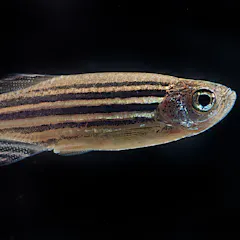
Species can evolve to tolerate higher temperatures – but there’s a ceiling beyond which adaptation isn’t possible.
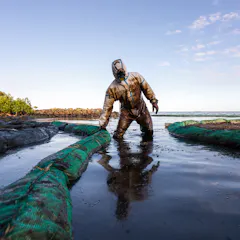
Marine wildlife rarely remain in one habitat. Most species rely on a healthy network of ecosystems to raise their young and catch their food.
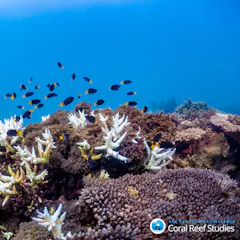
From a scientific perspective, the results are fascinating and world-first. From a personal perspective, what I saw will stay with me for a long time.
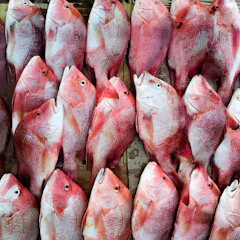
Without understanding which fish species and habitats local fishers rely on, export bans can do more harm than good.
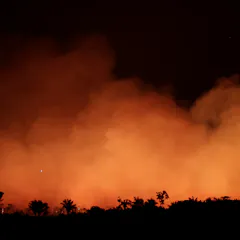
Don’t blame climate change for the 39,000 forest fires now incinerating huge tracts of the Brazilian Amazon. This environmental catastrophe is human-made and highly political.
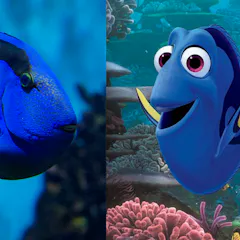
The ‘Nemo effect’ wasn’t real, and new research also found no evidence Dory led to increased imports of wild blue tang fish.
Top contributors
-

Chancellor's Research Fellow, University of Technology Sydney; Adelaide University
-
Professor, Marine Biology, Adelaide University
-
Postdoctoral Researcher in Marine Ecology, Adelaide University
-
Professor in Marine Biology, Nord University
-
Senior Lecturer, Lancaster University
-
PhD Candidate in Marine Ecology, Bangor University
-
Postdoctoral Research Associate in Ecophysiology, University of Glasgow
-
Professor of Marine Biology, James Cook University
-
Professor of Global-Change Ecology, University of the Sunshine Coast
-
University of Auckland, Waipapa Taumata Rau
-
Lecturer, School of Ocean Sciences, Bangor University
-
Postdoctoral researcher in the Animal Evolutionary Ecology, University of Tübingen
-
Professor, The University of Queensland
-
Postdoctoral Research Associate at the School of Biosciences, Cardiff University
-
Professor of Marine Biology and Head of School of Ocean Sciences, Bangor University