
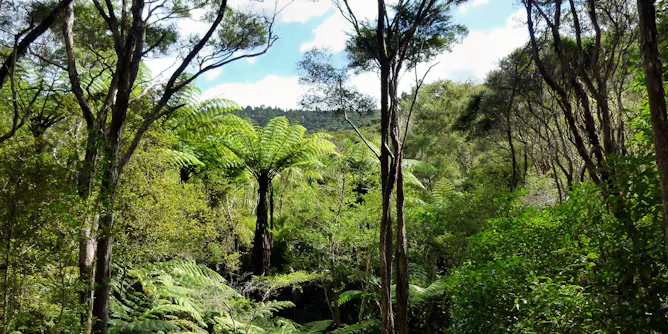
Tree planting projects that use non-native trees risk releasing more carbon back into the atmosphere, undermining efforts to fight climate change.
Articles on Tree planting
Displaying 41 - 58 of 58 articles
Governments are throwing billions of taxpayer dollars on stimulus measures after COVID-19. But they must do it diligently, and transparently.
New Zealand is pumping millions of dollars into environment projects as part of its COVID-19 recovery. Australia’s recovery plan seems more destructive than reconstructive.
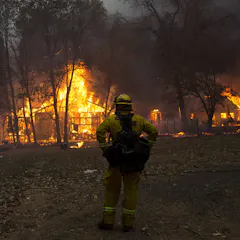
During California’s deadliest wildfire season, 2,000 prison inmates fought the flames on USD$1 a day.
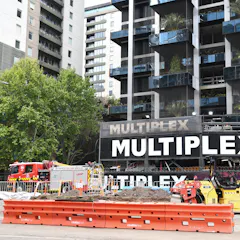
Inner Melbourne alone has lost 2,000 street trees to major developments within a decade. Losing tree cover makes it even more difficult for our cities to cope with an increasingly tough climate.
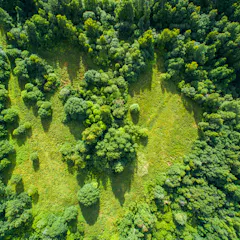
Although China’s tree-planting efforts have increased carbon sequestration for climate mitigation and protected the soil from erosion, they have also led to drastic water shortages.
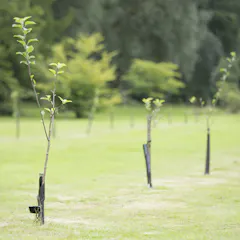
The UK’s official climate advisor recommends up to 50,000 hectares of new woodland each year by 2050.
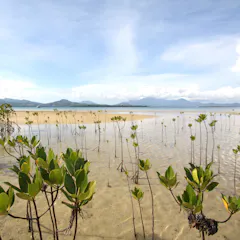
Promising to plant 100m trees a year is one thing; making them grow can be quite another.

John Evelyn’s 1664 work ‘Sylva’ called for a mass tree planting campaign.
Ecological literacy is needed to guide global tree planting initiatives to avoid damaging some ecosystems.

Thirty tree species make up more than half of Australia’s urban forests. Some won’t survive climate change, so cities must plant a more diverse mix of the right species to preserve their tree cover.
At best, planting trees won’t be enough on its own to slow climate change. At worst, it’s a dangerous distraction.
Two trends in Australia, an ageing population and warming climate, are increasing the threat that heatwaves pose to our health. Increasing vegetation cover is one way every city can reduce the risk.
Replanting the world’s great forests should be a central demand at COP24.
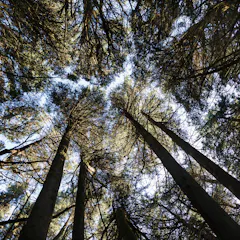
Planting more native forests could help mitigate the causes of climate change, but unless funding is closely tied to successful outcomes, such projects face the risk of failure.
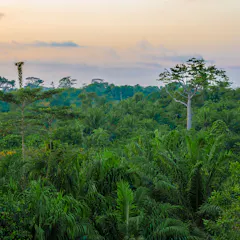
It’s important to be wary of planting trees in places where none exist, or where there are significant water constraints.
It seems like a ‘no brainer’ to use urban greening to help cities adapt to increasing heat, but the uptake of green infrastructure, such as trees and vegetated roofs, surfaces and walls, is slow. Why?
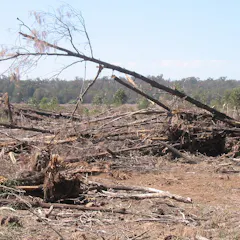
Land clearing in Queensland has tripled in the past five years.
Top contributors
-

Professor of Human Geography and Planning, University of Tasmania
-
Senior Lecturer in Urban and Environmental Planning, Griffith University
-
CGIAR
-
Professor of Restoration Ecology, University of California, Santa Cruz
-
Spatial analyst, Macquarie University
-
Senior Lecturer, Macquarie University
-
Professor in ecology and environment, Griffith University
-
Professor of Earth System Science, UCL
-
Professor in Conservation Science, School of the Environment, The University of Queensland
-
Emeritus Professor of Environmental Management, The University of Queensland
-
Professor & Director, QUT Centre for Environment and Society, Queensland University of Technology
-
Professor and ARC Future Fellow, Hawkesbury Institute for the Environment, Western Sydney University
-
Associate Director Smart Green Cities, Macquarie University
-
Associate Professor of History, University of Johannesburg
-
Associate Professor and ARC Future Fellow, The University of Queensland