

Summer can bring out the bugs. Here’s what to do if you miss a spot when applying insect repellent.
Articles on Treatment
Displaying 21 - 40 of 56 articles
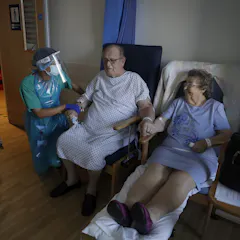
Death rates for hospitalized COVID-19 patients fell from 25.6% in March to 7.6% in August, according to a new study on three hospitals in New York. A study in the UK found similar results.

Nanoparticles dressed up in cell membranes snag SARS-CoV-2 virus particles before they reach human cells.
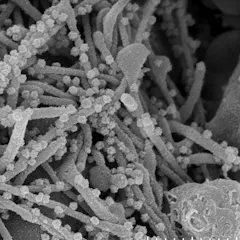
Kinases are cellular control switches. When they malfunction, they can cause cancer. The coronavirus hijacks these kinases to replicate, and cancer drugs that target them could fight COVID-19.

Toilet paper shortages were bad enough. A shortage of drugs during the COVID-19 pandemic would be worse. A provision in the Canadian government’s relief package aims to prevent that from happening.

You may have a confirmed diagnosis of COVID-19, or just suspect you have it. Either way, if you have mild to moderate symptoms, treat them as you would with any other cold or flu.
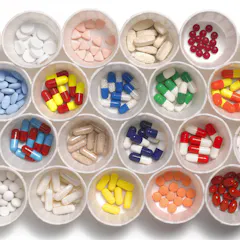
Among the more than 20,000 drugs approved by the FDA, there may be some that can treat COVID-19. A team at the University of California, San Francisco, is identifying possible candidates.

By imagining a unique scenario to answer “yes” or “no” questions, this research could potentially be used to communicate with locked-in patients.

Professional societies of doctors, surgeons or physiotherapists are more likely to recommend against treatments provided by others, our new research shows.
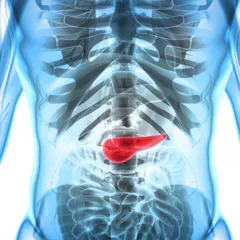
Pancreatic cancer currently has one of the least optimistic prognosis, with just 5% of patients surviving five years after diagnosis. A recent study opens a door to hope.

Technology could be a promising alternative to traditional therapy.

New findings show what the public really thinks about how we prioritise treatments at the end of people’s lives.
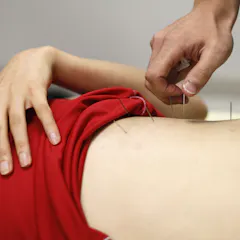
As the Olympics head to the Far East this month, two radically different approaches to training and treating athletes will be on display.

Already suffering debilitating side effects, chemotherapy patients could be made seriously ill by the food they eat.

There are two schools of thought to explain people’s height phobias: evolutionary and behavioural.
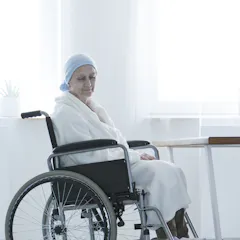
More than 2,000 Canadians have chosen medical assistance in dying (MAID) since legalization in 2016. But palliative care doctors aren’t embracing assisted suicide as part of their job.
Doctors are taught how to treat skin cancer – but not necessarily how to empathise with those who have it.
Although the medical profession must make hard choices about how to allocate care, these decisions need not and should not be shrouded in mystery.

A disease which can mimic the slow march of old age is especially cruel and challenging for those in the prime of life.
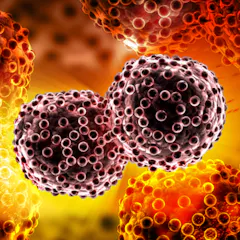
Novel drugs that reduce the spread of cancer in mice could pave the way for changing the way we fight tumours.
Top contributors
-

Professor and Director of Quantitative Biosciences Institute & Senior Investigator at the Gladstone Institutes, University of California, San Francisco
-
Professor of Orthopaedic Surgery, UNSW
-
Professor of Law and Director, Center for Law Health and Society, College of Law, Georgia State University
-
Research Fellow, ZERO2FIVE Food Industry Centre, Cardiff Metropolitan University
-
Deputy Director, The Kids Research Institute Australia, Professor of Autism Research, The University of Western Australia
-
Professor of Health Economics, Director Yunus Centre for Social Business and Health, Glasgow Caledonian University
-
Senior Academic General Practitioner, Queen's University Belfast
-
Associate Professor of Athletic Training, Director of the Masters in Athletic Training Program, College of Pharmacy and Health Sciences, Drake University
-
Addiction Psychiatrist, Associate Professor, Monash University
-
Professor, Department of Biomedical and Life Sciences, Lancaster University
-
Principal Program Officer (Respectful Workplaces), James Cook University
-
Lecturer in pharmacology, University of Cambridge
-
Professor of Health Economics, Glasgow Caledonian University
-
Director, Turning Point and Monash Addiction Research Centre, Monash University
-
Research Fellow, Health Economics, Glasgow Caledonian University