
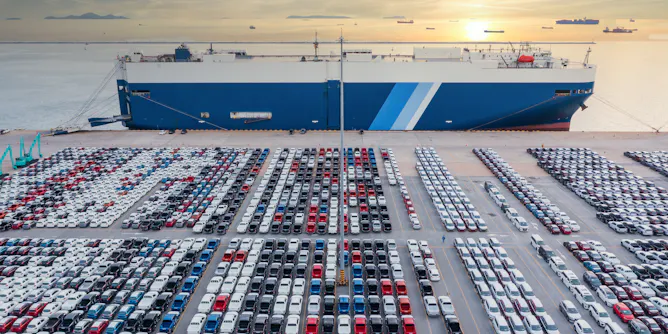
Known as parallel importing, importing goods directly from overseas suppliers lowers costs and increases supply, which is what Australia’s electric vehicle market needs to catch up with the world.
Articles on Transport emissions
Displaying 41 - 60 of 117 articles

Converting to electric cars is going to take time. With transport being Australia’s fastest-growing source of emissions, action on all fronts – road, rail, sea and aviation – is needed.
Major new policies are still needed to accelerate the road transport transition. There’s good news, however: Australian motorists have been promised more choice soon.

Carbon taxes targeting luxury emissions are more popular than those which make necessities more expensive.
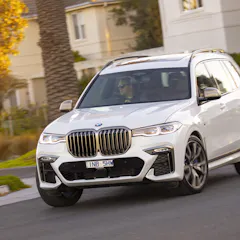
SUVs made up half of all new car sales last year. They’re a drag on Australia successfully reducing its total greenhouse gas emissions.
Biofuels are heralded as a climate-friendly replacement of fossil fuels, but encouraging people to drive less and shift to other modes of transport would cut more emissions.
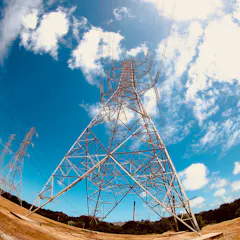
Australia last week moved to tackle the climate crisis when federal parliament passed Labor’s climate bill. But the new law is just the first step.
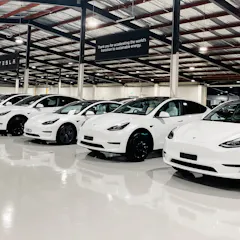
We’ve heard all the concerns about switching to electric cars before. But California, a market with many similarities, shows why Australia is well placed to accelerate its transition.
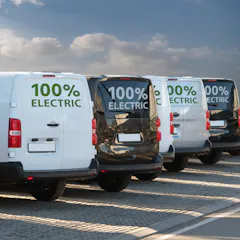
On-demand public transit can rival car ownership in convenience, while cutting emissions and cost, and simultaneously encouraging a mode shift towards public transport.
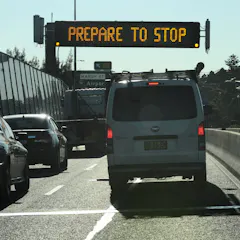
Labor has put fuel efficiency rules on the agenda. But the standards must be stringent and purpose-built for Australia.
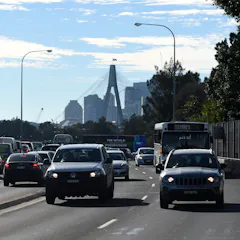
Opposition from vested interests – including oil refineries and the car dealership industry – has held Australia back on fuel efficiency. The onus is now on the Albanese government to intervene.
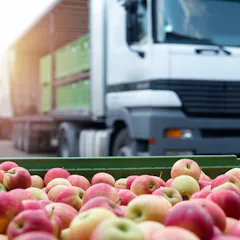
Since 1995, worldwide agricultural and food trade has more than doubled. It’s never been clearer that eating local produce is a powerful way to take action on climate change.

The controversial cars are under attack.
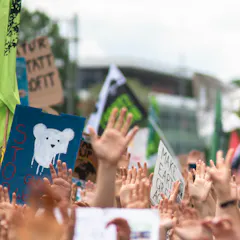
The outlook for potential emissions reduction is far better than in earlier assessments, thanks to the plunging costs of clean energy technologies.

Most people continue using their car because it’s convenient, but few consider the full cost of depreciation and maintenance. Carbon dioxide emissions rarely factor in people’s choice of transport.
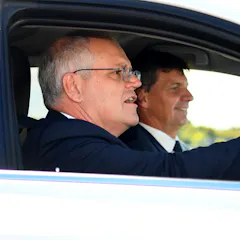
The sale of traditional vehicles would have to cease completely by 2038 to reach the government’s target. So where’s the plan to get there?
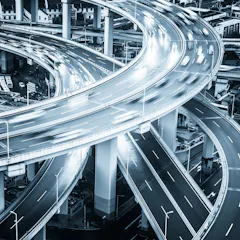
Some pollution is locked in for years to come, and there are no simple solutions.
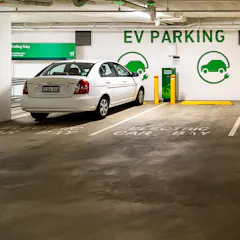
It’s encouraging to see the Morrison government move past its claim electric vehicles would ‘end the weekend’. But the new plan is not the national electric vehicle strategy Australia deserves, and badly needs.
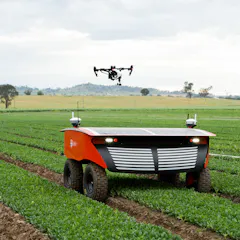
Universities have long been developing research, talent and technology that, with the right mix of industry and government support, will allow Australia to emerge as a green export and R&D leader.
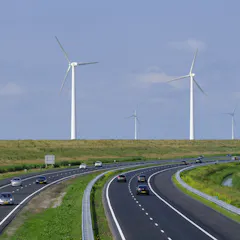
Battery electric cars are an ideal choice for light-duty and shorter commutes, but for long-haul trucks or buses, hydrogen fuel cells offer higher loads, shorter refuelling times and a longer range.
Top contributors
-

Adjunct Professor of Transport, University of Technology Sydney
-
Professor of Transport Technology and Sustainability, Swinburne University of Technology
-
Professor in Applied Mathematics, Te Kunenga ki Pūrehuroa – Massey University
-
Professor, School of Economics, The University of Queensland
-
Honorary Principal Fellow, University of Wollongong
-
Professor in Supply Chain and Freight Innovation, Swinburne University of Technology
-
Senior Lecturer in Culture & Climate, The University of Melbourne
-
E-Mobility Research Fellow, The University of Queensland
-
Professor in Transport Planning, University of Westminster
-
Professor, Crawford School of Public Policy and Director, Centre for Climate and Energy Policy, Australian National University
-
Associate Professor in Sustainability, University of Sydney
-
Senior Lecturer in Law, Cardiff University
-
Senior Associate Institute of Governance and Policy Studies, Te Herenga Waka — Victoria University of Wellington
-
Senior Researcher, Center for International Climate and Environment Research - Oslo
-
Senior Lecturer in Operations and Supply Chain Management, Anglia Ruskin University