
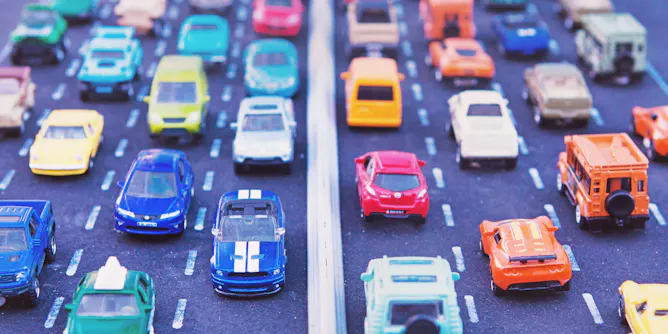
Life cycle assessments of electric vehicles show that they cannot fully eliminate the greenhouse gas emissions of personal travel. We also need bikes, buses and trains to solve our climate problems.
Articles on Trains
Displaying 41 - 60 of 85 articles
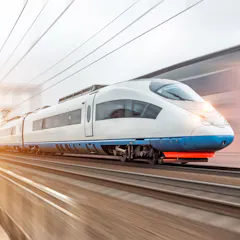
Hyperloop might still be a dream but new technologies promise to make trains faster and safer.

There’s a strong case for more strategic local manufacturing. There’s little case for making cars and trains in Australia.

New bike lanes are a good idea for health and air quality, but the convenience of car travel for most journeys will remain.
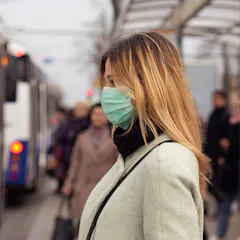
Masks protect you from infection and protect others from getting sick. But authorities are leaving it up to individuals to decide if they want to wear masks on the bus or train. Here’s how to decide.
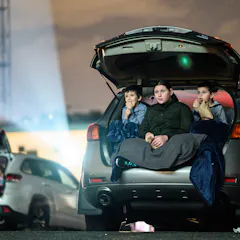
The pandemic has forced many people to shift from public transport to car travel. But is this likely to be permanent?
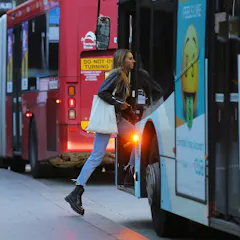
Social distancing isn’t really compatible with public transport – especially during peak times. So how can we stay safe if we’re starting to take public transport again?
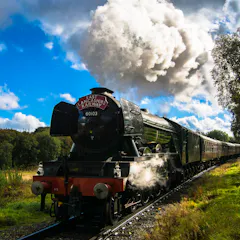
The UK cannot wait 30 years for a modern rail network.
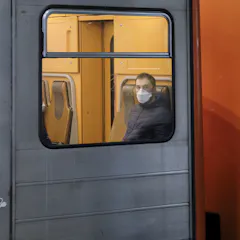
Many operators have lost almost all their fare revenue. Even those who operate on contract terms that reduce the impact of falling patronage must bear the costs of disinfection and other precautions.
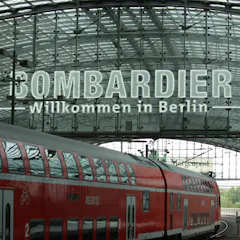
Building infrastructure takes time. To develop sustainable transportation, Canada needs to invest in high-quality infrastructure that will enable us to make environmentally friendly travel choices.
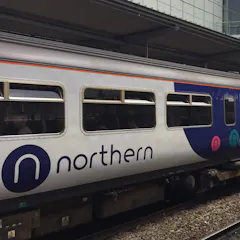
The privatisation of the UK’s railways has been fraught with problems but it can’t get any worse for Northern’s passengers.
Since 2019, night train networks have seen a remarkable revival across Europe.
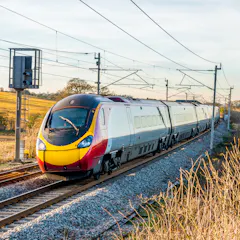
The future of zero-carbon transport starts today. First stop, Britain’s railways.
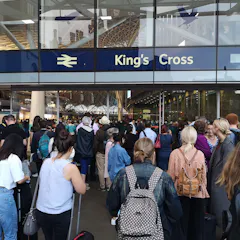
Late trains, anxiety, stressful commutes, disruption to family life – just some of the woes of train customers.

An ambitious new train would link resorts like Cancun to inland ancient ruins and colonial towns. That means laying rail across 932 miles of dense jungle, pristine beach and indigenous villages.
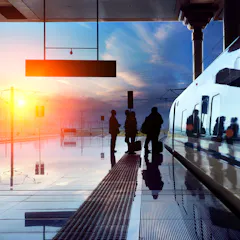
How far would you go to limit your carbon footprint?

More than half a century after the first high-speed trains began running overseas, Australia is still waiting for the long-promised service. Right now, faster rail is a better short-term prospect.

Driverless cars will form a fast, efficient transport network, which will make car ownership redundant. But they could also spell the end of public transport.
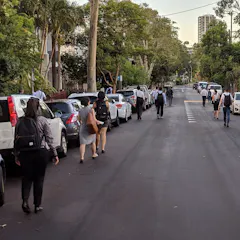
In Sydney, 44 of 178 train stations have a single side entrance. It adds up to 12 minutes of daily travel time for people walking the long way to their platform. It’s enough to make some drive instead.
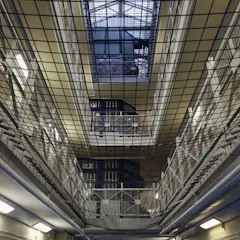
A recent damning report on probation shows the need to reassess outsourcing by the public sector.
Top contributors
-

Visiting Research Fellow, Intelligent Mobility, Manchester Metropolitan University
-
Professor of Operations Management, Manchester Metropolitan University
-
Senior Fellow, Centre for Free Expression, Toronto Metropolitan University; York University, Canada
-
Professor in Transport Planning, University of Westminster
-
Honorary Principal Fellow, University of Wollongong
-
Researcher in Transport Policy and Governance, UCL
-
Professor of Sustainability, Curtin University
-
Associate Professor of English, University at Buffalo
-
Postdoctoral Fellow in Studying Complex Systems, Stanford University
-
Professor of Transport, University of Sydney
-
Associate Professor, Epidemiology, Deakin University
-
PhD Candidate, Faculty of Architecture, Building and Planning, The University of Melbourne
-
Professor of Engineering Dynamics and Vibration, University of Cambridge
-
Professor of Construction and Environmental Assessment, The University of Melbourne
-
Emeritus Professor in Sustainable Urbanism, Swinburne University of Technology