

A growing body of research shows electronic monitoring rarely improves performance and reliably increases employee stress and distrust.
Articles on Tracking
Displaying 1 - 20 of 34 articles

Fitness trackers often privilege steps over strength, rest and context, which can leave some users with a distorted view of health.
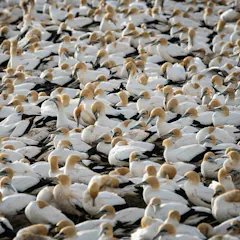
The use of artificial intelligence tools is among the top emerging issues in biodiversity conservation.

Unless you go completely offline, you cannot completely eliminate the risk of being tracked.
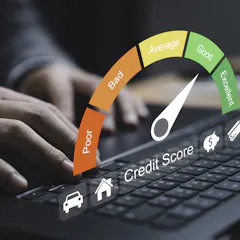
Scores are ubiquitous today, from data in parenting apps to fitness monitors. For some users, those scores start to shape a sense of right and wrong.
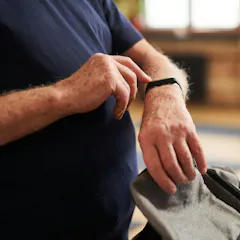
Continuous tracking using real-time location systems is becoming increasingly common in hospitals and long-term care homes, raising questions about ethics and data use.
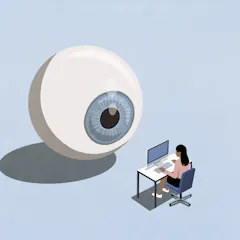
Many of the apps and social media platforms you use every day may not charge you money, but often there is a price to pay – your privacy.
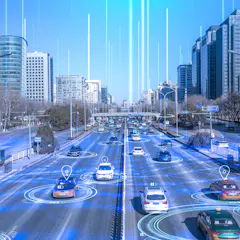
Internet of Things devices are collecting an increasing amount of information, creating a web of data harvesting that ensnares people all around them.
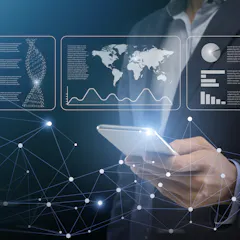
AI tools that provide information to you also gather lots of information from you and may provide it to third parties.
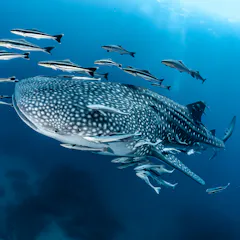
Almost 400 scientists from around the world came together to understand the movements of large marine mammals, using 30 years of satellite tracking data.
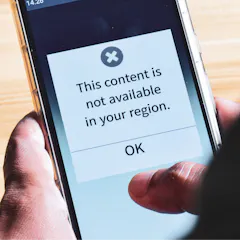
VPNs are becoming a popular option for people wanting to access overseas content. But they’re much more than that – and sometimes legally murky.
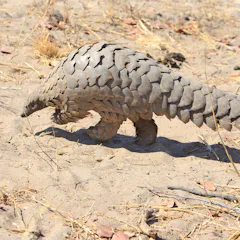
No fossilised pangolin tracks had been recorded anywhere in the world until a track was found in South Africa, dated to between 90,000 and 140,000 years ago.

A monitoring approach led by wildlife rangers could make for better counting of lions in many parts of their African range.

Using cameras and trackers attached to Australian sea lions, we explored previously unmapped ocean habitats off the South Australian coast. The data also fed into predictive computer models.

Research on streaming maths classes shows we need to think much more carefully about this very common practice.

A streak can motivate you to keep on keeping on with behaviors ranging from praying to running to sharing pictures on social media. Here’s what goes into making them so compelling.

Many animal species can be detected using a simple, low tech method of collecting DNA from the environment.

Emergency alerts system: a lifesaving service or a threat to privacy?

Cookie notifications remind people that they are being tracked, which affects how people behave online.

In middle school classes, students from lower-income families tended to be concentrated in just a few classrooms, new research from North Carolina has found.
Top contributors
-

Joint Research Fellow, Centre for Ecosystem Science, UNSW and Australia Nuclear Science Technology Organisation, UNSW
-
Associate professor, Department of Recreation and Leisure Studies, Brock University
-
Lecturer, Adelaide University
-
Professor of Distributed Systems & Chair in Applied Data Sciences, Queensland University of Technology
-
Group Leader, Networks Group. CyberPhysical Systems Research Program, CSIRO
-
Executive Director, Arizona State University
-
Research Scientist, University of Sydney
-
Professor and Ken Croft Chair in Management, Haskayne School of Business, University of Calgary
-
Associate professor, Australian Catholic University
-
Associate Professor of Electrical Engineering, Computer Science, Biomedical Engineering, Radiology, and Psychiatry and Behavioral Sciences, Vanderbilt University
-
Lecturer, Queensland University of Technology
-
Senior lecturer, The University of Melbourne
-
Director of Consumer Privacy, Center for Internet and Society, Stanford University
-
Associate Professor of Organizational Behaviour and Human Resources, University of Calgary
-
PhD Candidate, Rehabilitation Science Institute, University of Toronto