
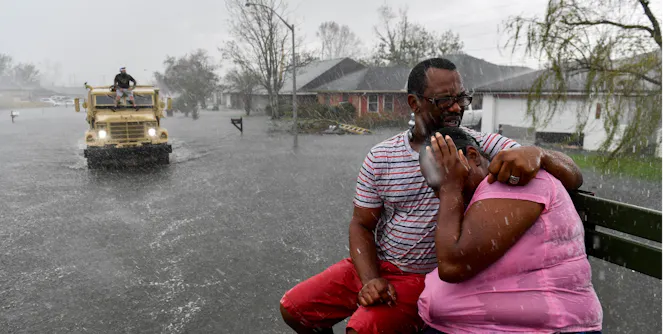
A hurricane that wreaked havoc from Louisiana to New York City, the Texas freeze and devastating western wildfires topped NOAA’s list of billion-dollar disasters in 2021.
Articles on Tornado
Displaying 21 - 40 of 45 articles
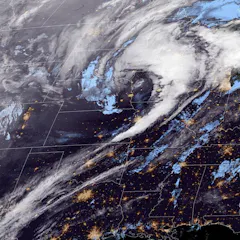
Forecasters described it as a ‘historical weather day.’ An atmospheric scientist who was at the heart of the storms explains what happened.
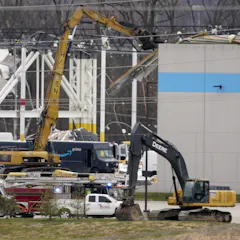
The deaths of six Amazon employees at a factory hit by a tornado raises concerns over prohibitions on cellphones for workers.

Climate models can’t see tornadoes, but they can recognize the conditions for tornadoes to form. An atmospheric scientist explains what that means for forecasting future risks.
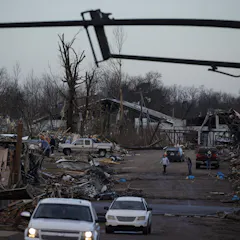
Tornadoes in December aren’t unusual in the Gulf Coast and lower Mississippi Valley states, but the Dec. 10-11 outbreak was extreme and far-reaching.
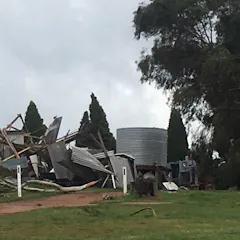
Australia has expansive areas of flat land — usually agricultural land — and it’s over these large, flat areas that tornadoes like to form.
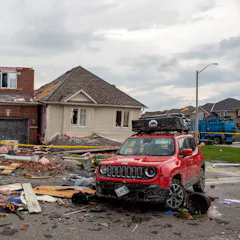
Current building codes do not include the most efficient way to keep houses standing and intact during tornadoes.
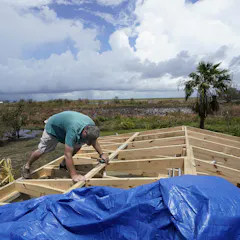
Federal weather scientists are pushing to make the US more ‘weather-ready,’ which could mean prepping for fires, flooding or storms depending on where you live. The common factor: thinking ahead.
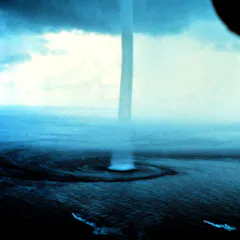
While land tornadoes are associated with huge supercell thunderstorms, waterspouts can form during smaller storms or even just showers or the presence of the right kind of clouds.

Misunderstanding disaster warnings can have catastrophic consequences for people who don’t speak the language used for emergency communications.
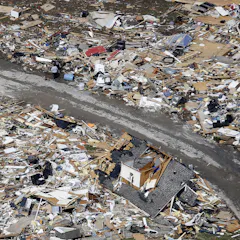
With the onset of spring come thunderstorms, and sometimes tornadoes. Learn how these systems form and why night tornadoes are especially deadly.
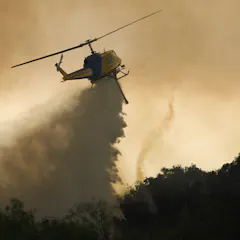
Persistent heat waves and dry lightning are part of the problem. For firefighters, the erratic behavior gets dangerous quickly.
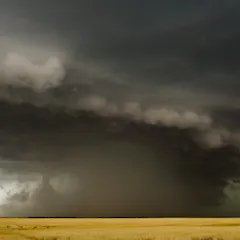
Hurricane and tornado winds spin in circles, but there’s another, equally dangerous storm type where winds barrel straight ahead. They’re called derechos, and are most common in summer.
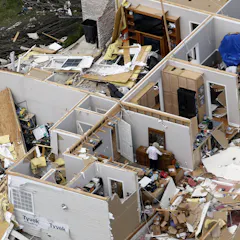
In the Southeast US, tornadoes strike at night more often than in other regions. This poses special challenges for getting early warnings to the public.
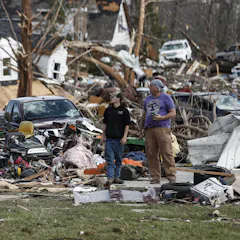
Donated goods often not only fail to help those in actual need but cause congestion, tie up resources and further hurt local economies.

Government agencies have detailed plans for responding to disasters, like the Dec. 10-11, 2021 tornados. But one issue doesn’t get enough attention: cleaning up the mess left behind.
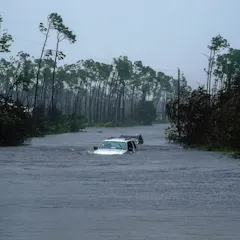
The usual way we calculate the economic damage of natural disasters underestimates their true toll – which is key to understanding the costs of climate change.
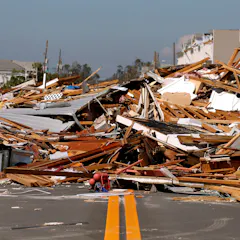
With hurricane season comes the usual efforts by insurance companies and government agencies to calculate the economic costs. An economist explains how they’re doing it wrong.
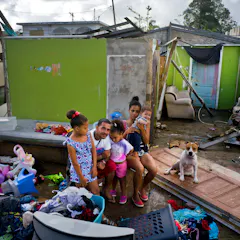
Charitable giving and government aid can shortchange disasters that follow other disasters.
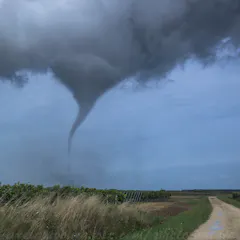
European tornadoes may not come along as often as their US counterparts but they are a real threat and need to be taken seriously.
Top contributors
-

Professor of Meteorology, Senior Associate Dean for Undergraduate Education, Penn State
-
Professor of Geography, University of Tennessee
-
Assistant Professor of Geography, Middle Tennessee State University
-
Distinguished Professor of Meteorology, Penn State
-
Assistant Professor, Florida A&M University-Florida State University College of Engineering, Florida State University
-
Professor of Atmospheric Science, Iowa State University
-
Associate Professor of Meteorology, Central Michigan University
-
Assistant Professor of Nursing, University of Michigan
-
Professor of Civil Engineering & ImpactWX Chair of Severe Storms Engineering, Western University
-
Professor of Economics and Environmental Studies, Wesleyan University
-
Professor of Urban Engineering, University of Illinois Chicago
-
Professor of Atmospheric Science and Colorado State Climatologist, Colorado State University
-
Director, Global Waste Research Institute, California Polytechnic State University
-
Associate Professor of Meteorology and Atmospheric Sciences, The Ohio State University
-
Associate Professor of Atmospheric Science, Texas A&M University