
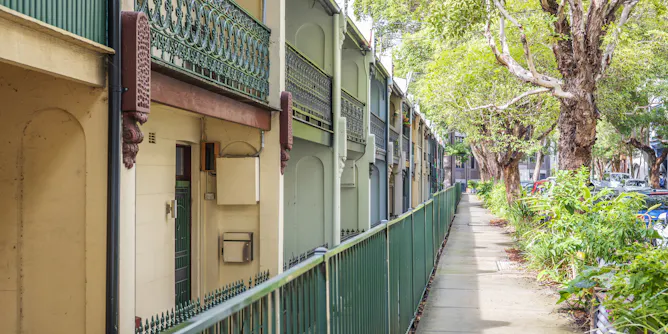
Older homes are colder homes. There’s a huge energy performance gap between newer and older homes – and it costs a lot.
Articles on Thermal comfort
Displaying all articles
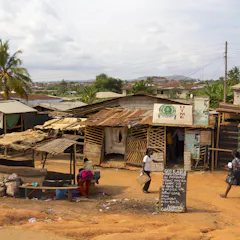
International standards may require expensive systems like air conditioning to achieve comfort. But low-cost solutions like mud and adobe walls can be effective.

Double-glazing keeps homes at pleasant temperatures without much need for heating or cooling. But history and cost mean they’re rare in Australia.

Formula One racing suits do much more than protect drivers from fire. In fact, they could determine who stands on the podium.
We know what needs to be done, but it depends on the political will to act. And some states and territories have failed to adopt actions to improve housing quality that were agreed in 2022.
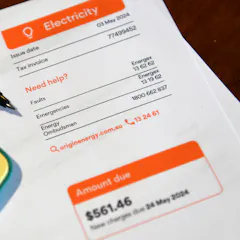
In theory, time-of-use pricing should nudge households to use electricity when it’s cheaper and more plentiful, saving on bills and grid costs. In practice, it isn’t working well for many households.
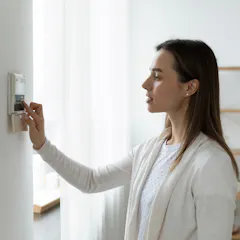
While running it briefly and intermittently at a very low temperature may feel thrifty, it will not be the most energy efficient choice. Here’s what to do instead.
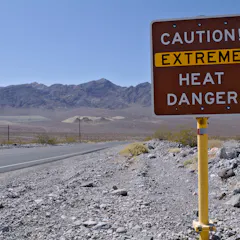
Simply put, southern Africans are experiencing heat stress more often than in 1979.
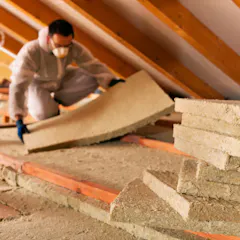
Past claims about the costs of 5-star and then 6-star home energy ratings were overblown. We are hearing similar claims about the new 7-star standard, but good design makes it a good deal for owners.

Employers can foster equity in the workplace by relaxing current dress codes or providing employees with individual thermostat control and other means to improve their comfort.
Housing standards in Australia have slipped behind the rest of the world. But momentum is growing to revive past ambitions to build the best homes we can.
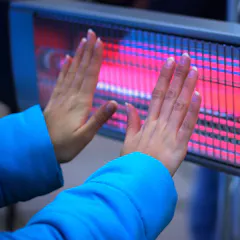
It’s been unusually cold, and energy prices are soaring. That spells trouble for the quarter of Australians who have very cold homes.
Top contributors
-

Associate Professor in Property, Construction and Project Management, RMIT University
-
Professor of Housing Research, Adelaide University
-
Associate Professor in Architecture, Adelaide University
-
Senior Lecturer and Horizon Fellow, School of Social and Political Sciences, University of Sydney
-
Professor in Building Engineering, Carleton University
-
Senior Lecturer of Physical Geography and GIS, University of the Free State
-
Adjunct Research Fellow, School of Archaeology and History, La Trobe University
-
Associate Professor in Housing, School of Property, Construction and Project Management, RMIT University
-
Professor of Physical Geography, University of the Witwatersrand
-
Researcher, Agricultural Research Council
-
Senior Research Scientist, CSIRO
-
Postdoctoral Research Fellow, Australian Centre for Housing Research, Adelaide University
-
PhD Candidate, Building Engineering, Carleton University
-
Emeritus Professor, Urban Planning and Policy, University of Sydney
-
Professor of Energy, Environment and Health, UCL