
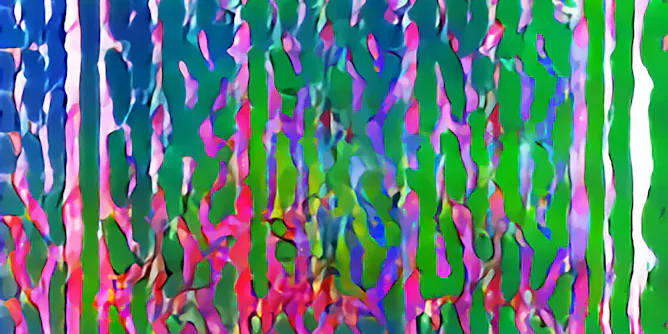
An algorithm named AICAN has been ‘taught’ the entire canon of Western art history – and now produces, titles and sells works of its own.
Articles on The Conversation's Instagram
Displaying 61 - 80 of 111 articles
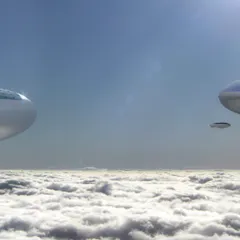
The upper atmosphere of Venus is the most Earth-like extra-terrestrial location in the solar system. It could even host life.
People who are more open-minded seem to be less bothered about closure.

Famously feminized by the Nazis – and later used in prison cells to limit aggression in inmates – the color pink toes a shaky line between social psychology and gender stereotyping.

From wealth, to the natural world, to genes and intelligence, a podcast exploring the theme of inheritance.

Living as a woman in North Korea can be psychologically and physically gruelling.

Everybody benefits from more resilient children.

Dogs have the same hormones and experience the same chemical changes that humans do.
The US opioid epidemic killed more than 40,000 people in 2016 – now, other countries are at risk.
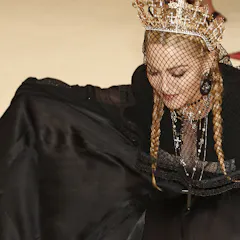
Happy birthday Ms Ciccone – you redefine age.

Taj Mahal is one of the most beautiful buildings in the world, but over the last four centuries it has aged and darkened from pollution.

A crate digger essentially builds a personal library of sonic texts that often can’t be found on the internet or in official archives.

The blood moon myths are many and varied, but, at the end of the day, it’s just an eclipse.

Farm animals are the subject of WHO initiatives around antibiotics, but domestic pets could actually be a bigger risk.

From the 1930s to the 1960s, ‘The Negro Motorist’s Green Book’ and ‘Travelguide: Vacation and Recreation Without Humiliation’ offered African-American roadtrippers lists of black-friendly businesses.

The final word on omega 3 supplements and heart health.

Social farms provide health, social and educational care to disadvantaged young people.

It’s less about making more friends and more about changing the way we see the world.

The changing aesthetics of protest allow many more voices to be heard.
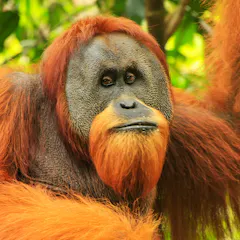
Time to rethink orangutan conservation, now we know that our red relatives are actually very adaptable.
Top contributors
-

Fellow, Keele University
-
Mental health researcher, University of Cambridge
-
Senior Lecturer in Geography, University College Dublin
-
Reader, Departments of Biology and Mathematics, University of York
-
Animal Geographer, Keele University
-
Professor of Archaeometry, University of Southern Denmark
-
Senior Lecturer and Researcher in Cognitive and Parapsychology, Manchester Metropolitan University
-
Professor of Fine Art, Cardiff Metropolitan University
-
Principal Lecturer in Wildlife Conservation, Nottingham Trent University
-
Head of the Department of Water Resources, Can Tho University
-
Professor of Primate Biology, Liverpool John Moores University
-
Senior Lecturer in Sport and Exercise Science, University of Essex
-
Professor of International Politics at Institute for Diplomacy and International Governance, Loughborough University
-
Senior Lecturer in Physics, Nottingham Trent University
-
Professor in International Relations, Head of Inclusion and Development, Aston University