

Young people and those with trauma, such as veterans, are especially vulnerable to the difficulty of stopping cannabis use for sleep.
Articles on Teens and sleep
Displaying all articles

Even one night of inadequate sleep can shift your hunger into overdrive, setting off a chain reaction in the brain. But one or two nights of solid sleep can help reset metabolism.

Parents are regularly told to limit their children’s screen time during the evening. But new research suggests it is using digital devices while in bed that is the bigger problem.

Exposure to screens before bedtime can contribute to chronic sleep deprivation, which raises the risk for anxiety, depression and even suicidal thoughts.

The issue of poor sleep needs particular attention in the context of Aboriginal and Torres Strait Islander teenagers who have high rates of poor health, social and emotional well-being and education.

A few one-off late nights and sleep-ins won’t hurt, but it’s best not to fall completely off the bedtime routine wagon during the holidays.

Sound sleep, for long enough every night, with consistent bed and wake-up times are critical for kids’ health. A child development expert suggests some overarching tips to help get you there.

We found being a night owl increased the risk of having behavioural problems and delayed brain development in later adolescence.

Could we capitalize on disruption schedules during the pandemic to make evidence-based changes in school start times to improve teens’ sleep?

New South Wales recently announced it would trial different start and finish times for various year levels in primary schools. There are many benefits to this approach.

Getting a good night’s sleep on a regular basis can help you do well in school or at work. It might even make you better-looking.

COVID-19 is affecting many people’s state of mind, but some of the most vulnerable members of our communities are children and youth with pre-existing mental health challenges.

Since caffeine is in so many different foods and drinks, it’s easy for kids – or grownups – to get more than they should without realizing it.

Many adolescents have trouble sleeping - but limiting screen use is not the solution. When used correctly, bedtime use of devices can be beneficial to mental health, without harming sleep quality.

Few things seem to matter to our health as much as a good night’s sleep, but fewer and fewer of Americans are getting it. A neurologist explains why sleep is so important.

A wake-up call for early school mornings?
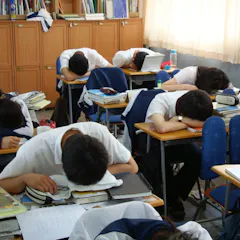
Sleep deprivation in teenagers as a result of early morning school starts has been a topic of much debate. There’s more to this issue than just laziness.
Top contributors
-

Associate Professor of Neurology, University of Pittsburgh
-
Director of POCHE Centre for Indigenous Health, The University of Queensland
-
Associate Professor of Educational Psychology, Wayne State University
-
PhD Candidate in Psychology, University of Glasgow
-
Associate Professor of Psychology, Florida International University
-
Senior Research Fellow, Thompson Institute, University of the Sunshine Coast, University of the Sunshine Coast
-
Associate Professor of Nutrition; Director, Nutrition and Health Research Laboratory, University at Buffalo
-
Emeritus reader in science education and communication, University of Sussex
-
Lecturer in Psychology, University of Glasgow
-
Professor of Pediatrics, School of Medicine, University of Washington
-
Senior Research Fellow in Organizational Leadership, Policy and Development, University of Minnesota
-
Vice Chair, Department of Neurology, University of Florida
-
Associate professor, Psychiatry, Western University
-
Senior Research Fellow, Psychiatry, The University of Melbourne
-
Senior Project Coordinator, The University of Queensland