
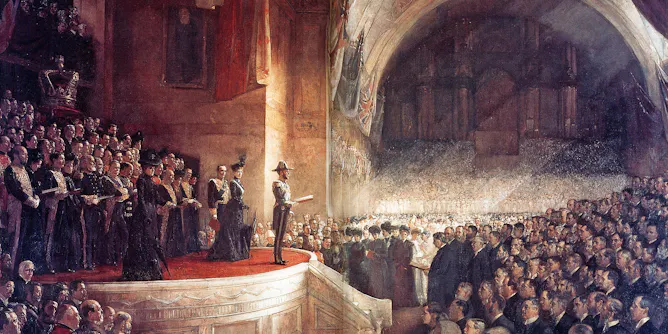
Despite improvements to their content over time, secondary school history textbooks still imply that ‘real’ Australians are white.
Articles on Teachers
Displaying 381 - 400 of 584 articles
Video games have been helping kids to learn for years, here’s how.

Gamification in schools teaches children that they should expect their every move to be watched, rated, and possibly shared publicly.
When it comes to bullying, there is a common misconception that children neatly fall into a category of bully, victim, or not involved. This is not the case.
Why a common sense approach is needed when it comes to autism and primary school tests.
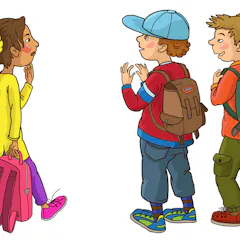
Child refugees talk about their experience of transitioning into a new high school in Australia.
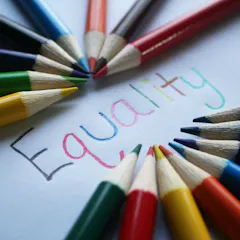
Sexual equality should not be mere letters and words in laws. Rather, people - in this case student teachers - must understand sexual equality as a lived reality.
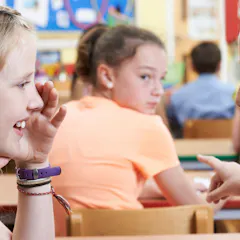
Fear of repercussions and the feeling of not being taken seriously are two reasons why children who are bullied don’t seek help from teachers.
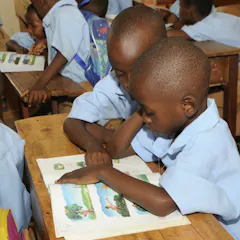
Textbooks in sufficient quantities are effective in improving the quality of education but in Africa language poses a problem to how pupils interact with the material they are taught.
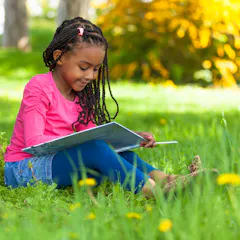
Research shows that providing children with eReading devices can actually inhibit their reading.
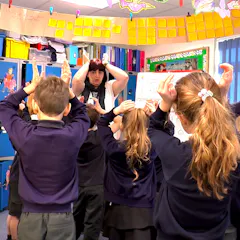
Why we need more physical activity in the classroom.
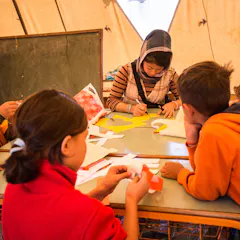
Child refugees need to have access to quality language programs so they have a chance at doing well at school - and teachers also need to be given appropriate training.
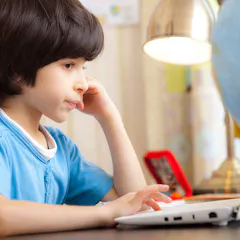
Fragmentation, inconsistency and a lack of accountability between alternative education providers means not all young people get access to a good education.

Public schools are spaces in which equality can either be supported or weakened.
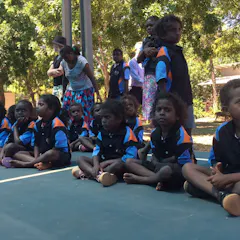
Focusing on the opportunity to learn gap removes the emphasis from locating “the problem” in the person, and turns our attention to the differences in access to educational resources.
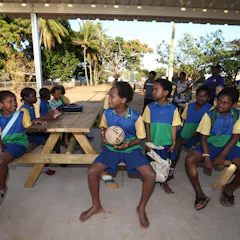
Redesigning staffing policies will attract and retain high-quality teachers in the schools that need them most.
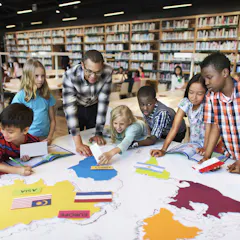
Our current way of assessing students doesn’t let them see the progress they are making over extended periods of time.
Our enemy is complacency – blaming the post-codes, fixing the students not the system, and arguing for more resources to continue what is not working.
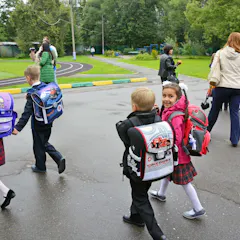
Attending early education and getting learning support from parents can really help get children ready to start school.

But can they improve pupils’ behaviour?
Top contributors
-

Associate Professor in Language, Literacy and TESL, University of Canberra
-
Senior Lecturer in Health and Physical Education, University of Tasmania
-
Associate Professor in Education, UNSW
-
Professor, Melbourne Graduate School of Education, The University of Melbourne
-
Professor of Inclusive Education, PVC Dean Arts, Humanities, Education and Social Sciences, Anglia Ruskin University
-
Professor of Education and Public Policy, Durham University
-
Professor of Social Impact, University of Technology Sydney
-
Director, Field Experience (Community-Based), Werklund School of Education, University of Calgary
-
Emeritus Professor, Faculty of Education, Stellenbosch University
-
Laureate Professor of Education, Director Teachers and Teaching Research Centre, University of Newcastle
-
Professor Emeritus Melbourne Graduate School of Education, The University of Melbourne
-
Professor of Learning Sciences, Monash University
-
Director, Nottingham Institute of Education, Nottingham Trent University
-
Senior Lecturer in Educational Leadership & Management, Department of Education & Professional Studies, King's College London
-
Professor of Educational Leadership and Policy Studies, School of Education, University of Nottingham