
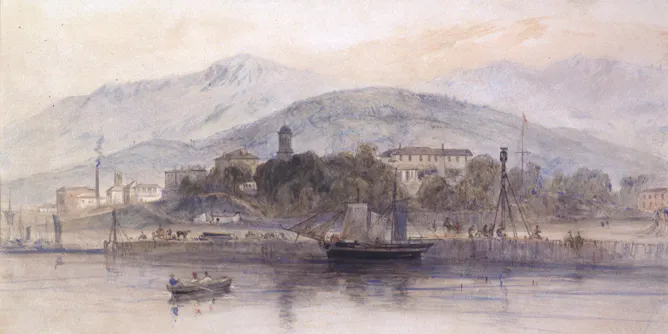
Along with British and Irish convicts, 627 free men, women and children were transported to the 19th-century penal colonies of Van Diemen’s Land. Their stories, mostly forgotten, are moving.
Articles on Tasmanian history
Displaying all articles
Eliza Batman has remained largely a footnote to her husband, whose dark deeds in the war over land are now well-known. How should we remember her today?
Until recently, little was known of the history of the children convicts brought with them to Australia, or gave birth to while under sentence. Their stories are moving.
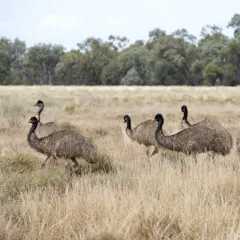
Tasmania’s emus were hunted to extinction in the mid-1800s but we could have them back – and their return could help other species survive climate change.
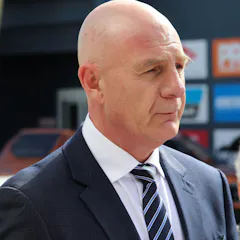
Gutwein left saying he had held the ‘best job in the world’ but the responsibility had taken its toll and he had ‘nothing left in the tank’.
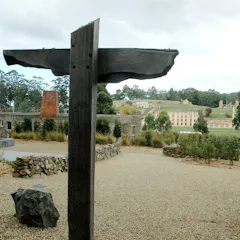
A film about the shootings is likely to be very distressing for people directly impacted by the massacre, particularly those who still have PTSD or strong grief responses.

A grave stands in Bicheno, paid for by locals in the 1800s. It stands as a testament to the lifesaving ocean feats and tragic life of Indigenous woman Wauba Debar.
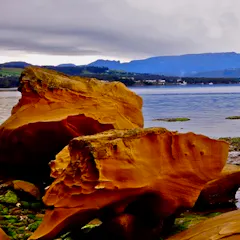
Alone and adrift in Melbourne, Cassandra Pybus returned on a whim to her childhood home of Tasmania. There, she rediscovered nature’s power, encountering the island’s difficult history as well as her own.
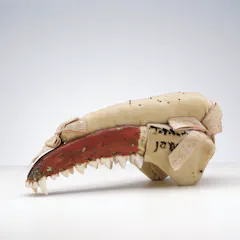
A new book connects disparate objects and texts to tell the story of Tasmania. It is an inspired enterprise.
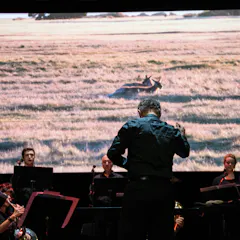
A Tasmanian Requiem brings together Western and Aboriginal voices to confront the violence of the state’s Black War. It shows what a historical reckoning, and reconciliation, might look and sound like.
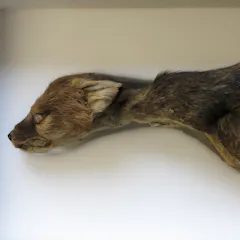
More than 160 thylacine specimens lie in museum collections in the UK. The sight of their bodies is a shocking reminder of loss.
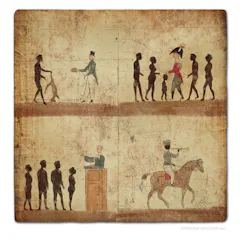
In the early days of colonial Tasmania, the British used threatening picture boards to communicate with Aboriginal people, giving them a choice between conciliation and death.
Top contributors
-

Professor in History, University of Tasmania
-
Matthew Flinders Professor, Flinders University
-
Adjunct Professor in History, University of Tasmania
-
Associate Professor of Sport Management, University of Technology Sydney
-
Research Associate / Teaching Fellow, ARC Centre of Excellence for Australian Biodiversity and Heritage (CABAH), University of Tasmania
-
Senior Lecturer in Musicology, Conservatorium of Music, School of Creative Arts and Media; Adjunct Senior Researcher, Institute for Marine and Antarctic Studies, University of Tasmania, University of Tasmania
-
Associate Professor in English, University of Tasmania
-
Professor & Director of Traumatic Stress Clinic, UNSW
-
Post Doctoral Research Fellow, University of Technology Sydney
-
Casual Academic, University of Tasmania
-
Adjunct researcher, Flinders University
-
Lecturer in Criminology, University of Tasmania
-
Professor of Wildlife Conservation, University of Tasmania
-
Research Associate, ARC Centre of Excellence for Australian Biodiversity and Heritage (CABAH) Policy Hub – Training and Education, University of Tasmania
-
Emeritus Redmond Barry Distinguished Professor, The University of Melbourne