
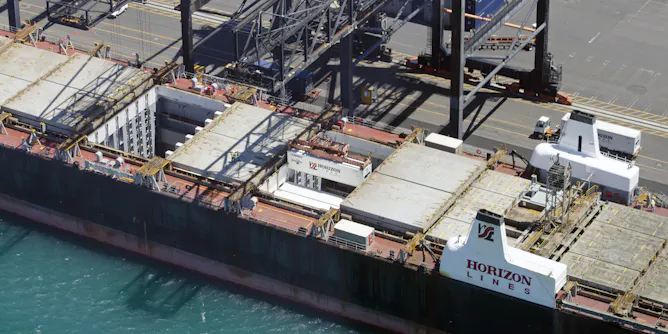
As of 2022, only Nigeria and Sudan had lower trade-to-GDP ratios.
Articles on Tariffs
Displaying 241 - 260 of 367 articles
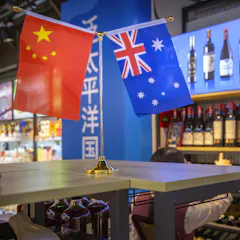
Australian wine producers will face stiff competition and a significantly smaller market.
Some people think the decision to impose higher tariffs is just an excuse used by the EU to keep protecting its own farmers.
Imported hand tools, fridges, dishwashers, clothing, and menstrual and sanitary products to be cheaper from July 1.
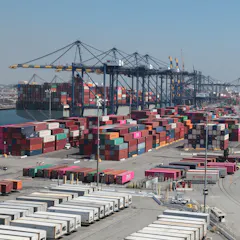
The recent World Trade Organization conference in Abu Dhabi has again failed to resolve any of the big issues on the table. Power relations rather than rule-based negotiation will fill the void.
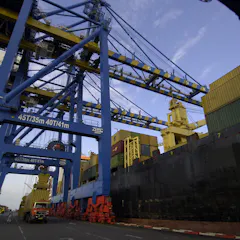
The policy is the latest strategy to grow Ghana’s weak industrial base.

Without warning, at 7pm on July 18 1973, Prime Minister Gough Whitlam slashed every single import tariff at once – starting at midnight. It’s the kind of bold political leadership we rarely see today.
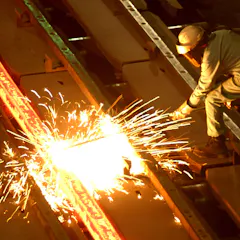
Both sides have reason to find common ground, says a group of energy and climate policy analysts.
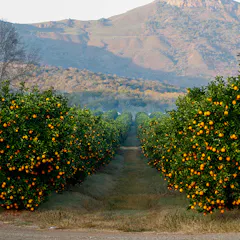
The new rules are de facto non-tariff barriers to trade. They increase trade costs for South Africa’s citrus industry.
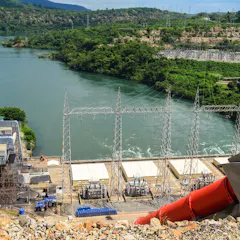
Ghana’s power sector is mired in debt and excess production.
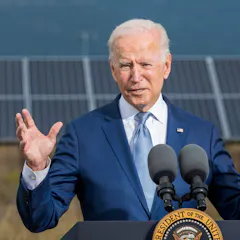
Other presidents used the Defense Production Act to boost fossil fuel supplies. Biden is now using it to boost clean energy. But just ramping up production isn’t enough to succeed.

Only 13% of US solar industry jobs are currently in manufacturing. The Biden administration hopes the sector will grow fast, but that might not be so simple.
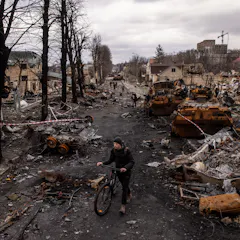
With evidence mounting of Russian war crimes in Ukraine, what options beyond trade sanctions should New Zealand now consider?
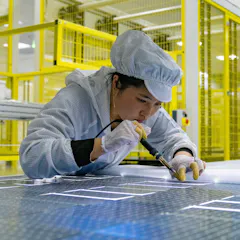
The tariffs targeting cheap Chinese imports mean prices in the US are higher than average, at the same time Biden is pushing for more renewable energy. But their effect might surprise you.

Europe’s forests are growing, but tropical areas are losing tree cover at a massive scale due to EU demand for imported products. Here’s how to redress the imbalance.
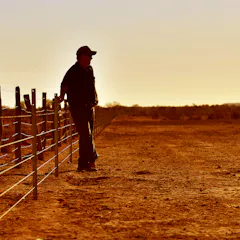
Adopting more environmentally conscious farm models would safeguard our agricultural exports, cut emissions and help protect nature.
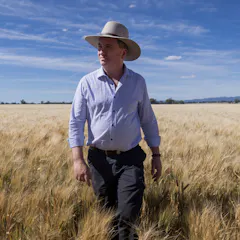
Barnaby Joyce’s pro-mining stance is at odds with the more progressive quarters of the party, and puts the Nationals in a difficult position on global carbon tariffs.
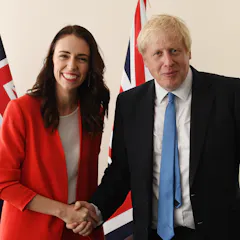
With Britain keen to make post-Brexit deals, New Zealand can expect favourable terms from a trade agreement – anything less will be a failure.

For the UK to exit the EU on genuine Australian, no-deal or WTO terms, the British government would need to reject the WA/NIP. This now appears unlikely.
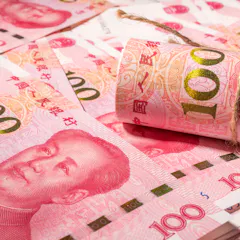
The recently signed RCEP trade agreement encourages even closer ties with China, but this puts New Zealand’s long-term interests at risk.
Top contributors
-

Professorial Fellow, University of Canberra
-
Professor, and Executive Director: Institute for International Trade, and Director of the Jean Monnet Centre of Trade and Environment, Adelaide University
-
Associate Professor of Political Science, Georgia State University
-
Senior Research Fellow, Institute for International Trade, Adelaide University
-
Distinguished Professor, Arthur J. Gosnell Professor of Economics, & Head, Department of Sustainability, Rochester Institute of Technology
-
Professor of Trade Law and Taxation, Queensland University of Technology
-
Associate Professor of Economics, University of South Carolina
-
Emeritus Professor of Law, University of Auckland, Waipapa Taumata Rau
-
Professor of Economics, University of Minnesota Duluth
-
Associate Professor of Agri-Food Trade and Policy, University of Guelph
-
Professor of Economics, Auckland University of Technology
-
Honorary Research Fellow, City Political Economy Research Centre, City St George's, University of London
-
Professor Emeritus of Economics, Babson College
-
Senior Lecturer in Economics, Bournemouth University
-
Professor of Law and Director of the UOW Transnational Law and Policy Centre, University of Wollongong