

Cruise liners are back and demand is reportedly strong. But given their environmental impact and relatively low economic benefit, how sustainable is this kind of tourism?
Articles on Sustainable tourism
Displaying 21 - 40 of 47 articles
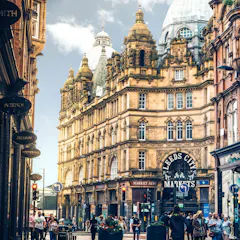
Tourism, when co-created with refugees and asylum-seekers, can be a powerful tool for dismantling anti-immigrant attitudes.

A return of mega cruise liners would go against the government’s express desire to create a new, sustainable tourism model.

With tourism operators desperate for the return of international visitors, the industry’s challenge now is to build a new, sustainable model.

Derby in northeast Tasmania should be a story of hope for mining communities seeking to transition to a sustainable future. But logging threatens that vision.
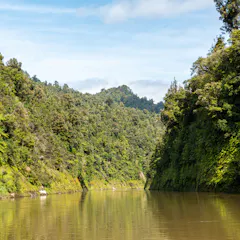
The Māori world view provides a viable framework for building a new tourism model that prioritises quality over quantity.

Our analysis shows most tourist accommodation — be it Airbnb or traditional hotel accommodation — comes with sizeable greenhouse emissions.

A departure tax based on length of stay, not distance travelled, would be a more effective sustainable tourism strategy.

Given its environmental damage, tourism must seriously reconsider its purpose in a post-pandemic world.
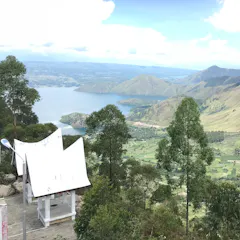
Urat village is one of Indonesia’s many potential for rural tourism. However, study finds that indigenous people still feels left out to develop their own tourism business in their own areas.

The travel crisis caused by COVID-19 is also an opportunity to end the worst excesses of international tourism for good.
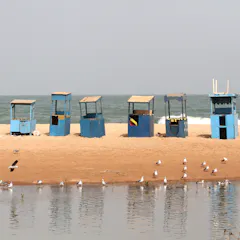
Developing countries that depend heavily on tourists need international support, and more sustainable offerings for the future.

Now that we are gradually emerging from lockdown, we don’t have to return to our old rushed way of living.

The same business model that has enabled the cruise industry to prosper could also spell its demise.

The COVID-19 crisis is an epic disaster for the global travel industry. But we shouldn’t try to return to business as usual.

Technology and data are being harnessed to increase productivity in cities, but there also need to be ‘slow moments’, when people can pause to enjoy their surroundings.

Even before the British billionaire invested US$1 billion in making the region ‘climate-smart,’ Jamaica, Barbados and Dominica were pioneering a renewable energy boom in the Caribbean.

As many of the world’s most popular tourism destinations are overrun by visitors, operators could pay attention to the UN’s sustainable development goals.

New findings show that the numbers of cubs a cheetah is able to rear is lower in areas that receive lots of tourists.
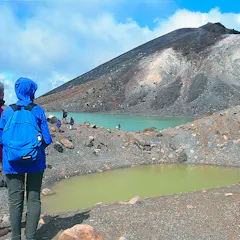
New Zealand’s wildlife and natural wonders are major draw cards for tourists, but tourism companies operating in national parks contribute little to conservation.
Top contributors
-

Professor of Development Studies, Te Kunenga ki Pūrehuroa – Massey University
-
Professor of Tourism, Griffith University
-
Adjunct professor and adjunct senior lecturer in tourism management, Adelaide University
-
Honorary Research Associate, Te Kunenga ki Pūrehuroa – Massey University
-
Professor of Sustainability Marketing, University of Surrey
-
Senior Lecturer in Marketing, University of Nottingham
-
Professor of Sustainable Tourism, Griffith Institute for Tourism, Griffith University
-
Associate Professor in Sustainability and Public Policy, Te Herenga Waka — Victoria University of Wellington
-
Senior Research Associate, The University of Melbourne
-
Associate Professor of Environmental Management, University of Waterloo
-
Senior Lecturer in Hospitality and Tourism Management, University of Strathclyde
-
Professor in environmental psychology, School of Ecosystem and Forest Sciences, The University of Melbourne
-
Adjunct professor, Tourism, Southern Cross University
-
Lecturer, Universitas Prasetiya Mulya
-
Associate Professor, University of Canberra, Stockholm Environment Institute