
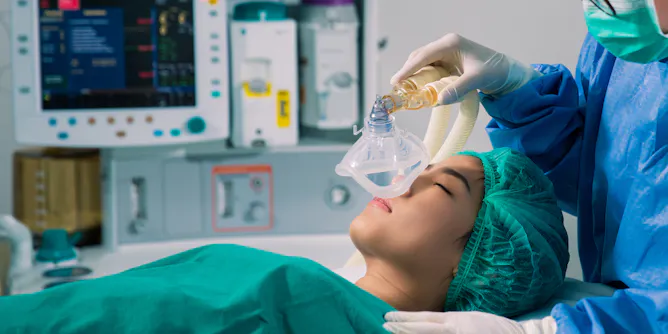
How do anesthetics work, and what makes for an ideal anesthetic? It’s not as mysterious as once believed, and there’s a gas that ticks all the boxes for a perfect anesthetic: xenon.
Articles on Surgery
Displaying 101 - 120 of 159 articles
Author Kate Cole-Adams delves into fascinating questions about consciousness and self.
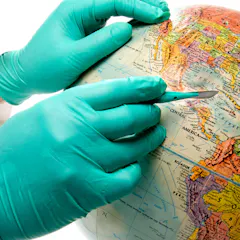
Almost one-third of human disease requires surgery, but most of those people who need surgery are not getting it. Here’s why we need to make surgery more accessible.

Surgeons say minor unintentional damage can happen during surgery, and much of that goes unreported. They say they would be prepared to use robotic tools if they could be shown to help.

Infection of wounds for surgery patients is on the rise in developing countries. A shorter dose of antibiotics is appropriate.

Successfully separating conjoined twins is a complex operation that depends on how they are joined as well as the experience and skill of the surgical team.

Most people don’t know if they have a hidden extra organ. But they’re surprisingly common and often harmless.
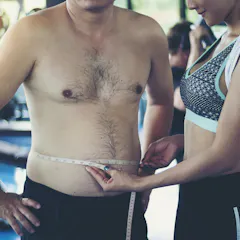
Of the 22,713 weight loss operations performed in 2014-15, about 90% were performed in private hospitals, highlighting the difficulty in accessing this type of surgery through the public system.

If the thought of undergoing surgery fills you with dread, spare a thought for your forebears.

Some people can feel drowsy or can’t concentrate days after an operation. While it’s easy to blame the anaesthetics, the real picture is usually more complicated.
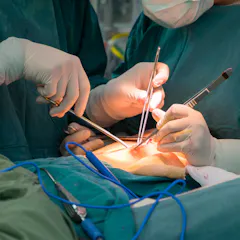
If you’re having a knee or hip replacement this handy tool will be able to tell you about your recovery.
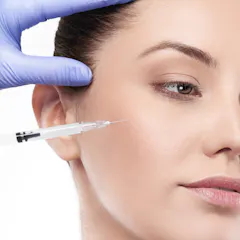
By getting young women hooked before they’ve even formed wrinkles, Botox peddlers have realized they can enlist them in a lifetime of treatment.

Although women like how their genitals look after labial surgery, self esteem and sexual confidence may not improve.

Medical students are using virtual reality to help them learn anatomy. But is it the game changing technology some people say it is?
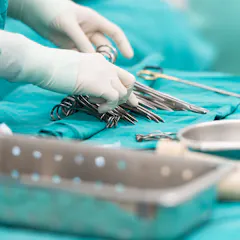
There’s often limited evidence for many common types of surgery. Understanding what makes good evidence is the key to deciding what’s best for you.
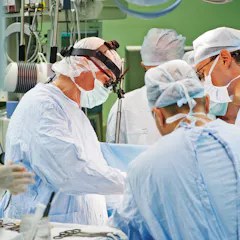
The proportion of female surgical trainees is rising, but at a slower rate than other specialties.
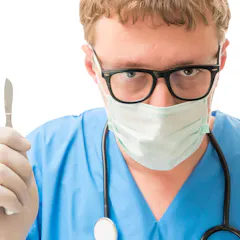
Medical literature is full of stories of people who have operated on themselves. Surprisingly, some lived to tell the tale.
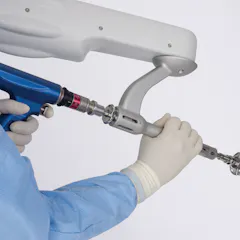
Thousands of hip replacement operations are performed each year, but today is the first time in Australia that a robot will help with the surgery.
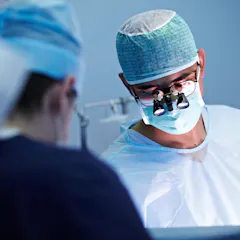
A placebo is an important tool for finding out if a treatment works or not. A dummy pill is one thing, but is it right to perform placebo surgery on someone?

A disease which can mimic the slow march of old age is especially cruel and challenging for those in the prime of life.
Top contributors
-

Professor of Orthopaedic Surgery, UNSW
-
Professor of Anatomy, Lancaster University
-
Associate Professor, Physiotherapy, University of Sydney
-
Professor at Sydney Law School, University of Sydney
-
Professeur Titulaire. École d'optométrie. Expertise en santé oculaire et usage des lentilles cornéennes spécialisées, Université de Montréal
-
Postdoctoral Fellow Global Health, University of California Global Health Institute (UCGHI), Makerere University
-
Honorary Professorial Fellow, Department of Critical Care, Melbourne Medical School, The University of Melbourne
-
Lecturer - Department of surgery Speciality: Plastic & Reconstructive Surgery, University of Nairobi
-
Conjoint Clinical Associate Professor, Deakin University School of Medicine and Specialist Pain Medicine Physician, Deakin University
-
Adjunct Associate Professor, Anatomy, UNSW
-
Senior Research Fellow and Deputy Director, Centre for Biomedical Technologies, Queensland University of Technology
-
Professor of Orthopaedic Research, Queensland University of Technology
-
Honorary Enterprise Professor, School of Population and Global Health, and Department of General Practice and Primary Care, The University of Melbourne
-
Lecturer in Law, Sydney Law School, University of Sydney
-
Professor, Head of Body Image, Eating and Weight Disorders Research, Adelaide University