
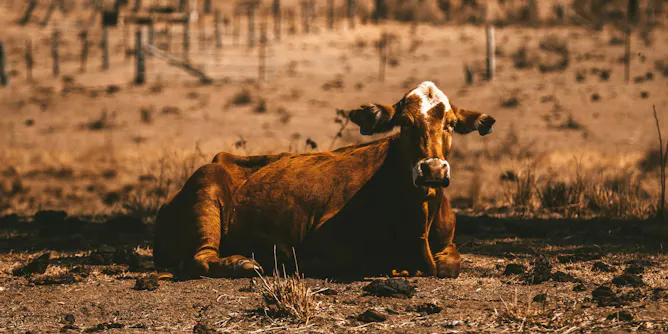
Australia produces enough food for 75 million people. But intensifying heat and natural disasters and competition for water are eroding food security.
Articles on Supply chain disruption
Displaying all articles

If we want to keep our food supplies secure, understanding what farmers need in diesel supplies now – and in coming months – will be crucial.

The resilience of digital supply chains are given little attention, despite its critical role in the global economy.

Companies wanting to build resilience and operate in uncertainty can take inspiration from operations that have long navigated instability.

A supply chain expert looks at the short- and long-term impacts of the bridge collapse.

Tea supplies are under threat as a shipping crisis continues in the Red Sea.
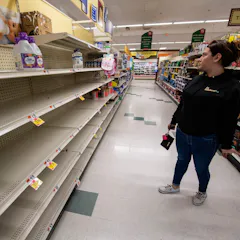
Many families in the US encountered empty shelves when they went in search of infant formula during COVID-19.
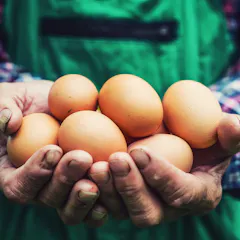
Research shows that food supply chains are unfair, but there are ways to make them more sustainable for all involved.
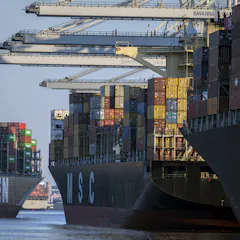
Companies around the world are rapidly reshoring factories, investing in new technologies and building their inventories – shifts that all mean higher costs for consumers.

The Fed officially began its biggest inflation fight in four decades.

Right now, the nation is almost entirely dependent on other countries for minerals that are used in everything from wind turbines to strike fighters and satellites.
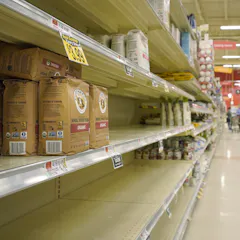
Modern supply chains have become increasingly efficient, but as a result are more susceptible to disruptions like the one caused by the coronavirus pandemic.
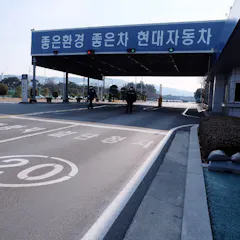
As the human costs of the Covid-19 virus epidemic continue to rise, the virus is also taking its toll on global economy, with disrupted supply chains across a wide variety of industries.

While US residents may feel safe from the effects of the coronavirus, the aftershocks could be damaging in unexpected ways. The disruption to China’s supply chain could cause drug shortages.
Top contributors
-

Distinguished Professor of Supply Chain Management, Northeastern University
-
Associate professor, GEM
-
Associate Research Scientist and Assistant Director Scowcroft Institute of International Affairs, Bush School of Government and Public Service, Texas A&M University
-
Associate Professor in Supply Chain Management, University of Leicester
-
Professor of Marketing, University of Montana
-
Associate Professor of Finance, University of Nebraska Omaha
-
Assistant Professor of Operations Management, University of Manchester
-
Payne Institute Program Manager, Colorado School of Mines
-
Doctoral Student in Health Psychology, University of California, Merced
-
Assistant Professor of Psychology, University of California, Merced
-
Associate Professor of Supply Chain & Analytics, University of Missouri-St. Louis
-
Associate Dean For Global One Health, College of Veterinary Medicine & Biomedical Sciences; and Director, Pandemic and Biosecurity Policy Program, Scowcroft Institute for International Affairs, Bush School of Government and Public Service, Texas A&M University
-
Director, Scowcroft Institute of International Affairs and Executive Professor, Texas A&M University
-
Assistant Professor, Texas A&M University
-
Senior Affiliate Professor of Strategy, INSEAD