

Opioid overdoses are now complicated by a powerful animal tranquilliser.
Articles on Street drugs
Displaying all articles

More than half of the street fentanyl samples collected in November 2024 contained BTMPS, and many contained more BTMPS than fentanyl.

In 2013 stories emerged of gangs stealing plasma TV screens to use to make street drugs. It’s a myth, but it tells us something about South Africa’s social anxieties.

The study revealed a link between youth, troubled behaviour and a lack of access to recreational spaces in marginalised communities.

Some psychedelic drugs – paired with therapy – hold great potential for helping sufferers of PTSD, depression and other mental health disorders.

Hard as it is, some gangsters do leave gangs. A new book, based on a 5-year study, tracks the lives of 24 former gang members.

Fentanyl adulteration led to the replacement of heroin in the unregulated drug supply of British Columbia. Now that benzodiazepines are present in many opioids, are we headed towards a ‘new normal?’

A study shows that some Cape Town gangsters choose to stand alone, preferring their independence to taking orders from a gang boss.
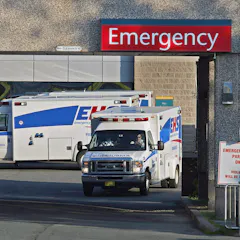
Canadian hospitals are ill-equipped to deal with the inpatient opioid crisis. Lack of specialist addictions care puts patients and staff at risk.

In competing with Canada’s black markets, legal cannabis has potential strengths and weaknesses. Most flow directly from governments’ policy choices.

Researchers are finding medical uses for some molecules in certain street drugs, but it’s important to call the drugs by their real names. Here’s why that’s important.
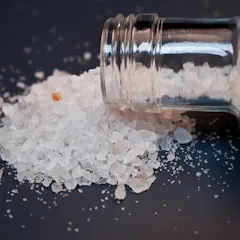
Flakka was believed to be behind two cannibalistic attacks in Florida that left one man blind and a married couple dead. It wasn’t so. Here’s why we need facts, not myths, about dangerous drugs.
Top contributors
-

Honorary research affiliate, Centre of Criminology, University of Cape Town
-
Associate Professor of Population Health, New York University
-
Professor of Operations Research, Brock University
-
General Internal Medicine Physician, Queen's University, Ontario
-
Associate Professor of Medicine. Division Head, General Internal Medicine, Queen's University, Ontario
-
Centre for Social Development in Africa, Faculty of Humanities, University of Johannesburg
-
Distinguished Professor of Pharmacy Practice, University of Connecticut
-
PhD Candidate, School of Population and Public Health, University of British Columbia
-
Professor, University of the Witwatersrand
-
Associate Professor of Comparative Effectiveness and Outcomes Research, University of Connecticut
-
Assistant Professor, Department of Medicine, University of British Columbia
-
Postdoctoral Research Fellow in Psychiatry and Social Work, Columbia University
-
Research Scientist in Epidemiology and Health Services, Columbia University
-
Professor of Pharmacology, Durham University
-
Director of Translational Institute of Medicine (TIME), Queen's University, Ontario