

The use of polluting household fuels and gas was associated with an increased likelihood of eczema, followed by severe asthma symptoms.
Articles on Black townships
Displaying all articles
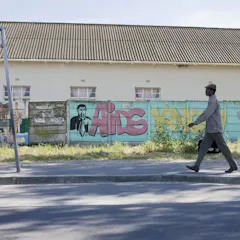
Young men in low-income communities in Cape Town and London often walk with great fear.
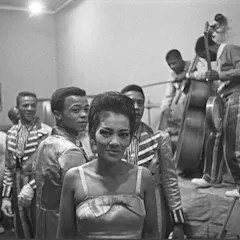
Former residents recall a community nurtured by a spirit of extended family and solidarity.
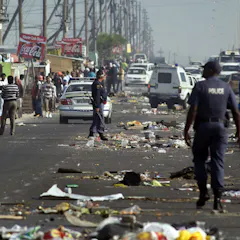
A more responsive government would avoid a turn to militant protests to air grievances.

It’s about more than wasteful destruction; it’s a way of restoring dignity to marginalised young lives.
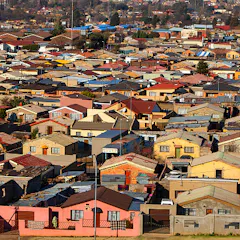
The transfer of township rental houses to inhabitants did not necessarily give families greater security. “Family houses” were frequently acquired by individuals.
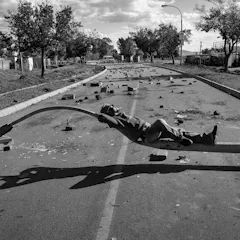
The winner of the prestigious Deutsche Börse photography prize documents everyday life in a powerful and creative way.

In 2013 stories emerged of gangs stealing plasma TV screens to use to make street drugs. It’s a myth, but it tells us something about South Africa’s social anxieties.

The study highlights the flimsy boundaries between different forms of violence: torture and extrajudicial punishment, lawful arrest, and an unlawful kidnapping.
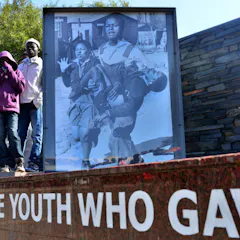
The students who marched on 16 June 1976 did more than simply register a political opinion.
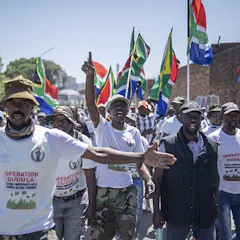
Ending violence against foreigners can only happen by first recognising – and addressing – the hazards of South Africa’s crumbling system of indirect rule.

The study revealed a link between youth, troubled behaviour and a lack of access to recreational spaces in marginalised communities.
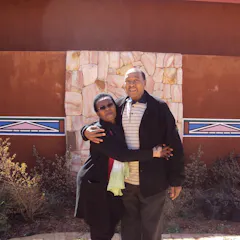
The master of abstract art proved that black ‘township artists’ from South Africa could become leaders of international styles.
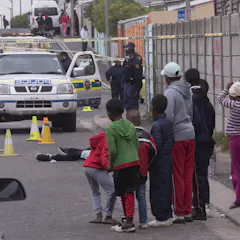
Findings show that in the face of marginalisation and social exclusion, youth in gangs think that they have no options except violence to prove that they are ‘real’ men in their communities.
Top contributors
-

Centre for Social Development in Africa, Faculty of Humanities, University of Johannesburg
-
Honorary Research Associate at Michaelis School of Fine Art, University of Cape Town
-
Professor, University of the Witwatersrand
-
Associate Professor of Development Studies, University of Oxford
-
Associate Professor of Political Studies, University of the Witwatersrand
-
Lecturer in Communication Science, University of Johannesburg
-
Researcher, University of the Witwatersrand
-
Senior Lecturer in Communications and Media, University of Johannesburg
-
Co-Director of the Wits-Oxford Mobility Governance Lab, University of the Witwatersrand
-
Professor, University of Fort Hare
-
Assistant Professor, University of Toronto
-
Professor, University of Pretoria
-
Senior Lecturer: Public Health, University of South Africa
-
Associate Professor, University of Pretoria
-
Senior Lecturer, University of Johannesburg