

Tupac is proof that being young, marginal and Black does not necessarily mean being powerless.
Articles on Cape Town gangs
Displaying all articles

There are about 40 occult-related gangs operating in one province. Understanding what draws young people to them is key to combating them.
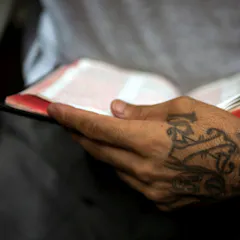
It isn’t easy to leave a gang, but some people do. Patrick and Emersons are two examples and both used the church to help guide them – and help them perform a new role on the streets.

More than being the social problem they are often made out to be, gangs are an indication of larger problems present in their societies.

Controversial South African band Die Antwoord illustrates the power relations that make cultural appropriation and blackface so damaging.

Hard as it is, some gangsters do leave gangs. A new book, based on a 5-year study, tracks the lives of 24 former gang members.
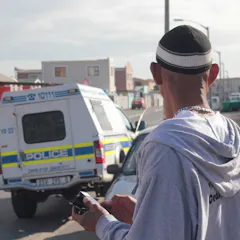
A study shows that some Cape Town gangsters choose to stand alone, preferring their independence to taking orders from a gang boss.
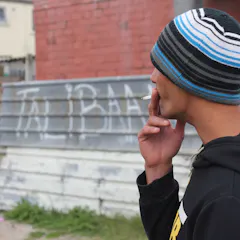
Even after becoming an ‘ex’, former gang members must still negotiate gang associations and activities in the communities they remain in.

At present South Africa is simply placing a potentially dangerous market into the hands of criminal syndicates and international traffickers.
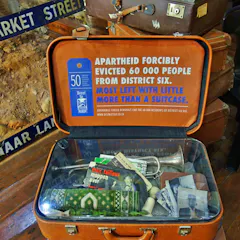
Given the framework within which removals under the Group Areas Act took place in Cape Town, a social disaster was inevitable.
Top contributors
-

Honorary research affiliate, Centre of Criminology, University of Cape Town
-
Research fellow, criminologist, University of Cape Town
-
Associate Professor, Indigenous Studies, University of Saskatchewan
-
University of Cape Town
-
Lecturer and Postgraduate Supervisor, Department of Criminology, University of the Free State