

Calls to reduce the use of antidepressants highlight valid issues with long-term use and withdrawal, but blanket efforts to discourage their use overlooks why they are so widely prescribed.
Articles on SSRI antidepressants
Displaying all articles

Can a mood chemical influence tumour growth?

As we transition from wakefulness to sleep, the nervous system winds down and muscles relax. Sometimes, the brain misinterprets what’s happening.

Recent reports about medication use in pregnancy may sound distressing, but reducing complex science to alarming headlines does more harm than good.

What a warning label gets wrong about depression and pregnancy.

Short-term data fails to reveal long-term risks of antidepressant withdrawal.

Although quitting antidepressants can cause withdrawal symptoms, they are generally less severe than those of heroin.

Psilocybin studies to treat mental health disorders have tended to only look at short-term results.

Some patients report that SSRIs are helpful – even essential – in the management of mental health. Others, however, complain of being turned into zombies. Psychotherapy is an effective alternative.

Australia has among the highest antidepressant prescribing rates in the world.

Postpartum depression can strike days, weeks or months after delivery, and the much rarer cases of psychosis can be difficult to detect.

An overreliance on medication as the first-line treatment for depression can lead some people to be labeled with treatment-resistant depression when there are other viable alternatives for relief.

Antidepressants may take away some of the pain of depression but that can also sap away people’s enjoyment of life.
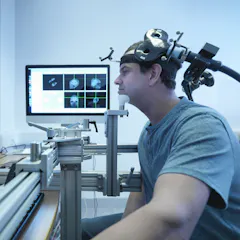
Patients who undergo transcranial magnetic stimulation say it’s painless, with few to no side effects. The treatment isn’t yet widely accessible, but for those who use it, the effects can be profound.
This rare procedure is offered by only a handful of centers in the US and around the world and should be used only when less invasive treatment options for OCD have been tried.

The authors of one of the most shared research papers in modern history clear up some of the misunderstandings that followed in the wake of its publication.

A recent review of studies concluded depression is not caused by a lack of serotonin in the brain. But this doesn’t mean antidepressants, which work on serotonin, aren’t effective.

Drugs can interact with one another in ways that are harmful. A study finds that taking oxycodone with certain SSRIs can make an opioid overdose more likely.

Just because we don’t understand the precise mechanism behind depression, doesn’t mean we should dismiss drugs that are known to be effective.
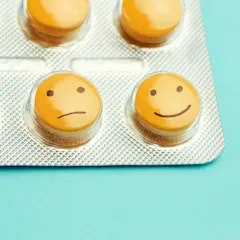
A new shows there’s no clear evidence that depression is caused by abnormally low levels of serotonin in the brain.
Top contributors
-

Professor of Critical and Social Psychiatry, UCL
-
Visiting Clinical Research Fellow in Psychiatry, UCL
-
Research Leader, Critical and Ethical Mental Health research group, Robinson Research Institute, Adelaide University
-
Assistant Professor of Clinical Pharmacy and Outcomes Sciences, University of South Carolina
-
Professor of Biological Psychiatry, University of Edinburgh
-
Clinical Assistant Professor of Psychiatry and Neurology, University of Michigan
-
Lecturer in Psychotherapy, School of Nursing, Psychotherapy and Community Health, Dublin City University
-
Professor of Psychiatry, University of Colorado Anschutz
-
Postdoctoral Research Associate, Cognitive Neuroscience, University of Cambridge
-
Clinical Professor of Neurology, Copenhagen University Hospital
-
Associate Professor and Vice Chair of Clinical Services, Florida International University
-
Professor of Genetic Epidemiology & Statistics, King's College London
-
Professor of Clinical Neuropsychology, University of Cambridge
-
Clinical Assistant Professor of Psychiatry, Cornell University
-
Adjunct Professor, Psychiatry, Karolinska Institutet