
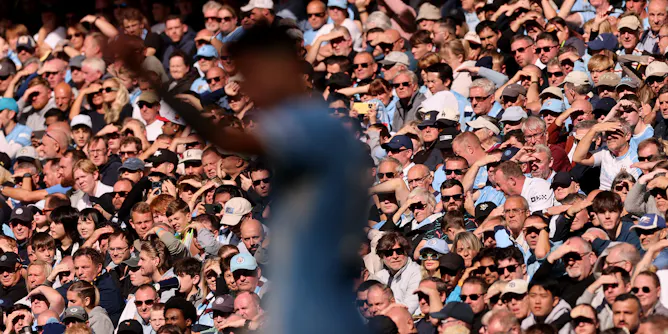
After investing so much emotional energy in supporting a club, many fans struggle to manage public shame in overheated environments.
Articles on Sport psychology
Displaying 1 - 20 of 63 articles

Arteta’s tactics include delaying the players’ meals, unexpectedly changing their travel plans, and making dressing rooms hotter.

The mythology of the bullet-proof athlete often obscures the reality of elite sport’s mental toll.

When runners ‘hit the wall,’ they experience sudden debilitating fatigue, difficulty keeping pace, and often, a shift away from their goal pace towards surviving until the finish line.
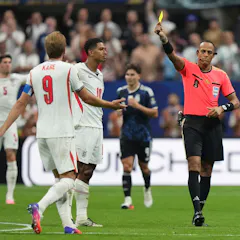
If VAR catches a player offside by their toe, this is a correct decision. Whether this is what we want as fans is a philosophical debate.
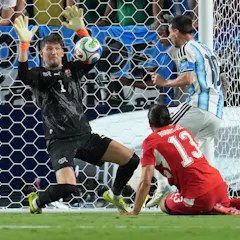
Goalkeepers are different to ‘normal’ soccer players but their role, and how they train, is changing.

In sport, the yips can be a chronic, more severe form of ‘choking’ under pressure. Some athletes overcome them – others can get defeated by them.

Here’s what Arsenal’s sport psychologists should be focusing on ahead of a thrilling end to the Premier League season.

Worrying scenes during a recent AFL contest show many sports must do more to respond to mental health issues that unfold during play.

Some athletes are labeled ‘clutch’ for their match-winning feats. Research suggests this may be more fiction than fact.
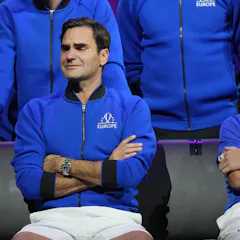
Many athletes ‘live the dream’ during their careers but retirement often doesn’t come easy – what can be done to better prepare them?

Elite athletes are highly specialised decision-makers because they practise it every day, which is why, on many cognitive tasks, they’re smarter than ‘the average Joe.’
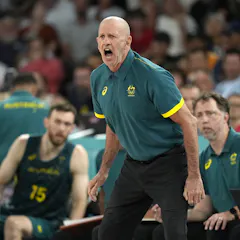
Most of us are aware of athletes’ sacrifices, triumphs and heartbreaks. But how do their coaches cope with pressure and stress?
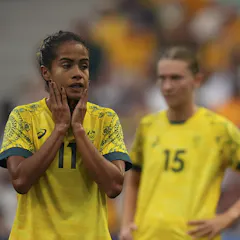
Athletes can spend four years preparing for an Olympic or Paralympic games. For those who don’t achieve their goals, the disappointment can be crushing.

As athletes strive to reach their physical potential, their cognitive abilities are often overlooked. New research shows this may hinder young sports players.

It would be fair to assume elite athletes focus intensely on their chosen sport. However, some are now turning to exploration, which can deliver surprising benefits.

Scientists are getting closer to understanding why some elite athletes use less brain power than others. The element of surprise at training can help train the phenomenon.

Momentum is one of sport’s great intangibles but what exactly is it and how can it influence athletes and teams?

More is being done to support athletes’ mental health as they retire but early intervention is crucial, which means more education is needed with young athletes.
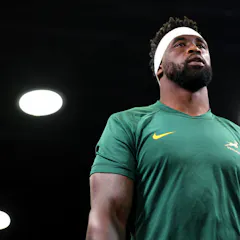
A psychologist analyses the rugby star’s life to extract lessons.
Top contributors
-

Senior Research Fellow, Melbourne School of Psychological Sciences, The University of Melbourne
-
Digital journalism coordinator, Monash University
-
Professorial Fellow, Centre for Youth Mental Health, The University of Melbourne
-
Senior Lecturer in Sport and Exercise Science (Sport Psychology), Anglia Ruskin University
-
Senior Lecturer in Psychology, CQUniversity Australia
-
Senior Lecturer in Sports Coaching, Anglia Ruskin University
-
Principal Lecturer in Athlete Mental Health, Cardiff Metropolitan University
-
Lecturer in Sport Psychology, University of the Sunshine Coast
-
Lecturer, Faculty of Business, Sport and Enterprise, Southampton Solent University
-
Professor in Sport Psychology, University of Wolverhampton
-
Senior Lecturer, Faculty of Health, Southern Cross University
-
Lecturer, Faculty of Health, Southern Cross University
-
Associate Professor - Sport and Exercise Psychology, Victoria University
-
Assistant Professor in Kinesiology, University of Saskatchewan
-
Lecturer in Psychology, Swinburne University of Technology