
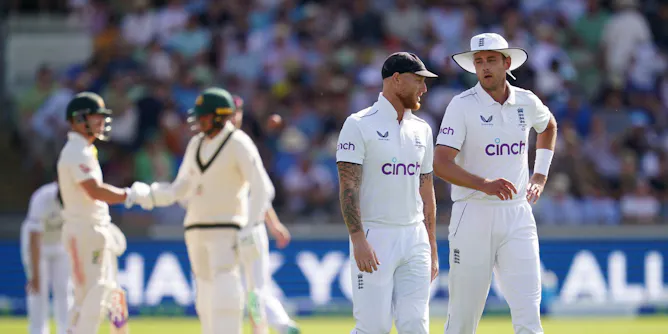
Bazball is aggressively attacking, highly entertaining and piles pressure on opponents by scoring runs quickly.
Articles on Sport psychology
Displaying 21 - 40 of 63 articles

One psychological explanation for Kane’s successes can be found in the concept of challenge and threat states, which explains why some athletes perform better than others under pressure.
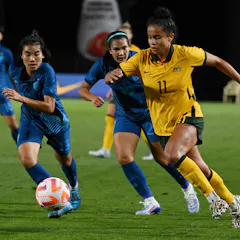
Sport and exercise psychology research studies – which inform the strategies athletes use to reach peak performance – have predominantly used male participants.
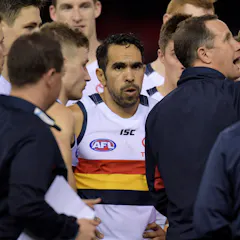
The idea of provoking trauma for organisational benefit is profoundly wrong.

Being a fan can be good for you – even in defeat.
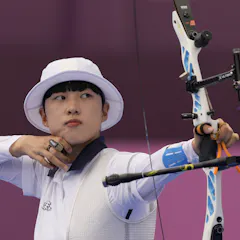
Simone Biles’ recent Olympics withdrawal is a reminder for all of us to balance our passions with our emotional well-being — as both work in unison.
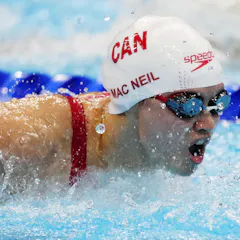
The past 18 months have tested the mental and physical limits of Olympic athletes in their pursuit of the Tokyo Games. That’s what makes the performances during these Olympics even more remarkable.
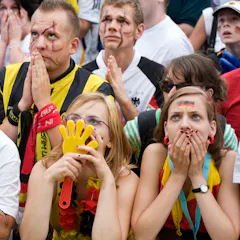
Fans feel some of the same emotions as players – and sometimes it can all be too much.

Ultra-marathon runners face a plethora of physical and mental challenges on the track, including intense fatigue and extreme physical pain.
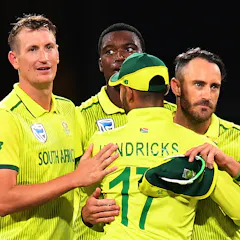
No-one ever asks the players how the quota system affects them. When one academic did, she found conflicting and complex responses about the impact of transformation in South African sport.
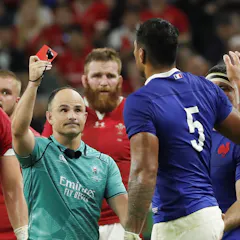
One of the most pressurised roles in the pressure cooker that is the Rugby World Cup is the referee. Threatening fans are causing them to quit the game at all levels.

Focusing on outcomes backfires. Connect with what you love and success will take care of itself.

A sport psychologist on how sportspeople are taught to handle high-pressure situations.

Too often athletes are forced into a narrative in which their sport overtakes everything, to the detriment of their health and future happiness.

We need to learn how to rebuild from loss, failure, or defeat in life, and that can also help in sport.
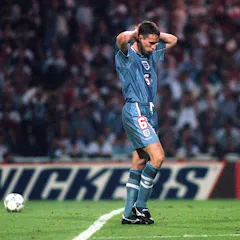
Sport is full of high-pressure language which if eradicated can help athletes to express themselves and perform at their best.
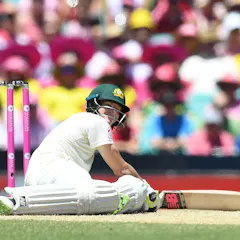
Australia’s cricketers were once known as tough but fair, but the latest ball tampering scandal has many asking how some of the leading players could have stooped so low.
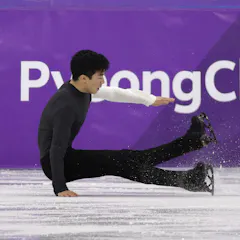
Why can an athlete dominate their sport, but fail to perform when it counts most at the Olympic Games? A number of factors the viewing audience can’t see can explain poor performances.

Failure is something all athletes need to deal with, especially when competing on the world stage that is the Olympics. Learning self-compassion can help athletes rebound from setbacks.
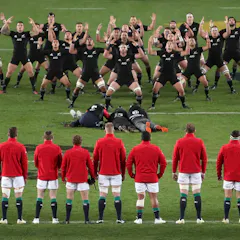
Sport has a mental health problem, but rugby might have the answer.
Top contributors
-

Senior Research Fellow, Melbourne School of Psychological Sciences, The University of Melbourne
-
Digital journalism coordinator, Monash University
-
Professorial Fellow, Centre for Youth Mental Health, The University of Melbourne
-
Senior Lecturer in Sport and Exercise Science (Sport Psychology), Anglia Ruskin University
-
Senior Lecturer in Psychology, CQUniversity Australia
-
Senior Lecturer in Sports Coaching, Anglia Ruskin University
-
Principal Lecturer in Athlete Mental Health, Cardiff Metropolitan University
-
Lecturer in Sport Psychology, University of the Sunshine Coast
-
Lecturer, Faculty of Business, Sport and Enterprise, Southampton Solent University
-
Professor in Sport Psychology, University of Wolverhampton
-
Senior Lecturer, Faculty of Health, Southern Cross University
-
Lecturer, Faculty of Health, Southern Cross University
-
Associate Professor - Sport and Exercise Psychology, Victoria University
-
Assistant Professor in Kinesiology, University of Saskatchewan
-
Lecturer in Psychology, Swinburne University of Technology