

Working with and living in spatially complex environments may help delay cognitive decline, though more research is needed.
Articles on Spatial reasoning
Displaying all articles
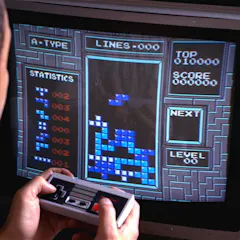
People young and old love the classic video game Tetris. A working knowledge of the spatial reasoning concepts underlying Tetris can set students up for success in mathematics.

Figuring out how jigsaw pieces fit together by visualising moving them in your mind is an example of using spatial skills.
Students with exceptional spatial skills should be eligible for gifted and talented services and given personalized support. But many schools fail to identify and engage these children.
Playful activities that involve choice, active engagement and moments of delight are what children need this summer during the pandemic.
It’s never too early for children to develop their spatial skills, vital if they want to one day design buildings, put up flat-pack furniture or cut a birthday cake. Here’s how you can help at home.
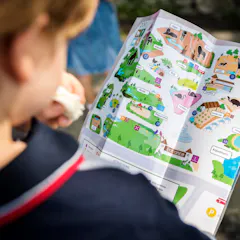
Early STEM skills are as important as early literacy skills. Parents can help their preschoolers develop STEM skills by working these simple techniques into everyday activities.
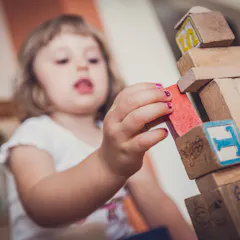
Blocks probably won’t top Christmas wish lists, but they have many benefits including developing fine motor skills, social, cognitive and language skills, and spatial reasoning and language.
Top contributors
-

Associate professor Early Childhood and Primary Education, University of Canberra
-
Assistant Professor, University of Canberra
-
Senior Lecturer in Mathematics Education, Griffith University
-
Professor, Canada Research Chair in Determinants of Child Development, Owerko Centre at the Alberta Children’s Hospital Research Institute, University of Calgary
-
Associate Professor of Education Policy and Psychology and 21st Century Chair, University of Arkansas
-
Professor of Cognitive Development, University of Surrey
-
Professor of Education, Wake Forest University
-
Manager, Community Partnered Research and Engagement, University of Calgary
-
Professor of Psychology, Western University
-
Associate Professor of Educational Studies, University of Alabama
-
Professor of Civil and Environmental Engineering, The University of Texas at San Antonio