
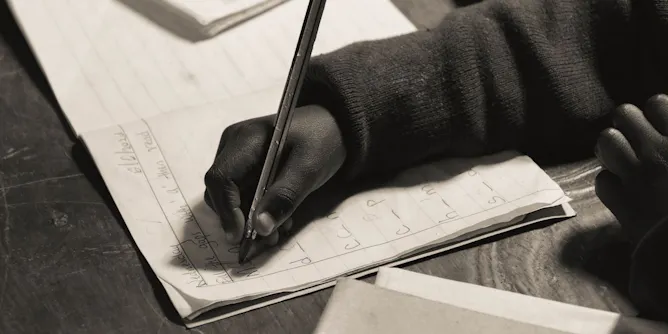
In a case study, parents responded positively to their children being taught science in two languages.
Articles on South Africa
Displaying 41 - 60 of 2130 articles

South Africa’s first climate case at the Constitutional Court has blocked Shell’s oil and gas exploration off the Wild Coast, protecting coastal communities.

Automated systems need to be watched carefully to ensure they are in fact operating in the public interest.
Isolated interventions are unlikely to help small sugarcane growers. Improving productivity requires integrated support systems.
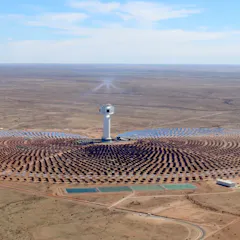
South Africa is one of the best places in the world for concentrating solar power. So why has the country’s energy plan largely ignored it?
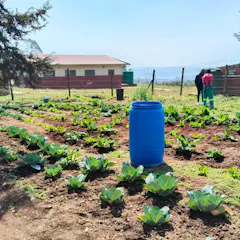
In a rural South African village, climate action is influenced by ubuntu: the belief that people are connected and have a responsibility to one another.
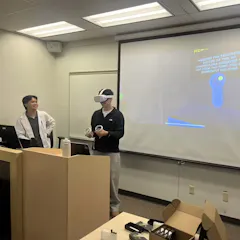
The advantage of virtual reality training is scalability. The same experience can be delivered in many countries simultaneously, without need for travel.
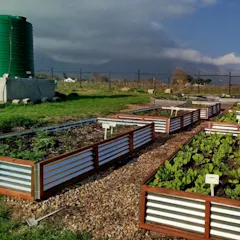
A test case in Franschhoek, South Africa has used natural filtering of polluted water to produce 50,000 litres a day that is safe for irrigation.
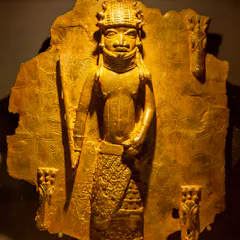
Archaeology can repair past harm, create work for people in the present and preserve cultural heritage for the future.
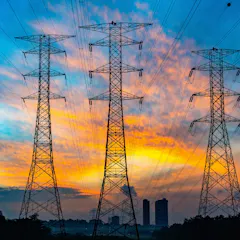
Africa still needs millions of better-paying jobs and higher productivity to reduce poverty. What has changed is the route to achieving those goals.
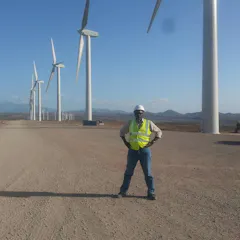
In South Africa and Kenya, some green energy projects have deprived local communities of land and livelihoods instead of sharing the benefits.
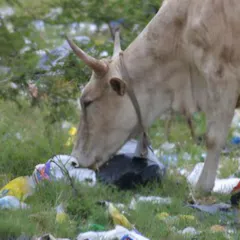
As plastic waste spreads across communal grazing land, smallholder farmers are losing livestock, income and an important source of food and security.

Not even the #MeToo movement and a reckoning with sexual abuse could rupture the sound-proof walls of South African classical music.
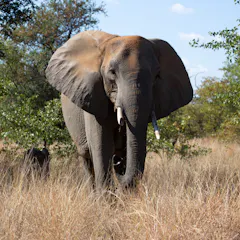
When elephants leave Kruger National Park, they are sometimes killed and their meat is shared with nearby communities. This policy may have unintended consequences.
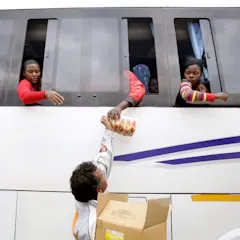
There’s more to being a refugee than crossing a border.
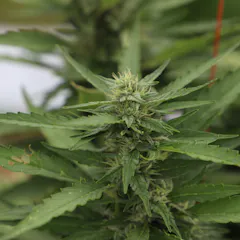
Researchers have used drones and ground sensors to get the first ever measurements of exactly how much water hemp crops consume.

Research shows that market-based land reform in South Africa since 1994 has often benefited white farmers and preserved inequality instead of reducing it.
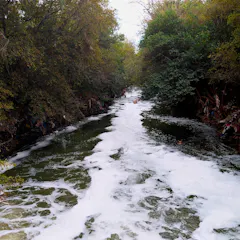
After harmful bacteria are removed by water treatment, the genetic information that enables antimicrobial resistance can persist.
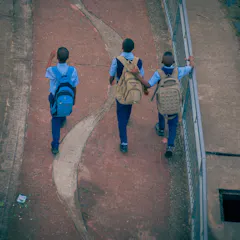
An eight-country study assessed whether parenting programmes that were developed through research also work when offered at a wider scale in real-life conditions.
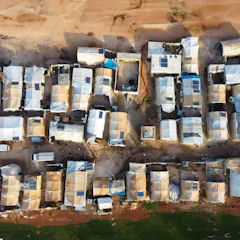
International law doesn’t require refugee camps, making them a policy choice rather than a legal obligation.
Top contributors
-

Visiting Professor at the Business School, University of the Witwatersrand
-
Professor of World Politics, SOAS, University of London
-
Senior Research Associate, University of Johannesburg
-
Senior Fellow, Department of Agricultural Economics, Stellenbosch University
-
Pro Vice-Chancellor, Climate, Sustainability and Inequality and Director, Southern Centre for Inequality Studies, University of the Witwatersrand
-
Professor of Political Studies, University of Johannesburg
-
Professor/Senior Research Fellow, Centre for Advancement of Scholarship, University of Pretoria
-
Professor of Physics, University of Johannesburg
-
Emeritus Associate Professor in Public Law, UCT. Visiting Adjunct Professor, WITS School of Governance; Director, Africa Programme, University of Cambridge Institute for Sustainability Leadership, University of Cambridge
-
Professor of Political Economy, University of the Witwatersrand
-
Dean Faculty of Health Sciences and Professor of Vaccinology at University of the Witwatersrand; and Director of the SAMRC Vaccines and Infectious Diseases Analytics Research Unit, University of the Witwatersrand
-
Post Doctoral Researcher, Graduate School of Business (GSB), University of Cape Town
-
Political Scientist, University of the Western Cape
-
Professor of Sociology, University of the Witwatersrand
-
Associate professor, University of Cape Town