
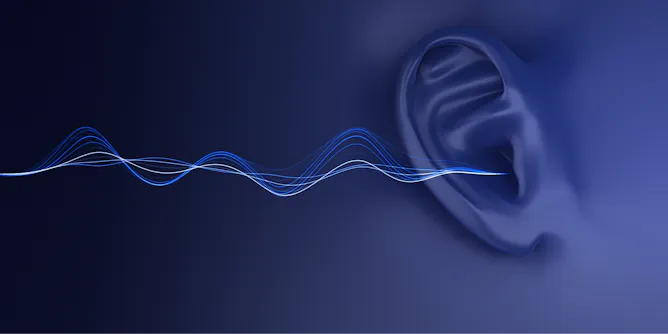
By combining ultrasound with a concept called nonlinear acoustics, you can create sound that stays silent until it reaches a specific location.
Articles on Sound waves
Displaying all articles

Analysis of data from underwater microphones could help researchers discover the fate of missing flight MH370.
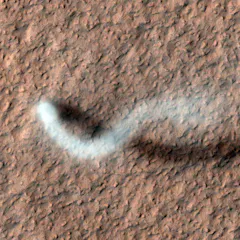
The first ever sound recording of a dust devil on Mars reminds us that there is a lot to learn about how they sculpt the landscape.

If you’ve ever cringed after hearing a recording of yourself, you’re not alone.
Geophysicists use sound waves to build a picture of the magma and rock beneath this active volcano, most of which is underwater. It’s like CT scanning the Earth.

When a sound is made, it spreads. And when it hits a hard surface that is far away, it bounces back and comes back to where the sound was made. That’s what we call an echo.

Data from hydrophones in the Indian ocean has raised new questions about what happened to MH370.

A new method of analysing underwater sound waves has led to the creation of a faster, more informative tsunami early warning system.

A new method has been developed to find objects that land at sea using underwater sounds.

Using sound waves to disrupt sensor functions is just one of a growing number of “side-channel attacks” that could affect our devices.

From Long Range Acoustic Devices used to disperse protesters to ear-splitting military drones to songs blasted on rotation to prisoners, ours is an age in which sound has been repositioned as a tool of terror.

Shortly after Glen MacPherson started hearing strange humming noises, he created the World Hum and Database Project so people around the world could document their own experiences with the Hum.
We find them at the beach, in every sound and light show, the miracle of wi-fi and now in the fabric of space-time itself. But what exactly is a wave?
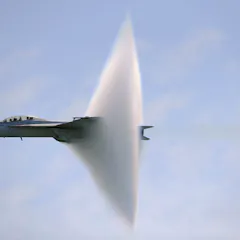
Going faster than the speed of sound can create some exciting effects – and it’s not just aircraft that do it.
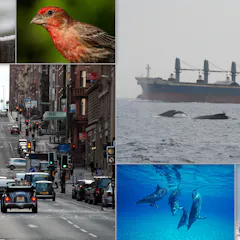
Noise pollution, whether on land or under water, can affect animals in interesting – and not always positive – ways.
Top contributors
-

Reader of Applied Mathematics, Cardiff University
-
Honorary senior lecturer, Australian National University
-
GMAT and GRE Specialist, Former Lecturer, University of British Columbia
-
Leading Education Professional, UNSW
-
Senior Lecturer, Department of Physics, University of Bath
-
Ford Professor of Engineering, Emeritus, Massachusetts Institute of Technology (MIT)
-
Adjunct Research Fellow, Griffith University
-
Senior Lecturer in Zoology, Bangor University
-
Lecturer in Mechanical Engineering, Cardiff University
-
Head, The Cyber Academy, Edinburgh Napier University
-
Professor of Planetary Geosciences, The Open University
-
Associate Professor of Earth Sciences, Volcanology Cluster of Excellence, & Oregon Hazards Lab, University of Oregon
-
Assistant Professor of Otolaryngology, UW Medicine, University of Washington
-
Professor of Acoustics, Penn State
-
Postdoctoral Researcher in Acoustics, Penn State