

The arrest and sentencing of Somalilander Naima Qorane for publishing pro-unity poetry is just the tip of the iceberg in a state that’s eager to maintain its sovereignity as a nation.
Articles on Somalia
Displaying 141 - 160 of 207 articles

The transition into adulthood is challenging for young refugees: they face great adversity while trying to finishing school, find work and enter marriage.
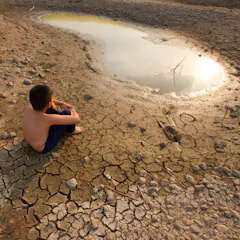
We looked at ten countries in East Africa and found poverty and politics were much more important drivers of conflict and displacement than climate change.

A Somali community sick of negative headlines decided to start their own local newspaper and write their own stories.
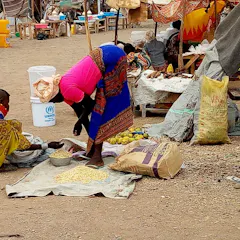
Refugee policy may well be a humanitarian issue. But it is also a development issue.
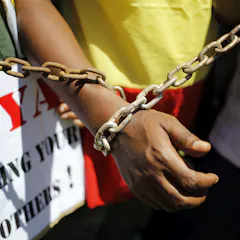
The decision to repatriate migrants is a welcome intervention. But, it fails to consider the fundamental causes.
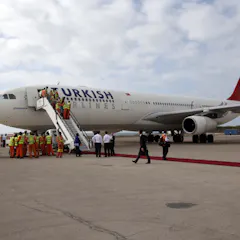
Turkey’s actions have arguably improved the situation in Somalia over the past six years but its increasing role could bring it on a collision course with other states.
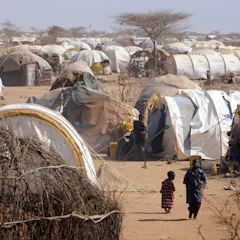
UN Refugee Agency special envoy Ambassador Mohamed Abdi Affey, explains what caused the reversal of the decision to close Dadaab, and what the future holds for Kenya’s Somali refugees.

Africa has recorded a tremendous growth in its output of academic engineering research over the past 20 years. Greater collaboration can increase this growth even more.

Kenya faces a serious threat of terrorist attacks given its strategic geopolitical position, its tourism and corruption. The country needs to squarely face this and take appropriate measures.
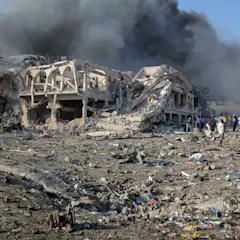
The attack, in which more than 300 people were killed, comes as Somalia tries to put in place a new security pact.
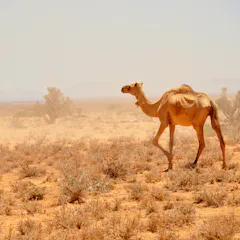
It’s wrong to blame climate change for famine and conflict. These can either be prevented, or the impact minimised, if institutions and mechanisms of good governance are in place.
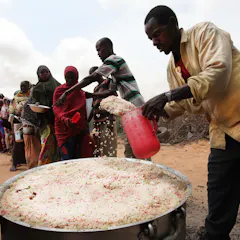
The distinction between food insecurity and famine is artificial and unhelpful. Hungry people are suffering however their situation falls below the radar.
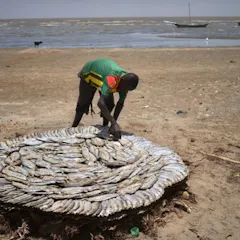
Historically low rainfalls have led to severe droughts in Somalia, Ethiopia and Kenya. But various solutions exist to mitigate the social and economic impact.
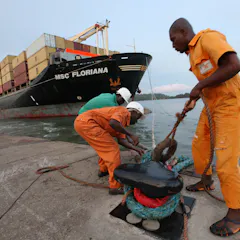
Traditionally maritime security has been defined through the narrow lens of piracy. But as the blue economy grows, African states need to embrace a broader strategy.
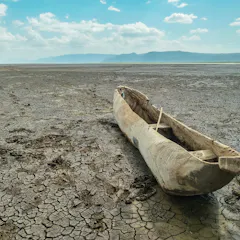
It’s very easy to assume climate change causes droughts, but they are complex extreme events that result from a combination of drivers.
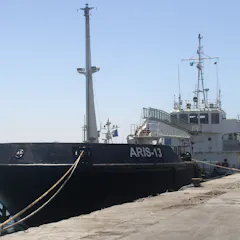
Stopping piracy has always been difficult, expensive and time consuming. The pirates of the 21st century have proved even more resilient.

The advent of genetic technologies has been reducing the time and cost attached to diagnosing rare genetic diseases.
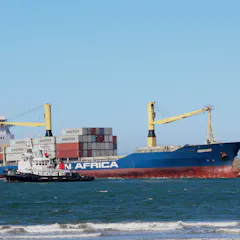
Many African countries are sitting on vast and under-utilised oceanic territories that have the potential to unlock enormous economic value, if properly governed.
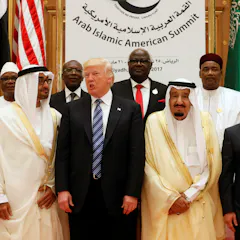
For Trump, putting America first means that being a global leader on human rights may take a back seat.
Top contributors
-

Associate Professor, Khalifa University
-
Professor of International Relations, Norwegian University of Life Sciences
-
Lecturer and Senior Research Fellow at the South African Research Chair in International Law (SARCIL), University of Johannesburg
-
Senior Research Fellow, Horn of Africa and Southern Africa, Institute of Commonwealth Studies, School of Advanced Study, University of London
-
Associate Professor of International Relations, University of Trieste
-
Fellow, King's College London
-
Professor of International Affairs, George Washington University
-
Lecturer, Department of Social Sciences, Technical University of Mombasa
-
Professor, United States International University
-
Associate Professor of International Relations, United States International University
-
Senior Lecturer, Institute of Diplomacy and International Studies, University of Nairobi
-
Fellow, Zoological Society of London
-
Lead Researcher, Munster Technological University
-
Adjunct Associate Professor, Departnent of Social Sciences, Pwani University
-
Professor Emeritus of Food Security, Tufts University