
Would you rather lose your sense of touch or your vision? Here are the pros and cons of each, according to science.
Articles on Smell
Displaying 61 - 80 of 87 articles

Our ability to smell is a function of the brain, so it makes sense that an impaired sense of smell can point to cognitive decline. The good news is training our noses may be effective.
The parts of the brain that get ‘smell signals’ from the nose also do other things, such as storing memories or provoking emotions. That is why some smells can bring back old memories.
Smelling odours that aren’t there can be annoying. It can also be a sign of a serious underlying condition.

A weather expert explains where petrichor – that pleasant, earthy scent that accompanies a storm’s first raindrops – comes from.
Compounds in your breath could help AI detect illnesses, including different cancers.
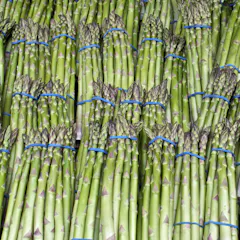
Perhaps you’ve noticed something unusual in the bathroom after you consume this healthy spring vegetable. A Speed Read explains there’s two parts to the stinky puzzle: production and perception.

Smell is the Cinderella of the senses in Anglophone literature, but James Joyce wrote an olfactory revolution. His treatment of the science of smell was astonishingly prescient.

Move over, dogs. The latest evidence suggests humans can match most other animals when it comes to smelling – and even outperform them for certain scents.

Studying odour memory is more than just an interesting diversion, it has practical uses too.

What’s the smell you associate with your childhood home? Or road-trips? Or fear? Conceptual artist Cat Jones has created the Scent of Sydney for the Sydney Festival, exploring the city in smells.
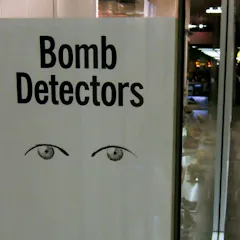
New research is narrowing the gap, creating technology with the detecting capabilities of canines but without the downsides of relying on a biological system.
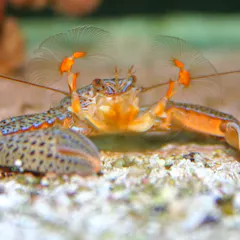
‘Smell-free seas’ would be a disaster for marine life.
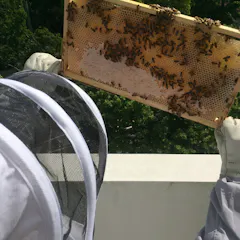
Honey bees are in decline and the current method of keeping them can be disruptive to a colony. But new designs allow beekeepers to monitor a hive remotely, even sniff out disease and pests.
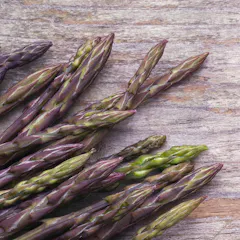
The question of whether your reaction to asparagus is down to your stomach or your nose is a 300-year-old mystery.

The smell of death is easily recognised but not fully understood. Identifying the compounds behind it could lead to a number of improvements in forensics, including better trained cadaver dogs.

The science about our special senses - vision, smell, hearing and taste - offers fascinating and unique perspectives on our evolution. Yet it remains patchy; we know surprisingly little for example about…

New research couldn’t find evidence for a controversial theory of how our sense of smell works.

Are you one of those people who can smell when the rain is coming? Ever wondered then what you’re actually smelling?
Do human pheromones exist? Despite the products some would sell you, there’s no hard evidence yet.
Top contributors
-

Professor of Rhinology and Olfactology, University of East Anglia
-
Associate Professor, Flavour Chemistry, University of Reading
-
Professor of Food Science, Penn State
-
Discovery Early Career Research Fellow, University of Sydney
-
Professor of Experimental Psychology, Department of Clinical Neuroscience, Karolinska Institutet
-
Associate Professor, Epidemiology, Deakin University
-
Professor of Psychology, University of Stirling
-
Senior Lecturer in Animal Science, Nottingham Trent University
-
Research Associate, Southern Cross University
-
PhD Student in Cognitive Psychology, Bournemouth University
-
Senior Research Fellow, Queensland University of Technology
-
Researcher, University of Stirling
-
Carla Rizzo Delray Distinguished Professor of Chemistry, University at Albany, State University of New York
-
Professor of Pervasive Computing, City St George's, University of London
-
Researcher, Psychiatry, The University of Melbourne