
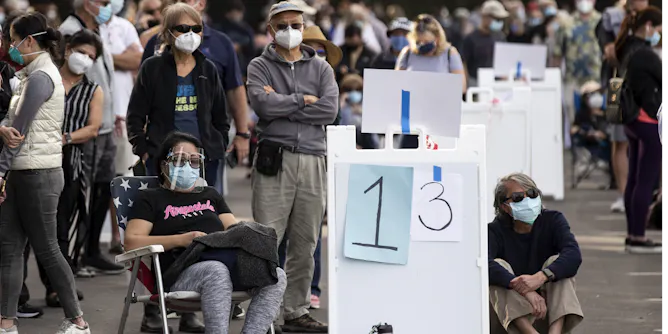
History tells us that delays, administrative hurdles, messiness and complexity are the norm.
Articles on Smallpox
Displaying 41 - 60 of 69 articles
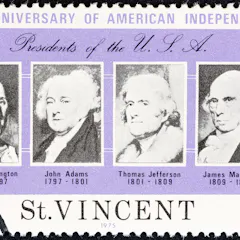
In the early years of the United States, several American presidents were in favour of public health inoculation and vaccination strategies.
A 1904 revolt against mandatory smallpox inoculation taught Brazilian health officials a deadly lesson on how to vaccinate a skeptical public. Today President Bolsonaro seems to ignore that history.
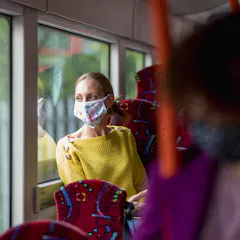
As ready as you are to be done with COVID-19, it’s not going anywhere soon. A historian of disease describes how once a pathogen emerges, it’s usually here to stay.
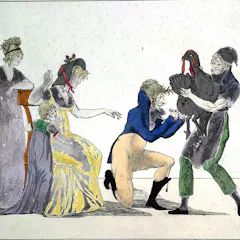
The history of anti-vaccination theories can help us understand how such claims capture a popular following. The same misinformation used against 19th century smallpox vaccine is still in use today.
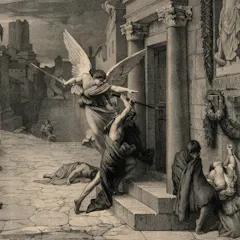
Societies and cultures that seem ossified and entrenched can be completely upended by pandemics, which create openings for conquest, innovation and social change.
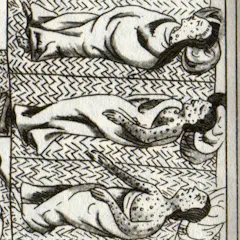
Virgin soil epidemics decimated Native American populations.
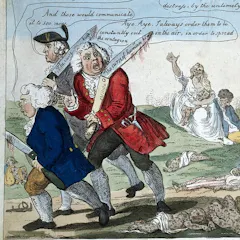
From protests to anti-vaccination propaganda, eliminating smallpox in the UK was not easy.
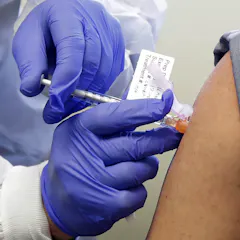
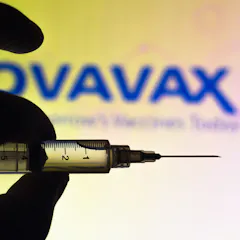
For a COVID-19 vaccine to stop the pandemic, a large percentage of the population will have to get vaccinated. A law professor explains how far government and employer vaccine mandates can legally go.
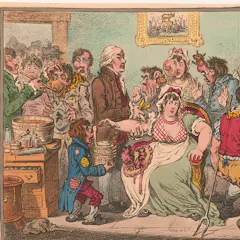
The success of the smallpox vaccine was far from guaranteed when Edward Jenner first published his treatise in late 18th century. A curator of the book talks about what we can learn from it today.

The smallpox virus appears to have been with humanity for millennia before a global vaccination drive wiped it out. Current genome research suggests how smallpox spread and where it came from.
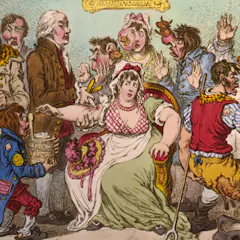
The smallpox vaccination used calf lymph, which was unacceptable to vegetarians and anti-vivisectionists who were growing in number from the mid 19th century.
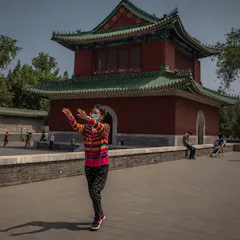
Over 200 years ago, a French Jesuit missionary wrote an essay criticising China’s handling of smallpox. The reality, though, was China was light years ahead of the world in confronting the disease.
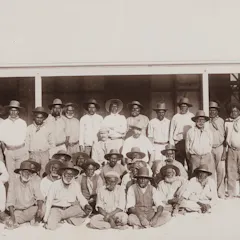
Aboriginal communities have a long history of fighting off disease outbreaks – and self-determination is vital to their success.

The paradox of the stockpile is that it’s meant to protect against future threats, but is limited by today’s imagination about what those threats might be.

Usually when a leader handles a crisis poorly, it’s politically costly. But President Trump’s mishandling of the coronavirus crisis is not likely to hurt him, says an expert on health crises.

Coronavirus has necessitated a global public health response. But what does ‘public health’ actually mean? Three key examples give us an idea of what public health looks like in action.
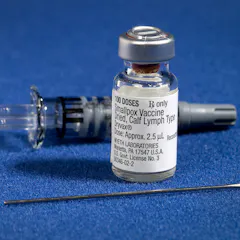
Smallpox is the only disease to be eradicated through sustained human effort. Many of these volunteers were women who defied social norms to save lives in India.
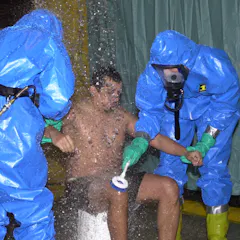
Talk of bioterrorism might provoke fears of smallpox and anthrax, but mundane threats like salmonella may pose greater danger. And experts say that the U.S. is not prepared for an attack.

Recent discoveries on the effects of live attenuated vaccines challenge the current vaccine paradigm and question vaccination policies.
Top contributors
-

Professor of Global Biosecurity, NHMRC L3 Research Fellow, Head, Biosecurity Program, Kirby Institute, UNSW
-
Extraordinary Professor, Global Health, Stellenbosch University; South African Medical Research Council
-
Regents' Professor & Chair, Medical Laboratory Science, Texas State University
-
Professor of History, McGill University
-
Professor in Vaccinology, Institute of Infectious Disease and Molecular Medicine, University of Cape Town
-
Professor Emerita of Biology, Indiana University
-
Head, Centre for Vaccines and Immunology, National Institute for Communicable Diseases
-
Postdoctoral Researcher, Immunology and Virology, University of Cambridge
-
Associate Professor, Melbourne Health
-
Chancellor's Fellow, History of Medicine, Emotions and Modern British History, University of Edinburgh
-
Chancellor's Professor of Medicine, Liberal Arts, and Philanthropy, Indiana University
-
Associate Professor in Biomedical Technology, University of Southampton
-
Dean of School of Sciences, Professor of Microbiology, Indiana University Kokomo
-
Professor of Medicine, Pathology & Laboratory Medicine, and Epidemiology & Biostatistics, Western University
-
Research Scientist and Clinical Professor of Medicine, Alpert Medical School of Brown University, Brown University