
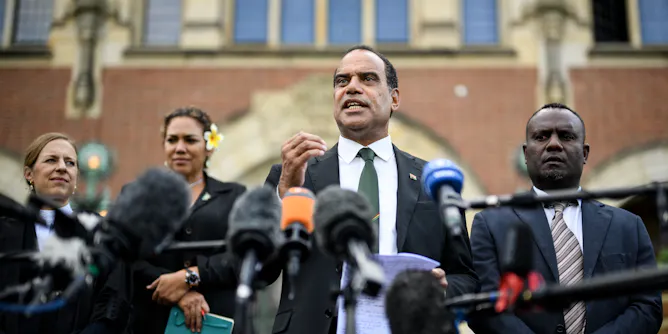
The ruling stems from the harm island nations are suffering as sea level rises, and it opens a door for future claims for reparations. But getting to that point isn’t so simple.
Articles on Small Island States
Displaying all articles
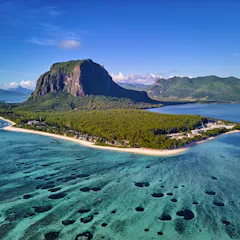
Global warming and droughts have caused Mauritius to run low on water. It needs hundreds of millions of dollars to build new reservoirs.
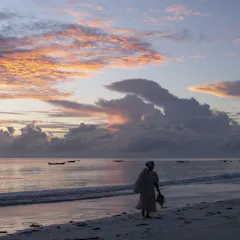
Pacific island states have united, declaring climate change the single greatest threat to their security. African island states can adopt a similar approach.
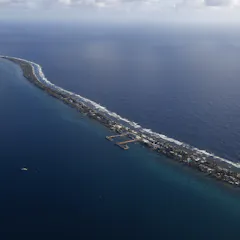
Fossil fuel exports are important to Australia. Now its neighbours are asking it to stop.

Societal collapse is a complex phenomemon tied to the abilities of a society to meet its population’s basic needs. Understanding past examples of collapse can provide valuable insights.
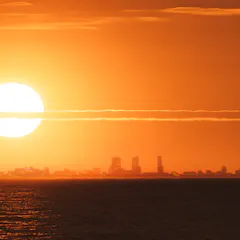
The big question: Would climate engineering like sending reflective particles into the stratosphere or brightening clouds help reduce the national security risks of climate change or make them worse?
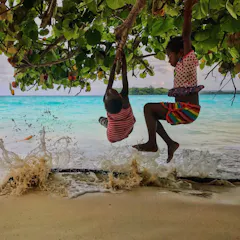
From a ‘litany of loopholes’ to a lopsided deal on loss and damage.
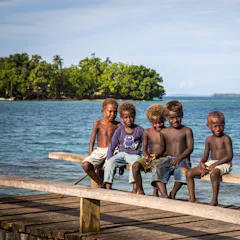
Small island developing states are seeking a legal ‘advisory opinion’ from an international tribunal on whether climate change falls under the international law of the sea.
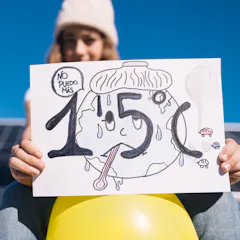
There is no safe limit to global warming – there is only what people deem to be acceptable damage.
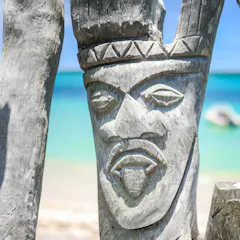
Thanks to Vanuatu, a vote at the next UN General Assembly could open the floodgates to international climate litigation.
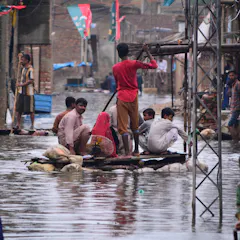
That’s the big question at the upcoming UN Climate Change Conference, known as COP27, and it’s controversial.

Many small island nations are struggling to protect their land from rising seas while also facing paralyzing debt.
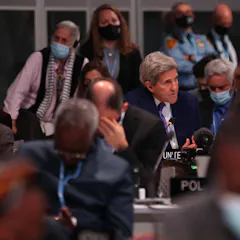
The world promised progress at the Glasgow climate conference. Now it has to turn those promises into reality. A former senior UN official describes what to watch for in the coming year.

Climate change is a true existential threat for small island nations, but the US has done little to help the Marshall Islands, which it administered for decades.
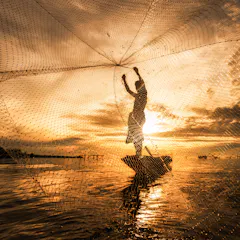
International law does not meaningfully address biodiversity conservation in the high seas. We risk losing marine species before we have a chance to identify and understand them.

Although climate change threatens the world’s small island nations, many can find ways to adapt and preserve their homes and cultures – especially if wealthy countries cut emissions and provide support.

Due to rising sea levels, low-lying island nations are in immediate danger. If drastic measures are taken, this disastrous trend can be transformed into an opportunity for sustainable development.
The UN Ocean Conference provides a golden opportunity for countries to present their aspirations for sustainably growing their ‘blue’ economies.
Top contributors
-

Research Fellow in Climate Policy, The Fletcher School, Tufts University
-
Postdoctoral Research Associate, Institute on the Environment, University of Minnesota
-
Director of CORDIO in East Africa and Adjunct Fellow, Pwani University
-
Chief Scientific Advisor, Notre Dame Global Adaptation Initiative, University of Notre Dame
-
Professor of Ecology, Evolution, and Behavior; Director, Institute on the Environment, University of Minnesota
-
Senior Fellow in Science, Technology & Economics at RSIS, Nanyang Technological University
-
Visiting Research Fellow, Copernicus Institute of Sustainable Development, Utrecht University
-
Postdoctoral Scholar, University of California, Santa Barbara
-
Junior Research Fellow in Climate Policy, The Fletcher School, Tufts University
-
Assistant Professor of Earth and Atmospheric Sciences, Indiana University
-
Professor of Physical Climate Change; Director of the Priestley Centre for Climate Futures, University of Leeds
-
Assistant Professor, The University of Southern Mississippi
-
Associate Professor of Geography, University of Guelph
-
Associate Professor, Department of Geography, Environment and Geomatics, University of Guelph
-
Associate Research Fellow in RSIS, Nanyang Technological University